The Rise of Professional Gamers: From Hobby to Global Career
Gaming was once seen as just a pastime—a way to relax after school or work. Today, it has evolved into a full-fledged profession. Professional gamers compete in global tournaments, earn sponsorships, and build massive online audiences. What used to be a hobby is now a billion-dollar industry.
So how did gaming turn into a legitimate career path? Let’s break it down.
What Is a Professional Gamer?
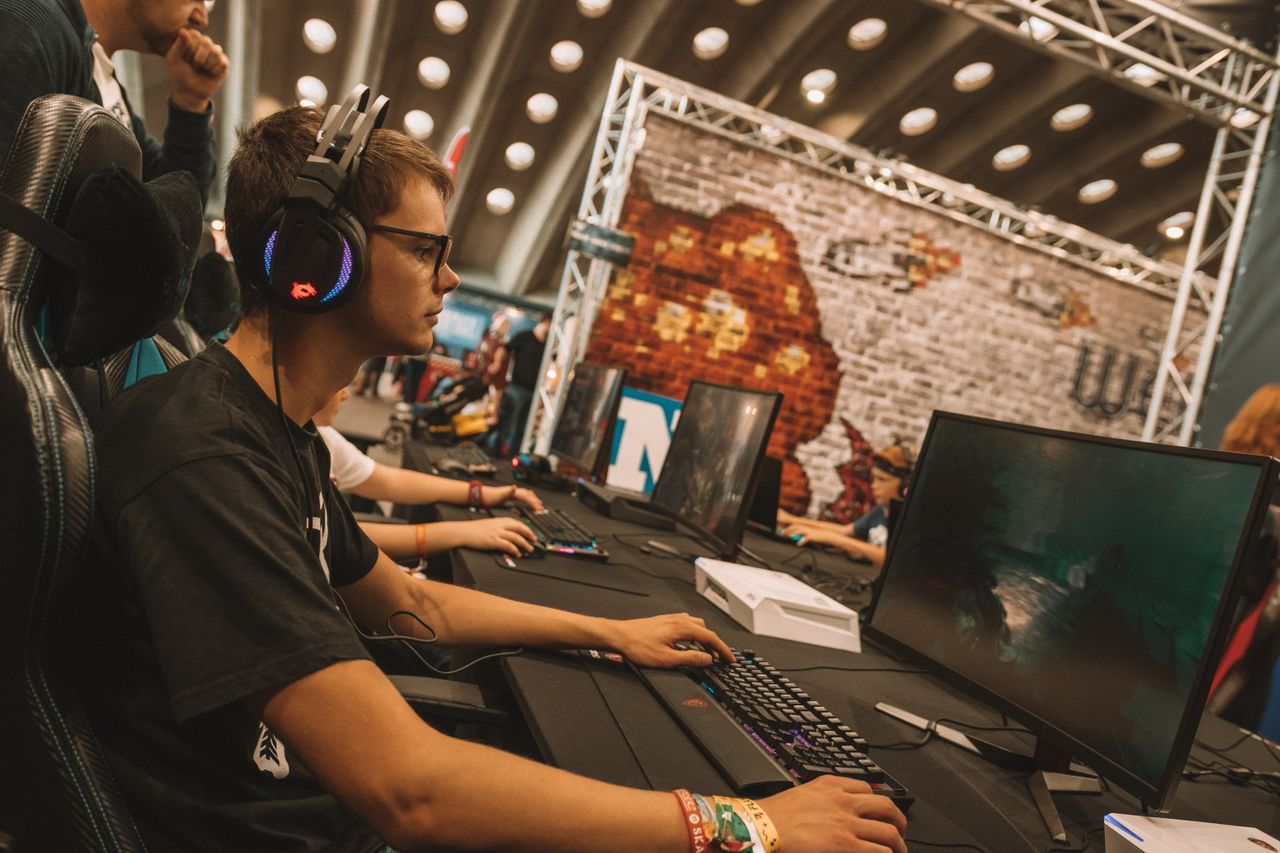
A professional gamer is someone who plays video games at a competitive level for income.
They earn money through:
- Tournament winnings
- Team salaries
- Sponsorship deals
- Streaming platforms
- Brand partnerships
Think of them as modern athletes—but instead of physical stadiums, they compete in digital arenas.
The Growth of Esports
Esports (electronic sports) is the foundation of professional gaming.
It has grown rapidly due to:
- Online multiplayer games
- Global tournaments
- Streaming platforms like Twitch and YouTube
- Massive audience engagement
Today, esports events fill stadiums and attract millions of online viewers.
Table: Traditional Sports vs Esports
|
Feature |
Traditional Sports |
Esports |
|
Playing field |
Physical arena |
Virtual environment |
|
Training |
Physical fitness |
Reflex & strategy training |
|
Audience |
Stadium viewers |
Online global viewers |
|
Equipment |
Physical gear |
Gaming hardware/software |
|
Career path |
Long-established |
Rapidly growing |
Skills Required to Become a Pro Gamer
Professional gaming requires much more than fast reflexes.
Key skills include:
- Hand-eye coordination
- Strategic thinking
- Team communication
- Quick decision-making
- Mental endurance
Just like athletes train their bodies, gamers train their minds and reflexes.
The Role of Streaming in Gaming Careers
Streaming platforms have changed the gaming landscape.
Professional gamers can:
- Broadcast gameplay live
- Build global fan communities
- Earn income through donations and subscriptions
- Gain sponsorship opportunities
Streaming allows gamers to turn their personality into a brand.
Table: Income Sources for Professional Gamers
|
Source |
Description |
|
Tournament winnings |
Prize money from competitions |
|
Sponsorships |
Brand partnerships |
|
Streaming |
Live audience revenue |
|
Team salary |
Contracted esports players |
|
Content creation |
YouTube and social media |
Training Like an Athlete
Professional gamers follow strict routines.
Their training may include:
- Hours of daily gameplay practice
- Strategy analysis and replays
- Team coordination sessions
- Reaction time exercises
- Mental health and focus training
Top players treat gaming like a job—not just entertainment.
The Role of Esports Teams
Just like traditional sports, esports has professional teams.
These teams provide:
- Coaching staff
- Training facilities
- Financial support
- Structured practice schedules
- Performance analysis tools
Teams help players focus entirely on improving performance.
Global Tournaments and Competitions
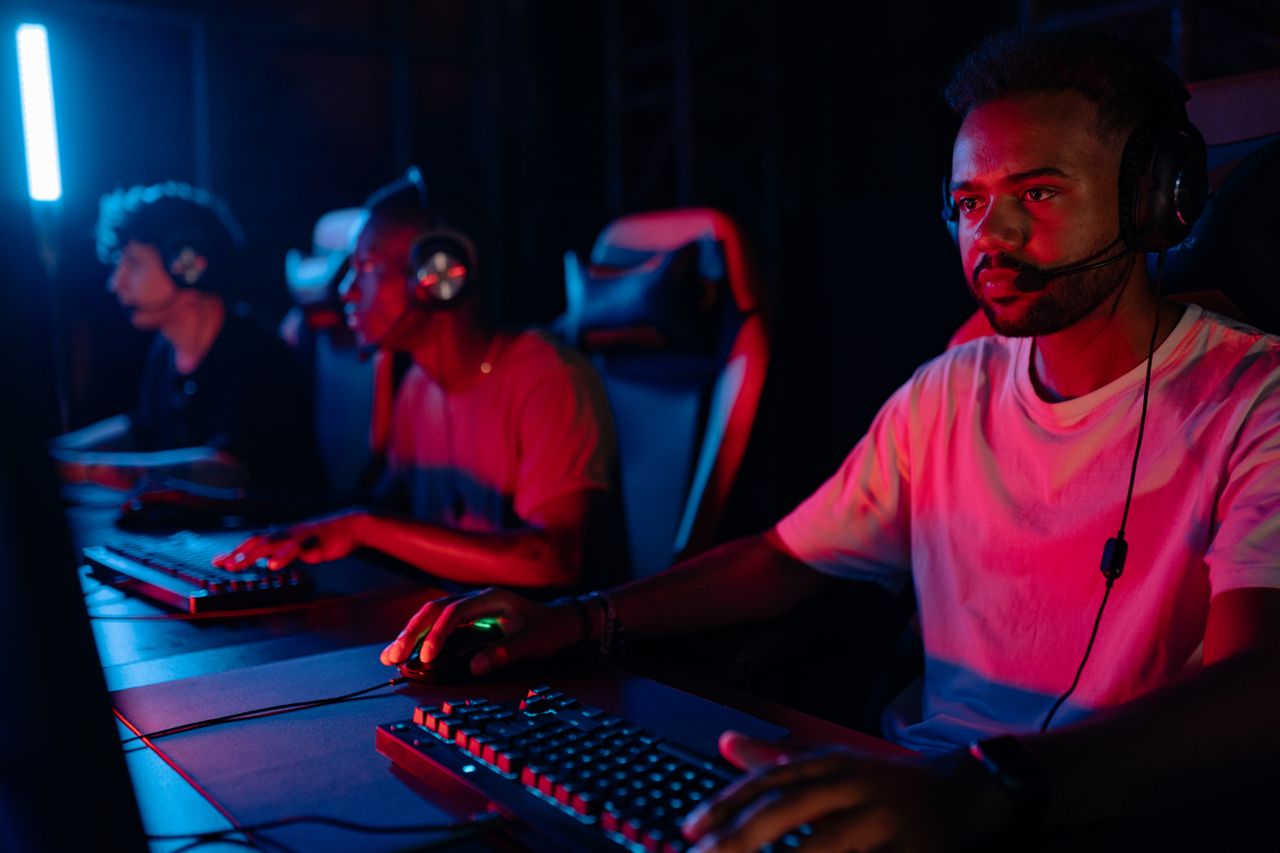
Esports tournaments are now major international events.
They feature:
- Huge prize pools (millions of dollars)
- Global participation
- Live audiences in stadiums
- Millions of online viewers
Games like League of Legends, Dota 2, and Counter-Strike are at the center of this competitive world.
The Business Side of Gaming
Professional gaming is not just about playing—it’s also a business.
Players often:
- Negotiate contracts
- Manage personal brands
- Work with sponsors
- Engage with fans on social media
Success depends on both skill and marketability.
The Rise of Gaming Influencers
Many gamers expand beyond competition into content creation.
They become:
- YouTube creators
- Twitch streamers
- Social media influencers
This allows them to build long-term careers even after competitive gaming.
Education and Career Opportunities in Esports
The rise of gaming has created new career paths, such as:
- Game coaching
- Event management
- Esports journalism
- Game analysis
- Marketing and sponsorship roles
Gaming is now part of a broader digital ecosystem.
The Future of Professional Gaming
The future of esports and professional gaming looks promising.
Expected trends include:
- Larger global tournaments
- VR and AR competitive gaming
- AI-assisted training tools
- University esports scholarships
- Greater mainstream recognition
Gaming is becoming as respected as traditional sports in many regions.
Conclusion
The rise of professional gamers shows how digital entertainment has transformed into a legitimate global career. What once was a hobby is now a competitive, structured, and highly lucrative industry.
With esports growing rapidly, professional gaming is no longer the future—it is the present. For skilled and dedicated players, the digital arena offers real opportunities, real careers, and real success.
FAQ: The Rise of Professional Gamers
Yes, many people now work full-time as professional gamers or related esports professionals.


Was This Article Helpful?
Click on a star to rate it!
Thank you for your vote!

Average Rating: 0/5 Votes: 0
Be the first to rate this post!

Tech entrepreneur & digital strategist with over 9 years of experience in backend development and more than 5 years in executive leadership. Education Software and Web developer. More than 20 years of experience in software and web development.
View LinkedIn ProfileLatest Posts

Travel Photography Tips for Stunning Memories
The Rise of Cross-Platform Gaming
Esports Arenas and the Future of Competitive Gaming