The Role of Art Festivals in Local Economies: Creativity That Drives Growth
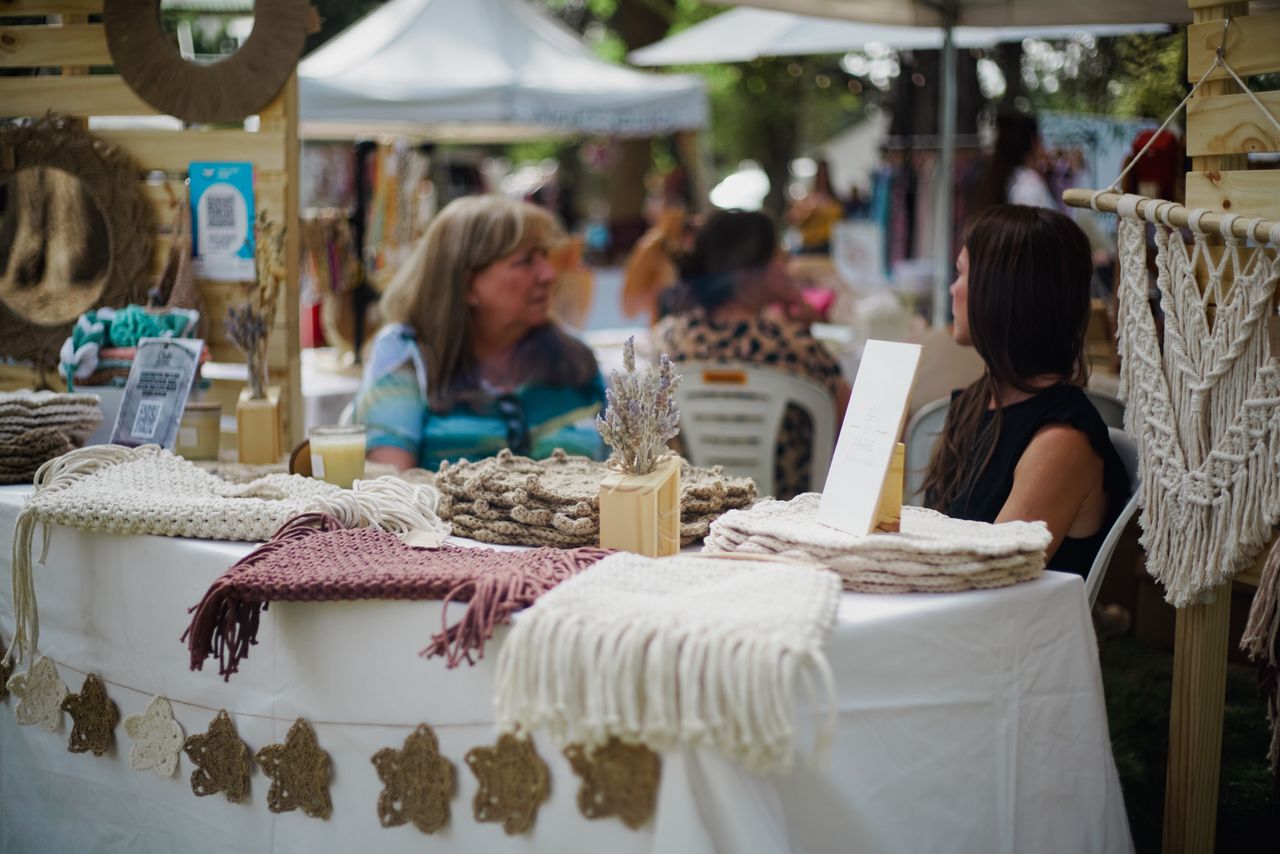
Art festivals are more than colorful celebrations of creativity—they are powerful economic engines for local communities. From small towns to major cities, these events attract visitors, support local businesses, and create opportunities for artists and entrepreneurs.
When people gather to enjoy music, painting, sculpture, theater, or street performances, they also spend money, share experiences, and boost the local economy in ways that last far beyond the festival itself.
Let’s explore how art festivals impact local economies.
What Are Art Festivals?
Art festivals are organized events that celebrate different forms of art, such as:
- Visual arts (painting, sculpture, photography)
- Performing arts (music, dance, theater)
- Street art and installations
- Film and digital media
They can last a single day or several weeks and often take place in public spaces, galleries, or dedicated venues.
Think of them as cultural marketplaces where creativity and community meet.
Boosting Tourism and Visitor Spending
One of the biggest economic benefits of art festivals is tourism.
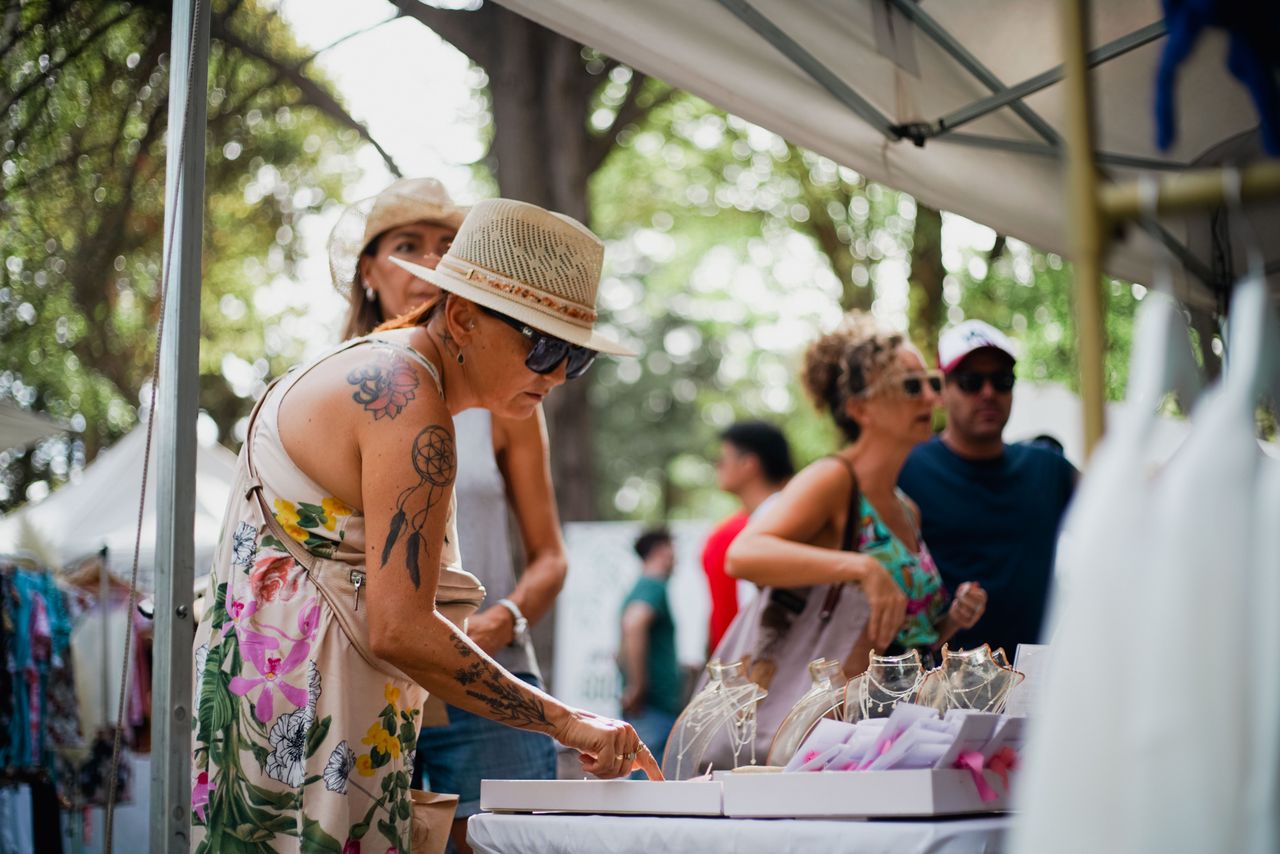
Visitors often travel specifically to attend these events, spending money on:
- Hotels and accommodation
- Restaurants and cafes
- Transportation
- Local attractions and shops
Even small festivals can turn quiet towns into busy tourist destinations.
Table: Economic Impact of Art Festivals
|
Category |
Local Benefit |
|
Tourism |
Increased visitor spending |
|
Employment |
Temporary and permanent jobs |
|
Small businesses |
Higher sales during events |
|
Artists |
Income and exposure |
|
City revenue |
Taxes and permits |
Supporting Local Businesses
Art festivals bring large crowds, which directly benefits local businesses.
Shops, food vendors, and service providers often experience:
- Higher customer traffic
- Increased sales
- New long-term customers
- Opportunities for brand exposure
For many small businesses, festivals can generate a significant portion of their yearly income.
Creating Jobs and Opportunities
Art festivals also generate employment, both directly and indirectly.
They create jobs such as:
- Event organizers and coordinators
- Security and logistics staff
- Stage and technical crews
- Food vendors and hospitality workers
- Artists and performers
These opportunities support both skilled professionals and part-time workers.
Promoting Local Artists and Talent
One of the most important cultural impacts is giving artists a platform.
Festivals help artists:
- Showcase their work to large audiences
- Sell artwork or performances
- Build professional networks
- Gain recognition and future opportunities
For many emerging artists, festivals are a launching point for their careers.
Table: Short-Term vs Long-Term Economic Effects
|
Impact Type |
Description |
|
Short-term |
Immediate spending during the event |
|
Long-term |
Tourism growth and brand recognition |
|
Cultural |
Stronger community identity |
|
Business |
Repeat customers and partnerships |
Strengthening Community Identity
Art festivals also play a social and cultural role.
They:
- Bring communities together
- Celebrate local traditions and heritage
- Encourage cultural exchange
- Build pride in local identity
A strong cultural identity often makes a city more attractive to visitors and investors.
Encouraging Urban Development
In many cities, art festivals lead to long-term improvements in infrastructure.
Local governments may invest in:
- Public spaces and parks
- Transportation systems
- Cultural venues
- Tourism facilities
This development benefits residents long after the festival ends.
Increasing Seasonal Economic Activity
Some regions depend heavily on seasonal festivals to boost their economies.
During festival periods:
- Hotels reach full capacity
- Restaurants see higher demand
- Retail sales increase significantly
- Local transportation services expand operations
This seasonal boost can stabilize income for many businesses.
Challenges of Art Festivals
Despite their benefits, art festivals also come with challenges:
- High organization and setup costs
- Traffic and crowd management issues
- Environmental impact from large gatherings
- Dependence on weather conditions (for outdoor events)
- Temporary nature of economic benefits
Proper planning is needed to maximize positive impact.
Digital Promotion and Global Reach
Social media and digital marketing have expanded the reach of art festivals.
Now festivals can:
- Attract international audiences
- Promote artists globally
- Sell tickets online
- Stream performances digitally
This increases both attendance and economic impact.
The Future of Art Festivals
Art festivals are evolving with technology and creativity.
Future trends include:
- Hybrid physical and virtual festivals
- AI-enhanced art installations
- Eco-friendly and sustainable events
- Interactive digital art experiences
- Greater global collaboration among artists
These changes will make festivals more accessible and economically powerful.
Conclusion
Art festivals play a vital role in strengthening local economies by boosting tourism, supporting businesses, creating jobs, and promoting cultural identity. They transform cities into vibrant cultural hubs where creativity and commerce meet.
While they require investment and careful planning, their economic and social benefits often extend far beyond the event itself. In many ways, art festivals are not just celebrations—they are catalysts for growth.
FAQ: The Role of Art Festivals in Local Economies
High costs, crowd management, and environmental concerns are common challenges.


Was This Article Helpful?
Click on a star to rate it!
Thank you for your vote!

Average Rating: 0/5 Votes: 0
Be the first to rate this post!

Tech entrepreneur & digital strategist with over 9 years of experience in backend development and more than 5 years in executive leadership. Education Software and Web developer. More than 20 years of experience in software and web development.
View LinkedIn ProfileLatest Posts
Conflict Resolution in Relationships
How to Develop a Growth Mindset

How Diet Affects Energy Levels