Music and Dance Festivals Around the World: Celebrating Culture Through Rhythm
Music and dance have always been powerful ways for people to connect, celebrate, and express their identity. Across the globe, festivals bring together thousands or even millions of people to enjoy performances, discover new cultures, and create unforgettable memories.
From traditional cultural celebrations to massive modern music events, music and dance festivals around the world showcase the creativity, history, and diversity of communities. But what makes these festivals so special, and why do people travel across continents to experience them?
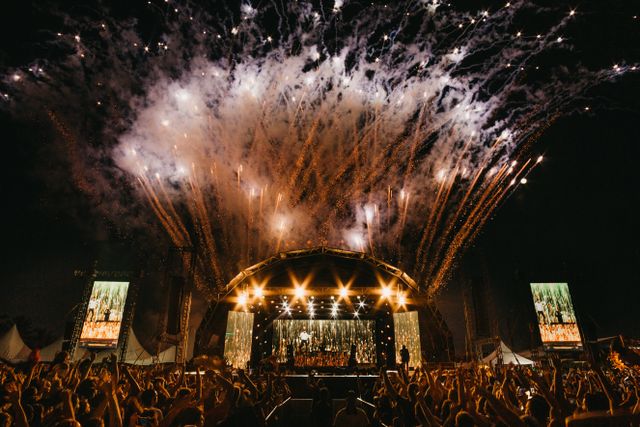
Why Music and Dance Festivals Matter
Music and dance festivals are more than entertainment events. They are cultural experiences where people share traditions, emotions, and stories through movement and sound.
These festivals can help:
- Preserve cultural heritage
- Bring communities together
- Support artists and performers
- Encourage tourism
- Create international connections
A festival is like a universal language. Even when people speak different languages, a rhythm or melody can create an instant connection.
Traditional Festivals That Celebrate Culture
Many of the world’s oldest festivals are deeply connected to local history and traditions. They often combine music, dance, costumes, and rituals that have been passed down through generations.
Examples include:
- Folk dance celebrations
- Traditional music gatherings
- Religious cultural festivals
- Community celebrations
These events allow visitors to experience authentic customs and understand the values of different societies.
Famous Music Festivals Across the Globe
Modern music festivals attract audiences from around the world with diverse performances, creative experiences, and unique atmospheres.
|
Festival Type |
Main Feature |
Cultural Impact |
|
Electronic Music Festivals |
DJs, light shows, large stages |
Creates global music communities |
|
Folk Festivals |
Traditional songs and dances |
Preserves cultural heritage |
|
Jazz Festivals |
Live improvisation and performances |
Celebrates musical creativity |
|
Rock Festivals |
Large concerts and famous bands |
Connects international fans |
|
Dance Festivals |
Choreography and movement performances |
Highlights artistic expression |
Each festival has its own personality, attracting people who share a passion for music and culture.
Global Events That Attract Millions
Some festivals have become internationally recognized destinations.
Carnival Celebrations
Carnivals around the world combine music, dancing, costumes, and street performances. These celebrations often represent local history and cultural identity.
They create a space where communities can express creativity and celebrate together.
Electronic Music Festivals
Electronic music festivals are known for immersive stage designs, visual effects, and international performers. They create unique environments where music, technology, and art come together.
Cultural Dance Festivals
Traditional dance festivals showcase the history and storytelling of communities. Performers use movement, costumes, and music to share cultural traditions with audiences.
How Festivals Support Local Communities
Large festivals can have a significant impact on local economies and communities.
Benefits include:
- Increased tourism
- New business opportunities
- Support for local artists
- Job creation
- Cultural exchange
Hotels, restaurants, transportation services, and local shops often benefit when visitors arrive for major events.
The Role of Technology in Modern Festivals
Technology has transformed how people experience festivals. Today’s events combine live performances with advanced digital tools.
Modern festival experiences may include:
- Virtual performances
- Interactive lighting systems
- Mobile event apps
- Cashless payments
- Livestreaming
These innovations allow festivals to reach audiences beyond the physical location.
Sustainable Festival Movements
As festivals grow, organizers are paying more attention to environmental responsibility.
Many events now focus on:
- Reducing waste
- Using renewable energy
- Encouraging public transportation
- Recycling programs
- Protecting natural spaces
Sustainable practices help ensure that future generations can continue enjoying these celebrations.
The Emotional Power of Festivals
One reason people love festivals is the sense of connection they create. Thousands of strangers can sing, dance, and celebrate together in a shared moment.
Festivals provide:
- A feeling of belonging
- Opportunities for self-expression
- New friendships
- Memorable experiences
For many people, attending a festival becomes more than a trip—it becomes a meaningful life experience.
The Future of Music and Dance Festivals
The future of festivals will likely combine tradition with innovation. Organizers are exploring new ways to create immersive experiences while protecting cultural and environmental values.
Future trends may include:
- More interactive performances
- Hybrid online and offline events
- Greater sustainability
- New forms of artistic collaboration
- More diverse global participation
As music and dance continue evolving, festivals will remain important spaces for creativity and connection.
Conclusion
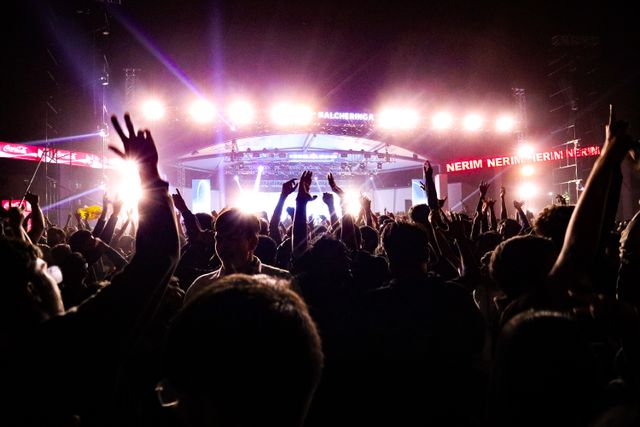
Music and dance festivals around the world celebrate the diversity of human expression. They bring people together through rhythm, movement, and shared experiences while preserving traditions and supporting creative communities.
Whether it is a traditional cultural celebration or a modern international music event, every festival tells a story. These gatherings remind us that music and dance have the power to connect people across borders, languages, and generations.
Frequently Asked Questions
Technology improves festival experiences through virtual events, interactive displays, mobile apps, digital payments, and livestreaming.


Was This Article Helpful?
Click on a star to rate it!
Thank you for your vote!

Average Rating: 0/5 Votes: 0
Be the first to rate this post!

Tech entrepreneur & digital strategist with over 9 years of experience in backend development and more than 5 years in executive leadership. Education Software and Web developer. More than 20 years of experience in software and web development.
View LinkedIn ProfileLatest Posts

How Individuals Can Support Animal Protection: Simple Actions That Create Change

The Role of Consumers in Sustainability: How Everyday Choices Can Create Change
Human Rights Challenges in Conflict Zones: Protecting People During Crisis