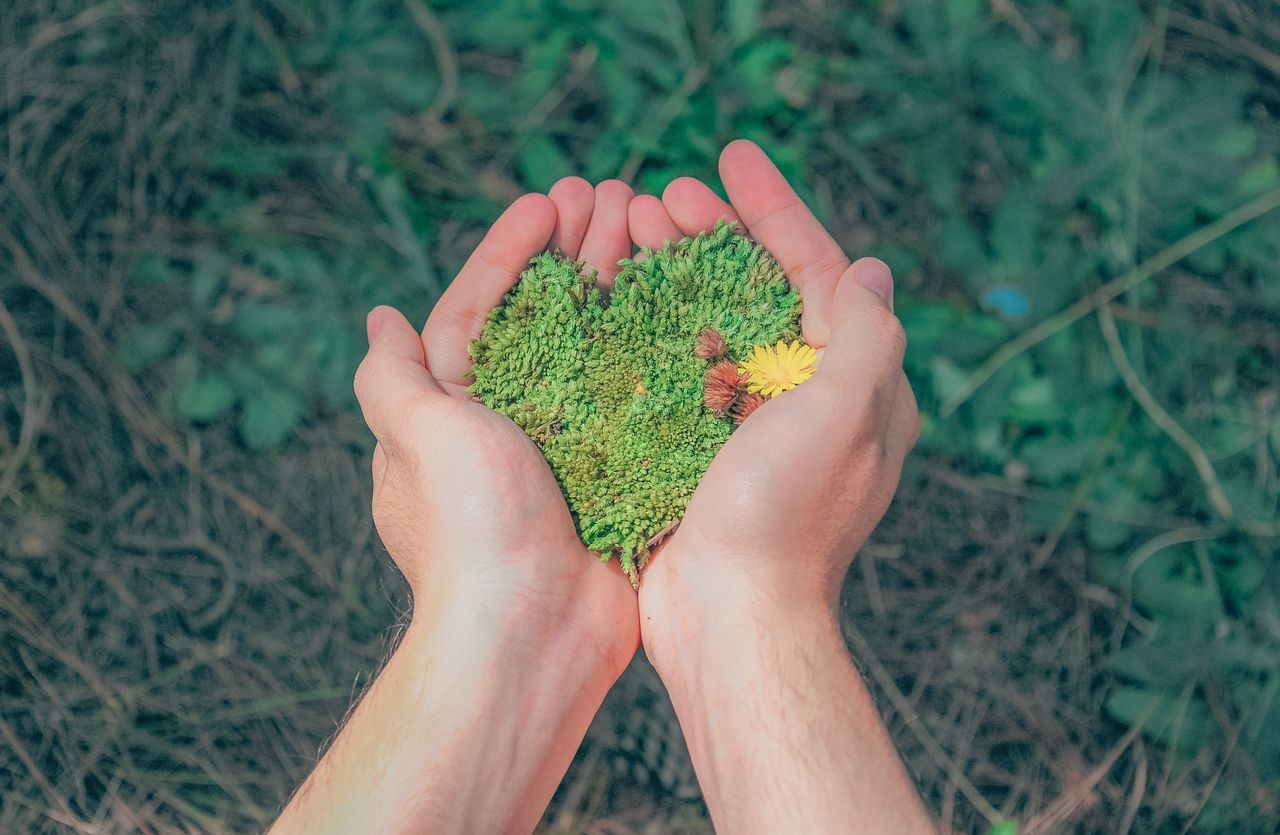
How Cultural Events Strengthen Communities
Cultural events are more than just festivals, concerts, or local celebrations—they’re moments where people come together and feel part of something bigger than themselves. Whether it’s a food fair, traditional holiday, music festival, or art exhibition, these events quietly build stronger, more connected communities.
So how exactly do they do that? Let’s break it down.
Bringing People Together Through Shared Experiences
At the heart of every cultural event is one simple idea: shared experience.
When people attend the same event, they:
- Laugh at the same performances
- Taste the same food
- Enjoy the same music or traditions
- Create memories together
These shared moments help break down barriers between strangers. Suddenly, people who might never interact in daily life are standing side by side, enjoying the same experience.
It’s like a social bridge built out of celebration.
Celebrating Identity and Tradition
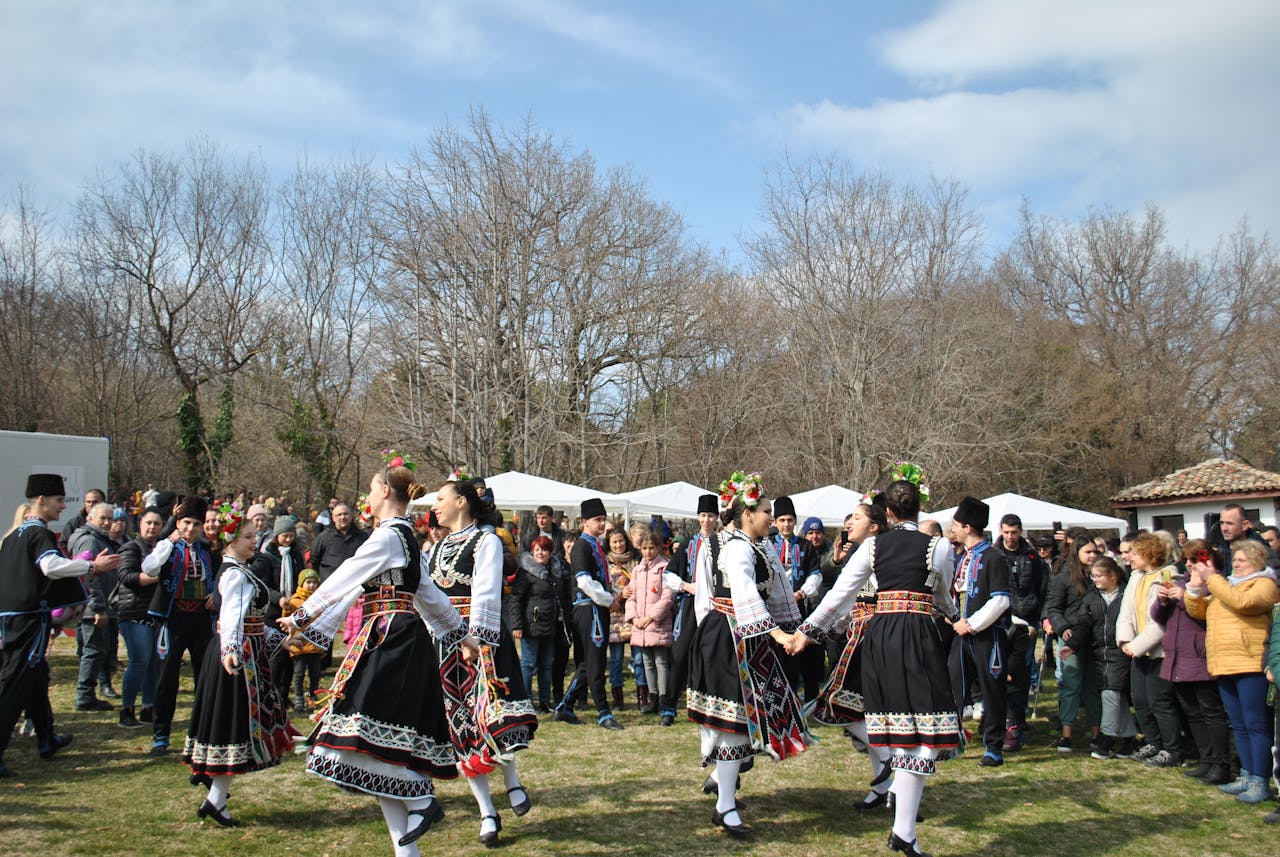
Cultural events play a big role in preserving identity. They keep traditions alive and pass them to new generations.
For example, local festivals or national holidays often include:
- Traditional dances
- Regional clothing
- Folk music and storytelling
- Historical reenactments
These elements remind communities of where they come from. They help people feel rooted in something meaningful, especially in a fast-changing world.
Without these events, many cultural traditions could slowly fade away.
Strengthening Social Bonds
One of the most powerful effects of cultural events is how they strengthen relationships between people.
When communities gather regularly, they:
- Build trust
- Form friendships
- Improve communication
- Reduce social isolation
Even simple interactions—like sharing food or watching a performance together—help people feel more connected.
Think of it like stitching small threads into a stronger social fabric.
Boosting Local Economies
Cultural events don’t just benefit emotions—they also support local businesses.
During events, communities often see:
- Increased tourism
- Higher sales for local shops
- Opportunities for small vendors
- Job creation for event staff
Food stalls, artisans, performers, and transport services all benefit from the increased activity.
It’s a win-win: people enjoy the event, and the local economy grows.
Table: Social vs Economic Benefits of Cultural Events
|
Area |
Benefit |
|
Social connection |
Builds stronger relationships between residents |
|
Cultural identity |
Preserves traditions and heritage |
|
Mental well-being |
Reduces loneliness and increases happiness |
|
Local economy |
Supports businesses and tourism |
|
Community pride |
Strengthens sense of belonging |
Encouraging Diversity and Inclusion
Cultural events often bring together people from different backgrounds. This creates opportunities for understanding and respect.
Through events, communities can:
- Learn about different cultures
- Experience new traditions
- Break stereotypes
- Encourage inclusivity
It’s like opening a window into someone else’s world—without leaving your own city.
Improving Mental and Emotional Well-Being
Being part of a cultural celebration can have a real impact on mental health.
People often feel:
- Happier in social environments
- Less stressed during festive gatherings
- More connected to their community
- Inspired by art and performances
Human beings are social by nature, and cultural events help fulfill that need for connection and joy.
Creating a Sense of Belonging
One of the strongest effects of cultural events is belonging.
When people participate in shared traditions, they feel:
- Accepted
- Included
- Valued
- Part of something meaningful
This is especially important in large cities, where people can sometimes feel isolated despite being surrounded by millions.
A festival or event can turn a crowd into a community.
Challenges in Organizing Cultural Events
While cultural events bring many benefits, they also come with challenges:
- Funding and sponsorship limitations
- Logistical planning and coordination
- Environmental impact from large gatherings
- Ensuring accessibility for everyone
- Balancing tradition with modern expectations
Despite these challenges, the long-term benefits often outweigh the difficulties.
The Future of Cultural Events
Cultural events are evolving with technology and changing lifestyles.
We now see:
- Virtual festivals and online concerts
- Hybrid events (in-person + digital)
- Social media-driven cultural celebrations
- More inclusive and global participation
Even as formats change, the purpose remains the same: bringing people together.
Conclusion
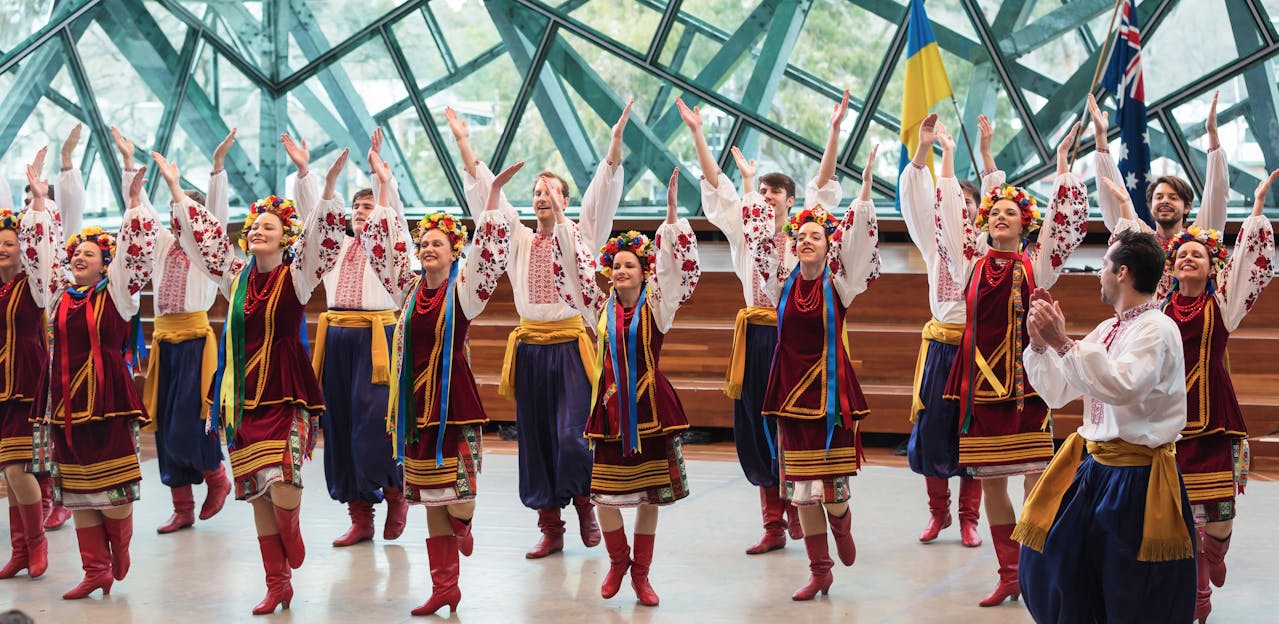
Cultural events are powerful tools for strengthening communities. They bring people together, preserve traditions, boost local economies, and create a sense of belonging that is hard to replicate anywhere else.
In a world that often feels fast and disconnected, these events remind us of something simple but important: we are stronger when we come together.
FAQ: How Cultural Events Strengthen Communities
Yes, they reduce loneliness, increase happiness, and promote a sense of belonging.


Was This Article Helpful?
Click on a star to rate it!
Thank you for your vote!

Average Rating: 5/5 Votes: 1
Be the first to rate this post!

Latest Posts
How Individuals Can Support Animal Protection: Simple Actions That Create Change

The Role of Consumers in Sustainability: How Everyday Choices Can Create Change
Human Rights Challenges in Conflict Zones: Protecting People During Crisis