Article Plan
- The Connection Between Sports and Leadership
- Developing Communication Skills
- Learning Responsibility
- Building Confidence
- Teaching Teamwork and Cooperation
- Improving Decision-Making Skills
- Developing Resilience Through Challenges
- Understanding the Value of Fairness and Respect
- Learning From Coaches and Mentors
- Encouraging Peer Leadership
- Developing Goal-Setting Habits
- The Role of Parents in Supporting Leadership Development
- Challenges in Youth Sports
- Leadership Lessons Beyond the Field
- Conclusion
- Frequently Asked Questions
How Youth Sports Shape Leadership Skills: Building Confidence and Team Abilities
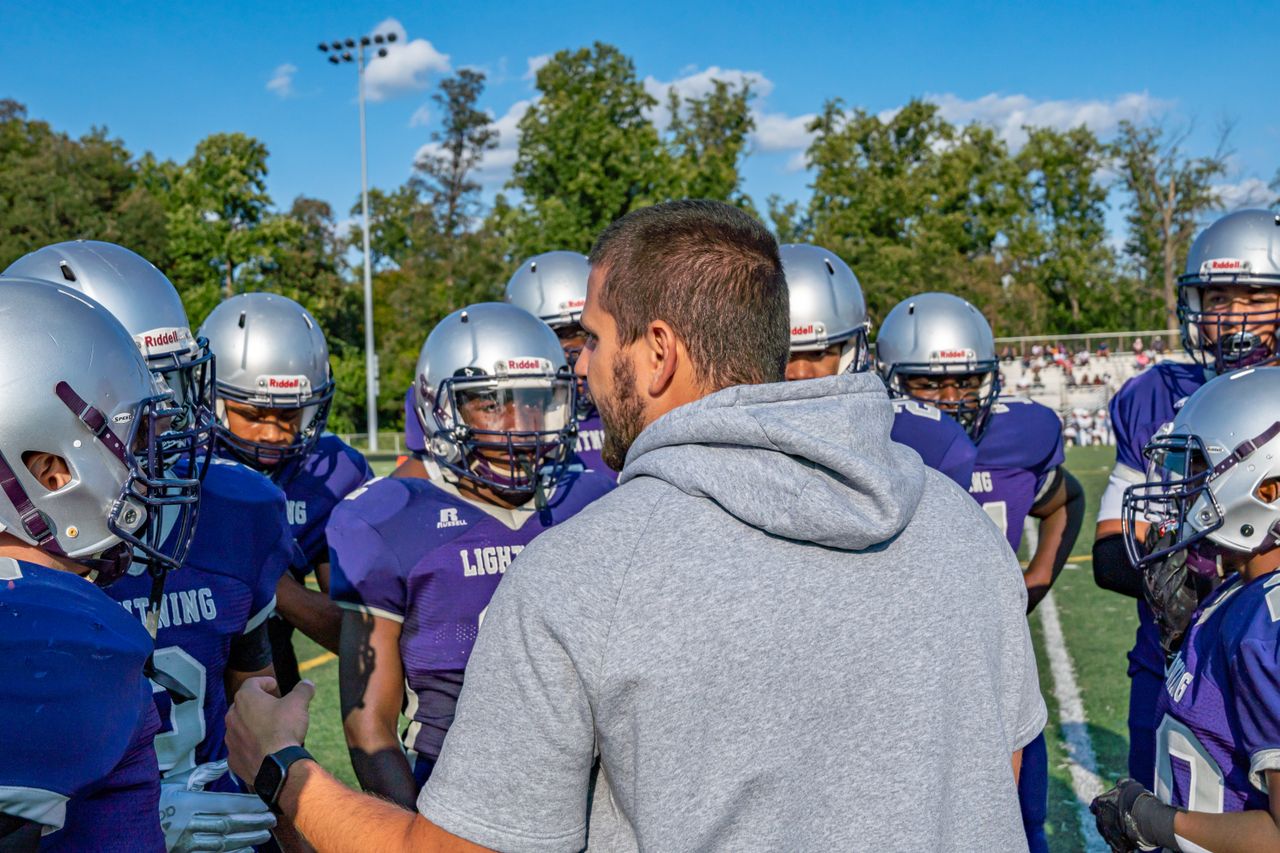
Youth sports provide more than physical activity and competition. They create valuable opportunities for young people to develop leadership skills, learn responsibility, and build confidence. Through practices, games, and teamwork, young athletes gain experiences that can influence their personal, academic, and professional lives.
Leadership in youth sports is not only about being a team captain or the best player. It involves communication, decision-making, cooperation, and the ability to support others.
The Connection Between Sports and Leadership
Sports environments naturally require young people to work toward shared goals. Athletes learn that success often depends on cooperation, discipline, and trust.
Youth sports help develop leadership through:
- Team collaboration
- Problem-solving
- Communication
- Responsibility
- Resilience
These skills can transfer to school, careers, and everyday relationships.
Developing Communication Skills
Effective leaders know how to communicate clearly and respectfully.
Youth athletes practice communication by:
- Sharing strategies with teammates
- Encouraging others
- Listening to coaches
- Giving and receiving feedback
Good communication helps teams function effectively and teaches young people how to express ideas confidently.
Learning Responsibility
Sports teach young athletes that their actions affect others.
Responsibility can involve:
- Attending practices
- Preparing equipment
- Following team rules
- Supporting teammates
- Maintaining commitment
Taking responsibility builds reliability, an important leadership quality.
Building Confidence
Confidence is a key part of leadership.
Sports help young people develop confidence by allowing them to:
- Improve skills through practice
- Overcome challenges
- Experience achievement
- Learn from mistakes
Confident athletes are often more willing to take initiative and help others.
|
Leadership Skill |
How Youth Sports Develop It |
Real-Life Benefit |
|
Communication |
Team discussions and feedback |
Stronger relationships |
|
Responsibility |
Commitment to practices and goals |
Greater reliability |
|
Decision-making |
Making choices during competition |
Better problem-solving |
|
Resilience |
Recovering from losses |
Ability to handle challenges |
|
Teamwork |
Working toward shared goals |
Improved cooperation |
Teaching Teamwork and Cooperation
Leadership is not only about individual success. Strong leaders understand how to bring people together.
Through sports, young people learn:
- How to respect different abilities
- How to contribute to a group
- How to support teammates
- How to work toward common goals
These experiences teach that leadership involves helping others succeed.
Improving Decision-Making Skills
Many sports require quick thinking and problem-solving.
Athletes learn to:
- Evaluate situations
- Make decisions under pressure
- Adapt strategies
- Learn from outcomes
These skills help young people become more confident decision-makers.
Developing Resilience Through Challenges
Losses, mistakes, and difficult competitions are part of sports.
Young athletes learn resilience by:
- Recovering after setbacks
- Practicing persistence
- Accepting constructive criticism
- Continuing to improve
Resilience helps future leaders handle uncertainty and challenges.
Understanding the Value of Fairness and Respect
Sports teach important leadership values, including:
- Respect for opponents
- Following rules
- Accepting different perspectives
- Showing good sportsmanship
Ethical behavior is a foundation of effective leadership.
Learning From Coaches and Mentors
Coaches often serve as important role models.
Positive coaching can help athletes develop:
- Self-discipline
- Goal-setting skills
- Confidence
- Accountability
A supportive coach can influence how young people understand leadership and teamwork.
Encouraging Peer Leadership
Youth sports allow athletes to practice leadership among their peers.
Examples include:
- Helping newer teammates
- Motivating others
- Taking initiative during activities
- Setting a positive example
Peer leadership teaches young people that leadership can come from anyone.
Developing Goal-Setting Habits
Successful athletes often set goals to improve performance.
Goal-setting teaches:
- Planning
- Focus
- Measuring progress
- Commitment
These habits are useful in education, careers, and personal development.
The Role of Parents in Supporting Leadership Development
Parents can encourage leadership growth by:
- Focusing on effort rather than only winning
- Supporting teamwork
- Encouraging responsibility
- Allowing children to solve problems independently
A balanced approach helps young athletes develop confidence without unnecessary pressure.
Challenges in Youth Sports
While sports can build leadership skills, challenges may occur, such as:
- Excessive focus on competition
- Pressure to perform
- Lack of equal opportunities
- Negative team environments
Healthy sports programs prioritize growth, respect, and personal development.
Leadership Lessons Beyond the Field
The skills learned through youth sports can apply to many areas of life.
Former young athletes may use these skills in:
- Academic teamwork
- Workplace collaboration
- Community activities
- Personal relationships
Sports provide a practical environment for practicing leadership behaviors.
Conclusion
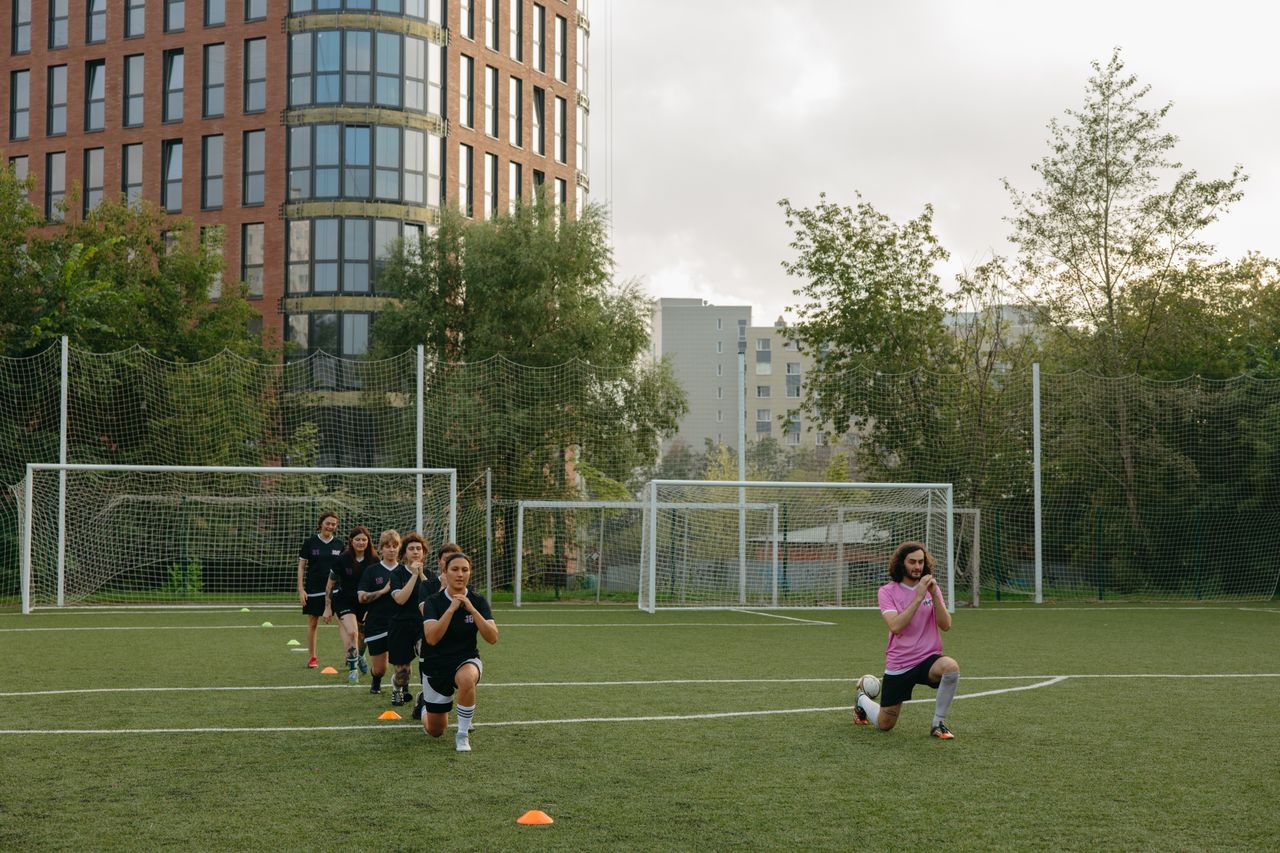
Youth sports play an important role in shaping future leaders by teaching communication, responsibility, teamwork, confidence, and resilience. Through both successes and challenges, young athletes learn how to work with others, make decisions, and support their communities.
The greatest leadership lessons in sports often come not from winning games, but from learning how to grow, contribute, and help others succeed.
Frequently Asked Questions
Parents can encourage effort, teamwork, independence, and learning from both victories and setbacks.


Was This Article Helpful?
Click on a star to rate it!
Thank you for your vote!

Average Rating: 0/5 Votes: 0
Be the first to rate this post!

Proficient background in project planning, execution, and continuous improvement. Experienced in analyzing ideas and forecasting project success, defining requirements and timelines, and managing communication across cross-functional teams. Skilled in creating and maintaining project documentation, automating processes, and making data-driven decisions in critical situations.
View LinkedIn ProfileLatest Posts
How Individuals Can Support Animal Protection: Simple Actions That Create Change

The Role of Consumers in Sustainability: How Everyday Choices Can Create Change

Human Rights Challenges in Conflict Zones: Protecting People During Crisis