Outdoor DIY Projects for Your Backyard
A backyard can become much more than an open space behind your home. With a little creativity and a few practical projects, you can turn it into a comfortable place to relax, grow plants, entertain guests, or spend time with family.
Outdoor DIY projects offer a budget-friendly way to personalize your garden without hiring professionals for every improvement. From building simple planters to creating cozy seating areas, many projects can be adapted to different spaces, skill levels, and budgets.
Whether you have a large garden or a small patio, these outdoor DIY ideas can help you make better use of your backyard while adding character and functionality.
Build Your Own Wooden Planters
Wooden planters are a practical project for beginners because they can be customized to fit almost any outdoor space. They work well for flowers, herbs, vegetables, and small decorative plants.
You can build a simple rectangular planter using suitable outdoor timber, screws, and basic tools. Add drainage holes or gaps at the bottom, and line the planter appropriately if needed. Choose wood and finishes intended for outdoor use and suitable for growing edible plants if you plan to grow vegetables or herbs.
Materials you may need:
- Outdoor-suitable wooden boards
- Exterior-rated screws
- A drill and measuring tape
- Sandpaper
- Landscape fabric, if appropriate
- Potting mix and plants
For a small backyard, narrow planters can fit against a fence or wall. If you have more room, several raised beds can help organize a vegetable garden.
Create a Cozy Outdoor Seating Area
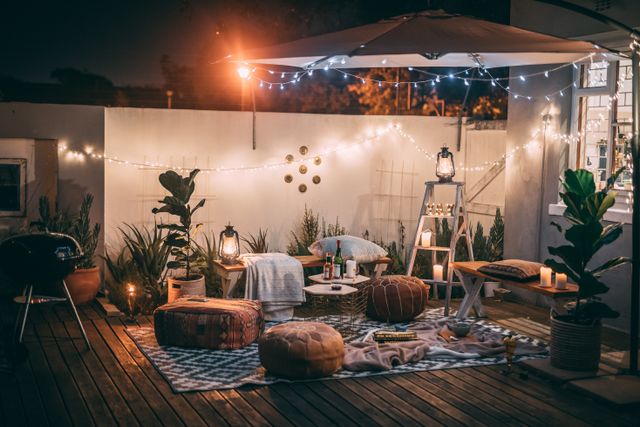
A comfortable seating area can make your backyard feel like an extension of your home. You do not necessarily need expensive outdoor furniture to create one.
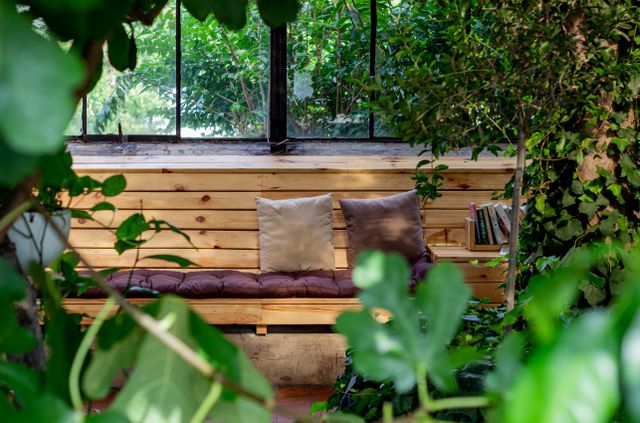
Consider refurbishing existing chairs, building a simple bench, or repurposing suitable materials into outdoor seating. Add weather-resistant cushions, a small table, and potted plants to make the area more inviting.
If you plan to use wooden pallets, make sure they are suitable for reuse, structurally sound, and free from chemical contamination. Sand rough surfaces, secure all joints properly, and avoid using damaged pallets for seating.
A simple weekend project:
- Choose a level location with enough room for movement.
- Clean and prepare your seating materials.
- Assemble or repair the furniture securely.
- Apply an appropriate outdoor finish if needed.
- Add cushions and accessories designed for outdoor conditions.
Position the seating area according to how you want to use it. A sunny corner may be ideal for morning coffee, while a shaded area can be more comfortable during hot afternoons.
Make a DIY Garden Path
A garden path can improve access, protect grass from heavy foot traffic, and make a backyard feel more organized. It can also connect different areas, such as a patio, vegetable garden, shed, or seating corner.
Popular materials include stepping stones, gravel, bricks, and pavers. The right option depends on your budget, the soil, the amount of foot traffic, and the overall style of your garden.
For a simple stepping-stone path:
- Mark the route with string or garden stakes.
- Position the stones with comfortable walking gaps.
- Prepare a stable base for each stone.
- Level the stones so they do not wobble.
- Check that the finished path drains properly.
For paths used frequently or in wet weather, pay particular attention to stability and slip resistance. Avoid placing stones where they may become hidden hazards in long grass or poor lighting.
Build a Vertical Herb Garden
Vertical gardening is especially useful when your backyard has limited floor space. By growing plants upward, you can create a green feature on a suitable wall, fence, or freestanding structure.
Herbs such as basil, parsley, thyme, and mint can be grown in containers, provided their light, watering, and temperature needs are met. Mint is best kept in its own container because it can spread aggressively.
A vertical herb garden can be made using wall-mounted planters, purpose-built growing pockets, or a stable freestanding rack. Make sure the structure can support the combined weight of containers, soil, and water.
Before installation, check that the wall or fence can safely bear the load. Protect wooden surfaces from prolonged moisture, and place the garden where plants receive suitable sunlight.
This project combines decoration with everyday usefulness: fresh herbs can be harvested for cooking while the arrangement adds greenery to the backyard.
Add Outdoor Lighting
Outdoor lighting can make a backyard more comfortable after sunset and highlight its most attractive features. It can also improve visibility along paths, steps, and entrances.
For an easy DIY project, consider solar-powered pathway lights, outdoor-rated string lights, or small rechargeable lanterns. These options can often be installed without complex electrical work.
Think about three types of lighting:
- Functional lighting: Helps people see steps, entrances, and walking routes.
- Ambient lighting: Creates a relaxed atmosphere around seating and dining areas.
- Accent lighting: Highlights trees, planters, garden sculptures, or architectural details.
Choose fixtures rated for the conditions in which they will be installed. Keep electrical connections protected from moisture, and use outdoor-rated equipment. Any new mains-powered wiring should be installed by a qualified electrician in accordance with local requirements.
Create a DIY Fire Pit Area
A fire pit area can become a focal point for outdoor gatherings, especially in cooler weather. However, this project requires more careful planning than many other backyard improvements.
Before building one, check local fire regulations, property rules, and any temporary restrictions on outdoor burning. Choose a location well away from buildings, fences, trees, dry vegetation, and overhead structures. The required distance depends on local rules and the type of fire pit.
For a simpler setup, consider a commercially manufactured outdoor fire pit used according to its instructions. If you build a permanent structure, use appropriate noncombustible materials and a stable, suitable base.
Keep water or an appropriate fire extinguisher nearby, never leave a fire unattended, and fully extinguish it before leaving the area. Avoid burning treated wood, painted timber, or household waste.
If open fires are prohibited or unsuitable for your backyard, an outdoor electric heater or flameless lighting can provide a similar gathering atmosphere.
Make a DIY Bird Feeder or Wildlife Corner
A wildlife-friendly corner can bring more life to your backyard and give children an opportunity to observe birds and insects.
A simple bird feeder can be made from untreated wood or purchased as a ready-to-use kit. Place it where birds have a clear approach and can retreat to nearby cover, but where cats and other predators are less likely to reach them.
You can also support wildlife by planting native flowers, adding a shallow water source, or creating a small habitat area with suitable plants and natural materials.
Keep these points in mind:
- Use safe materials without toxic coatings.
- Clean bird feeders and water containers regularly.
- Provide food appropriate for local bird species.
- Avoid placing feeders where they may create hazards for windows or attract unwanted pests.
- Check local guidance about feeding wildlife.
A wildlife corner does not need to be elaborate. A few suitable plants and a clean water source can make the garden more welcoming to local species.
Design a Small Outdoor Dining Space
An outdoor dining space can make everyday meals feel special and provide a convenient place to host friends. Even a compact patio can accommodate a small table, a few chairs, and some greenery.
Start by measuring the available space and allowing enough room to pull out chairs and move around safely. If the ground is uneven, consider creating a stable surface before placing furniture.
You can personalize the area with:
- A refurbished outdoor table
- Weather-resistant chairs or benches
- Container plants or a small herb garden
- An outdoor rug suitable for the surface
- Shade from an umbrella or suitable canopy
- Solar lanterns or outdoor-rated lighting
For a low-cost makeover, repaint or refinish existing furniture with products intended for outdoor use. Coordinating just two or three colors across cushions, planters, and accessories can help the space feel cohesive.
Compare DIY Projects by Cost and Difficulty
The best project depends on your available time, budget, tools, and experience. The estimates below are relative rather than fixed prices, since material costs vary by location and quality.
|
DIY Project |
Relative Cost |
Difficulty |
Approximate Time |
|
Wooden planters |
Low to medium |
Beginner |
A few hours |
|
Outdoor seating |
Low to medium |
Beginner to intermediate |
Half a day to a weekend |
|
Stepping-stone path |
Low to medium |
Beginner to intermediate |
Half a day to a weekend |
|
Vertical herb garden |
Low to medium |
Beginner |
A few hours |
|
Outdoor lighting |
Low to medium |
Beginner for plug-in or solar options |
A few hours |
|
Fire pit area |
Medium |
Intermediate |
A day or more |
|
Bird feeder |
Low |
Beginner |
One to three hours |
|
Outdoor dining area |
Low to medium |
Beginner |
A few hours |
These times assume basic preparation and readily available materials. Larger installations, difficult ground conditions, or more complex construction can take considerably longer.
Tips for Planning a Successful Backyard DIY Project
A little planning can help you avoid wasted materials and unnecessary expenses.
Start with one improvement. Choose a project that solves a real problem, such as creating more seating or improving access to the garden.
Measure before buying materials. Accurate measurements help you estimate quantities and reduce waste.
Check the weather. Outdoor painting, staining, planting, and construction may depend on suitable temperatures and dry conditions.
Choose durable materials. Outdoor furniture and structures need to withstand sunlight, moisture, temperature changes, and regular use.
Prioritize safety. Use protective equipment, follow tool instructions, and seek professional help for structural work, complex electrical installations, or projects involving uncertain ground conditions.
Plan for maintenance. Consider how often the finished project will need cleaning, repainting, watering, or repairs.
The most successful backyard projects are not necessarily the most elaborate. A simple planter or well-placed bench can make a noticeable difference when it fits the way you use the space.
Conclusion
Outdoor DIY projects offer a practical way to improve your backyard, personalize your garden, and create more opportunities to enjoy time outside. Wooden planters, garden paths, vertical herb gardens, seating areas, and outdoor lighting are all useful options for different budgets and skill levels.
Before starting, consider the available space, local climate, material costs, and amount of maintenance you can manage. Begin with a manageable project, use appropriate materials, and expand your plans as your confidence grows.
With thoughtful planning and a little creativity, even a small backyard can become a more comfortable, functional, and inviting part of your home.
Frequently Asked Questions
Use materials designed for outdoor conditions, follow installation instructions, ensure proper drainage, and maintain the finished project regularly. Inspect wooden structures, fasteners, lighting, and paths for wear or damage.


Was This Article Helpful?
Click on a star to rate it!
Thank you for your vote!
Average Rating: 0/5 Votes: 0
Be the first to rate this post!

Tech entrepreneur & digital strategist with over 9 years of experience in backend development and more than 5 years in executive leadership. Education Software and Web developer. More than 20 years of experience in software and web development.
View LinkedIn ProfileLatest Posts

Lifestyle Design for Personal Freedom
Outdoor DIY Projects for Your Backyard

Fashion Weeks and Their Cultural Impact