Fashion Weeks and Their Cultural Impact
Fashion Weeks are among the most influential events in the global fashion industry. Held in major fashion capitals and other cities around the world, these events bring together designers, models, journalists, buyers, celebrities, and fashion enthusiasts to present new collections and explore emerging trends.
However, Fashion Weeks are about more than clothing. They reflect changes in society, influence popular culture, introduce new creative ideas, and create conversations about identity, sustainability, representation, and tradition.
From runway shows to social media coverage, Fashion Weeks help shape how people understand and express themselves through fashion. Their cultural impact extends beyond the industry, influencing everyday style, entertainment, business, and the way communities represent their heritage.
What Are Fashion Weeks?
Fashion Weeks are organized events during which designers and fashion brands present their collections to industry professionals, media, buyers, and the public. Shows often focus on upcoming seasons, giving retailers and fashion observers an early look at new silhouettes, colors, materials, and styling ideas.
The most internationally recognized fashion capitals include:
- Paris: Known for its haute couture heritage, established fashion houses, and influential designer collections.
- Milan: Recognized for Italian luxury fashion, craftsmanship, tailoring, and accessories.
- London: Associated with experimentation, emerging designers, and distinctive creative expression.
- New York: Known for its diverse fashion scene, commercial influence, and connection to contemporary urban style.
Other cities, including Copenhagen, Tokyo, Seoul, and Lagos, also contribute important perspectives to the global fashion conversation.
Fashion Weeks vary in scale, audience, and focus. Some emphasize luxury ready-to-wear collections, while others highlight independent designers, local traditions, streetwear, or sustainable fashion.
How Fashion Weeks Influence Global Trends
Fashion Weeks help introduce ideas that may later appear in retail stores, magazines, social media, and everyday wardrobes. Designers experiment with proportions, fabrics, colors, and styling, offering new ways to interpret clothing.
Colors, Fabrics, and Silhouettes
Runway collections often explore different color combinations, shapes, and materials. Oversized tailoring, minimalist designs, dramatic outerwear, or experimental textures may attract attention and inspire other creators.
Not every runway look becomes a mainstream trend. Buyers, fashion editors, celebrities, retailers, and consumers all influence which ideas gain wider popularity.
From the Runway to Everyday Fashion
Trends usually move through several stages. A designer introduces an idea, fashion media and creators discuss it, retailers adapt it for different budgets, and consumers decide whether to adopt it.
Some runway concepts become simplified versions of their original designs. A dramatic silhouette might inspire a more practical jacket, while an unusual color combination could influence seasonal clothing collections.
Fashion Weeks therefore act as a source of inspiration rather than a direct blueprint for what everyone will wear.
Street Style and Personal Expression
Fashion Week street style has become an important part of the event. Photographers capture the outfits worn by editors, influencers, designers, and visitors outside the shows.
These looks often mix luxury pieces with vintage clothing, independent labels, and everyday basics. Street style demonstrates that fashion trends do not come only from designers; they also emerge from individual creativity and the ways people combine existing garments.
Fashion Weeks as a Reflection of Culture and Identity
Fashion can communicate identity, belonging, personal values, and cultural heritage. Fashion Weeks provide a visible platform for designers to explore these themes through clothing.
Cultural Heritage and Traditional Craftsmanship
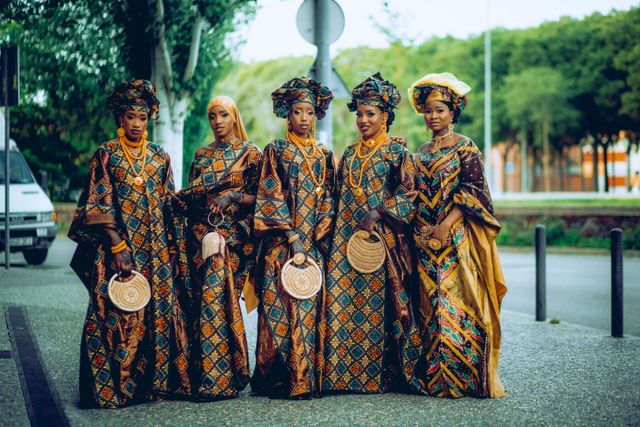
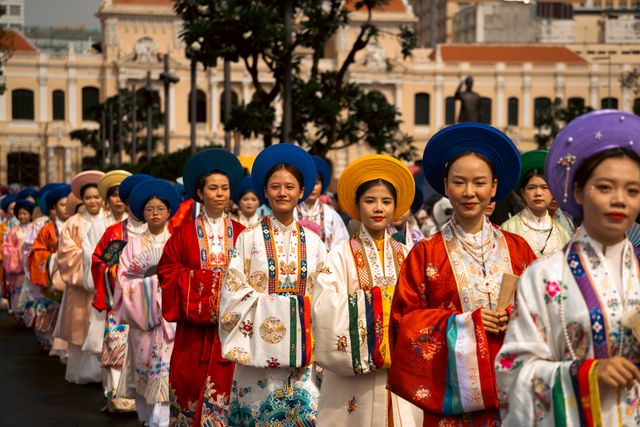
Designers may draw inspiration from traditional textiles, embroidery, weaving techniques, regional dress, and historical clothing. When handled thoughtfully, these references can introduce audiences to different cultural traditions and help preserve knowledge of specialized crafts.
However, cultural inspiration also raises questions about ownership, credit, and appropriation. Using a cultural symbol without understanding its meaning or acknowledging its origins can lead to criticism.
Respectful collaboration, research, and recognition of the communities behind traditional techniques can help create more meaningful collections.
Fashion and Social Change
Fashion has long been connected to social movements and changing ideas about identity. Designers may use collections to challenge conventional gender expectations, question beauty standards, or comment on political and environmental issues.
A runway show can become a platform for discussion when its clothing, casting, location, or presentation communicates a broader message. The impact depends on how audiences interpret the work and whether the ideas lead to meaningful engagement beyond the event.
Representation and Diversity
Casting choices influence which bodies, ages, identities, and backgrounds are visible in fashion. Greater representation can challenge narrow ideas about who fashion is designed for.
Progress is not always consistent across brands or seasons. Meaningful inclusion involves more than selecting diverse models for a single show; it also concerns opportunities for designers, leadership, employment, and long-term industry practices.
The Role of Social Media in Modern Fashion Weeks
Digital platforms have transformed how audiences experience Fashion Weeks. In the past, access to runway shows was largely concentrated among industry professionals, invited guests, and traditional media. Today, photographs, livestreams, short videos, and commentary can reach global audiences almost immediately.
Social media has changed Fashion Weeks in several ways:
- Wider access: People can follow collections and designer presentations without attending in person.
- Faster trend circulation: Runway looks and street-style outfits can spread across platforms within hours.
- Direct designer communication: Brands can share collections and creative concepts with audiences without relying entirely on traditional publications.
- Creator partnerships: Influencers and content creators help introduce collections to different communities.
- Public discussion: Viewers can respond to designs, casting decisions, brand messages, and industry controversies in real time.
This wider reach also creates challenges. A collection may be judged through a few viral images rather than its full creative context. Online popularity can overshadow less visible designers, and pressure to produce shareable moments may influence how shows are designed.
Nevertheless, social media has made Fashion Weeks more accessible and expanded the range of voices participating in fashion conversations.
Fashion Weeks and the Business of Fashion
Fashion Weeks are cultural events, but they also play an important commercial role. They connect designers with buyers, retailers, journalists, manufacturers, sponsors, and potential business partners.
|
Industry Activity |
Role of Fashion Week |
Potential Impact |
|
Collection launches |
Designers present upcoming designs |
Builds awareness and introduces new products |
|
Retail buying |
Buyers assess collections for stores |
Influences future retail selections |
|
Media coverage |
Journalists and publications report on shows |
Shapes public perception and brand visibility |
|
Brand partnerships |
Companies collaborate with designers or events |
Creates promotional and commercial opportunities |
|
Emerging talent |
New designers present their work |
Helps attract attention, support, and investment |
|
City promotion |
Events attract visitors and industry professionals |
Can support local hospitality and related businesses |
For emerging designers, participating in a Fashion Week can provide valuable exposure, but it may also involve significant costs for production, venues, models, travel, and marketing.
Fashion Weeks can benefit host cities by attracting visitors and supporting local businesses. However, the scale of these benefits varies by event, and costs, accessibility, and environmental impacts should also be considered.
Sustainability and the Challenges Facing Fashion Weeks
Fashion Weeks have an opportunity to promote new ideas, but they also face criticism over the environmental and social consequences of the fashion industry.
Runway productions may involve travel, temporary sets, lighting, materials, and large-scale events. The wider industry also faces challenges related to overproduction, textile waste, labor conditions, and the pressure to release new collections frequently.
Several approaches can help address these concerns.
More Responsible Production
Designers can consider lower-impact materials, durable construction, responsible sourcing, and production methods that reduce unnecessary waste. Reusing set materials and minimizing single-use elements can also improve event practices.
Circular Fashion
Some designers emphasize clothing repair, resale, upcycling, rental, or garments designed for longer use. These approaches challenge the assumption that fashion must constantly be replaced by something new.
Transparency and Accountability
Brands can communicate more clearly about materials, manufacturing, and labor practices. However, sustainability claims should be specific and supported by evidence rather than relying on vague labels or marketing language.
Rethinking Fashion Shows
Digital presentations, smaller events, and more efficient travel planning may reduce certain impacts. Yet digital formats also require energy and technology, so they are not automatically impact-free.
Sustainability is a complex challenge, and no single runway collection or event can solve it. Progress depends on consistent changes in design, production, consumption, and industry practices.
The Future of Fashion Weeks
Fashion Weeks continue to adapt to changes in technology, consumer behavior, and cultural expectations.
Digital presentations and livestreams may remain useful alongside physical runway shows, allowing brands to reach audiences who cannot attend in person. New technologies can also support virtual showrooms, digital design experiments, and more interactive ways to explore collections.
At the same time, audiences increasingly encounter fashion through short-form video, creator content, and online communities. Designers may need to balance the immediate visibility of digital platforms with the depth and atmosphere of a physical show.
Other important developments include greater attention to regional fashion scenes, more opportunities for emerging designers, and stronger discussions about inclusion and sustainability.
The future of Fashion Weeks will depend on how well they combine creative experimentation with accessibility, commercial relevance, and responsible industry practices.
Conclusion
Fashion Weeks are much more than seasonal runway events. They influence trends, introduce new designers, reflect cultural identities, and provide a platform for discussions about representation, social change, and sustainability.
Their impact extends through retail, media, social networks, and everyday personal style. At the same time, the industry must address challenges involving environmental responsibility, commercial pressure, and meaningful inclusion.
As fashion continues to evolve, Fashion Weeks will remain important spaces where creativity and culture meet. Their lasting significance will depend not only on the clothes presented on the runway but also on the ideas, collaborations, and changes they inspire.
Frequently Asked Questions
Some organizers and designers are exploring reusable sets, lower-waste production, digital presentations, and more responsible materials. However, sustainability remains an ongoing challenge involving travel, production practices, labor conditions, and the wider fashion industry's consumption patterns.


Was This Article Helpful?
Click on a star to rate it!
Thank you for your vote!
Average Rating: 5/5 Votes: 1
Be the first to rate this post!

Strong engineering background in mobile and backend development. Focusing on building scalable products, improving development processes — from architecture and APIs to UX redesigns, monetization, and analytics. Responsible for applications with 1M+ downloads and multi-project ecosystems.
View LinkedIn ProfileLatest Posts

Lifestyle Design for Personal Freedom

Outdoor DIY Projects for Your Backyard
Fashion Weeks and Their Cultural Impact