Injury Prevention for Solo Athletes: How to Train Safely and Stay Consistent
Training alone offers flexibility, independence, and the freedom to work toward personal fitness goals at your own pace. Whether you enjoy running, cycling, swimming, hiking, weightlifting, or home workouts, solo training can be a rewarding part of your lifestyle.
However, exercising without a coach or training partner also means taking greater responsibility for your safety. Without someone to monitor your technique or notice early signs of fatigue, it can be easier to push too hard, overlook discomfort, or make mistakes that increase the risk of injury.
The good news is that many common training injuries can be prevented or their risk reduced through sensible preparation, gradual progression, proper technique, and adequate recovery.
Understand the Most Common Training Injuries
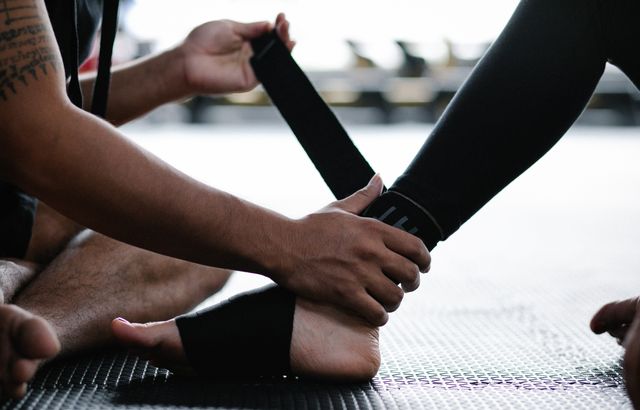
Solo athletes participate in many different activities, so their injury risks vary. Runners may experience shin pain or knee problems, cyclists may develop neck or lower-back discomfort, and weightlifters may strain muscles when using excessive loads.
Common exercise-related problems include:
- Muscle strains: Muscles may become strained when they are overloaded or stretched beyond their capacity.
- Joint sprains: Ligaments can be injured by sudden twisting or awkward movements.
- Overuse injuries: Repeated stress without enough recovery can contribute to problems such as tendon irritation or stress injuries.
- Falls and collisions: Uneven terrain, poor visibility, and environmental hazards can cause accidents during outdoor activities.
- Technique-related discomfort: Repeated movements with unsuitable technique or excessive loads can place unnecessary stress on the body.
Not every ache indicates an injury, and some injuries occur despite careful preparation. Learning to recognize changes in pain, movement, and performance can help you respond before a problem becomes more serious.
Always Warm Up Before Training
A warm-up prepares your body for the activity ahead. It gradually increases circulation, raises muscle temperature, and helps you transition from rest to exercise.
A useful warm-up usually lasts around 5–10 minutes, although the ideal duration depends on the activity, intensity, and environmental conditions.
Build a Simple Warm-Up Routine
- Start with light movement. Walk briskly, pedal easily, or march in place for several minutes.
- Add dynamic movements. Try controlled leg swings, arm circles, hip rotations, or gentle lunges relevant to your workout.
- Practice the movements you will perform. Before running faster, gradually increase your pace. Before lifting heavy weights, begin with lighter sets.
- Increase intensity gradually. Avoid moving directly from rest into maximal effort.
Dynamic movements are generally useful before exercise. Longer static stretches can be included when appropriate, particularly if flexibility is a specific goal, but stretching should not be treated as a guarantee against injury.
Increase Training Intensity Gradually
One common mistake is doing too much too soon. You may feel motivated to run farther, lift heavier weights, or train more frequently, but your muscles, tendons, bones, and joints need time to adapt.
A gradual approach helps you build fitness while managing the demands placed on your body.
How to Progress Safely
- Increase distance, duration, resistance, or intensity in manageable steps.
- Avoid making several major training increases at the same time.
- Include easier sessions between demanding workouts.
- Pay attention to how you feel during exercise and in the following days.
- Adjust your plan when fatigue, soreness, or discomfort becomes persistent.
There is no single percentage increase that guarantees safe progression for every athlete. Your training history, current fitness, age, health, and activity all influence how much training you can tolerate.
For example, a beginner runner might start with short intervals of walking and jogging rather than attempting a long continuous run. A beginner weightlifter might focus on controlled technique and lighter weights before progressing to heavier loads.
Use Proper Technique and Suitable Equipment
Good technique helps you perform movements efficiently and avoid unnecessary strain. Equipment should also fit your activity, body, and environment.
Technique Matters
When training alone, it can be difficult to notice small errors. Consider using a mirror, recording a short video of your movement, or following instructions from a qualified coach.
For strength training, prioritize controlled movements, stable positioning, and weights you can manage without compromising form. For running, focus on a comfortable stride and gradually build your training volume instead of trying to force a particular running style.
If you are learning a complex movement, professional guidance can be especially valuable.
Choose the Right Equipment
Depending on your activity, useful equipment may include:
- Well-fitting running or walking shoes suited to the activity and terrain.
- A properly fitted bicycle and a correctly adjusted helmet.
- Appropriate protective gear for contact or wheeled sports.
- Comfortable clothing that suits the weather.
- Reflective accessories and lights for outdoor training in low visibility.
Equipment cannot eliminate injury risk, but suitable and well-maintained gear can improve comfort and help protect against specific hazards.
Strengthen Your Body and Improve Mobility
Strength training can support athletic performance by improving muscular capacity and helping the body tolerate physical demands. Mobility and balance exercises can also be useful, depending on your sport.
A balanced routine can include:
|
Exercise type |
Examples |
Main purpose |
|
Lower-body strength |
Squats, step-ups, split squats |
Build strength for running, hiking, and daily movement |
|
Upper-body strength |
Rows, push-ups, resistance-band exercises |
Support pushing, pulling, and upper-body control |
|
Core exercises |
Planks, dead bugs, bird dogs |
Develop trunk strength and control |
|
Balance exercises |
Single-leg stands, controlled step-downs |
Practice stability and coordination |
|
Mobility exercises |
Controlled hip, ankle, and shoulder movements |
Maintain comfortable movement through useful ranges |
Start with exercises you can perform comfortably and with control. Increase resistance or difficulty gradually, and allow enough recovery between challenging sessions.
Choose exercises that support your particular sport rather than trying to do every exercise on the list. If you have an existing injury or medical condition, seek appropriate professional guidance before starting a new program.
Prioritize Recovery, Sleep, and Nutrition
Training creates physical stress. Recovery allows your body to adapt to that stress, rebuild tissues, and prepare for the next session.
Ignoring recovery can lead to persistent fatigue, declining performance, and a greater likelihood of training beyond your current capacity.
Make Recovery Part of Your Plan
Get sufficient sleep. Most adults need around seven to nine hours of sleep per night, although individual needs vary. Consistent sleep supports recovery, concentration, and physical performance.
Eat enough to support your activity. Carbohydrates provide energy for many forms of exercise, protein supports tissue repair and muscle maintenance, and dietary fats contribute to overall health. A varied diet with adequate energy intake is important for active people.
Stay hydrated. Drink fluids regularly and adjust your intake to exercise duration, intensity, and temperature. Longer or hotter sessions may require additional attention to fluid and electrolyte replacement.
Plan easier days. Recovery may involve rest, gentle movement, or a lighter workout. The right choice depends on your training load and how your body feels.
Avoid training through persistent pain. Mild muscle soreness after unfamiliar exercise can be normal, but worsening pain, swelling, weakness, or altered movement deserves attention.
Learn to Recognize Warning Signs
When you train alone, you are responsible for noticing when something does not feel right. Listening to your body means responding to symptoms rather than automatically pushing through them.
Pay attention to warning signs such as:
- Pain that becomes worse as exercise continues.
- Swelling, bruising, or reduced range of motion.
- Persistent soreness that interferes with normal activities.
- Unusual weakness, instability, or changes in your movement.
- Fatigue that does not improve with adequate rest.
Stop exercising if you experience sharp or sudden pain. Seek medical assessment for significant, persistent, or worsening symptoms.
Severe pain, obvious deformity, inability to bear weight after an injury, chest pain, fainting, or severe breathing difficulty may require urgent medical attention.
Returning to training too quickly can prolong recovery. After a significant injury, follow advice from a qualified healthcare professional and resume activity gradually.
Take Extra Precautions When Training Alone Outdoors
Outdoor activities offer freedom and variety, but weather, terrain, traffic, and distance from assistance can introduce additional risks.
Before heading out, take a few simple precautions:
- Plan your route. Choose a route appropriate for your fitness, experience, and available daylight.
- Check the weather. Prepare for heat, cold, rain, or changing conditions.
- Carry a charged phone. Make sure you can contact someone if needed.
- Tell someone your plans. For longer runs, rides, or hikes, share your route and expected return time.
- Use visible clothing and lights. These are particularly important near roads or in poor lighting.
- Carry essentials. Depending on the activity, take water, identification, and basic first-aid supplies.
- Know when to turn back. Do not continue into unsafe weather, unfamiliar terrain, or conditions beyond your ability.
For remote activities, consider a personal locator device or another reliable way to request help when mobile coverage is unavailable.
Create a Sustainable Solo Training Routine
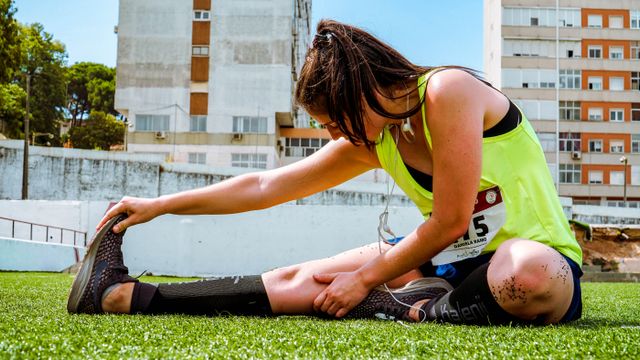
Injury prevention works best when it becomes part of your regular routine rather than a set of precautions you remember only occasionally.
A balanced training week should reflect your experience, goals, and activity. The example below illustrates how different types of exercise can be combined; it is not a universal prescription.
|
Day |
Example activity |
Training focus |
|
Monday |
Moderate aerobic exercise |
Build endurance |
|
Tuesday |
Strength training |
Develop muscular strength |
|
Wednesday |
Easy movement or rest |
Support recovery |
|
Thursday |
Sport-specific practice |
Improve technique and skill |
|
Friday |
Moderate aerobic exercise |
Maintain fitness |
|
Saturday |
Longer, comfortable session |
Build activity tolerance gradually |
|
Sunday |
Rest or gentle mobility |
Recover before the next week |
Adjust the schedule to your needs. Beginners may require more rest days, while experienced athletes may follow more specialized programs.
Keep a simple training log with details such as duration, intensity, sleep, soreness, and any discomfort. Over time, these notes can help you recognize patterns and make informed adjustments.
Conclusion
Injury prevention for solo athletes starts with preparation, gradual progress, good technique, and adequate recovery. Warming up, using appropriate equipment, building strength, and recognizing warning signs can help you manage the physical demands of training.
Outdoor athletes should also plan their routes, check conditions, and make it possible to contact someone in an emergency. Above all, consistency matters more than pushing through every workout. Adjusting a session or taking a rest day when needed can help you maintain an active lifestyle over the long term.
Training alone can be both enjoyable and effective when you approach it thoughtfully. By making safety part of your routine, you can continue developing your skills and fitness while taking better care of your body.
Frequently Asked Questions
Many people train alone safely by choosing suitable routes, checking weather conditions, carrying a charged phone, using appropriate visibility equipment, and telling someone their plans. Remote or unfamiliar routes may require additional precautions.


Was This Article Helpful?
Click on a star to rate it!
Thank you for your vote!
Average Rating: 5/5 Votes: 1
Be the first to rate this post!

Expert in backend development and database architecture. Specializes in building, optimizing, and maintaining scalable PHP applications, designing efficient database structures, and ensuring data integrity and performance. Experienced in working with relational databases, writing optimized queries, and integrating backend systems with APIs and business logic to support reliable, high-performance web solutions.
View LinkedIn ProfileLatest Posts

Ecology and Sustainable Development

Injury Prevention for Solo Athletes