Ecological Restoration Projects Around the World
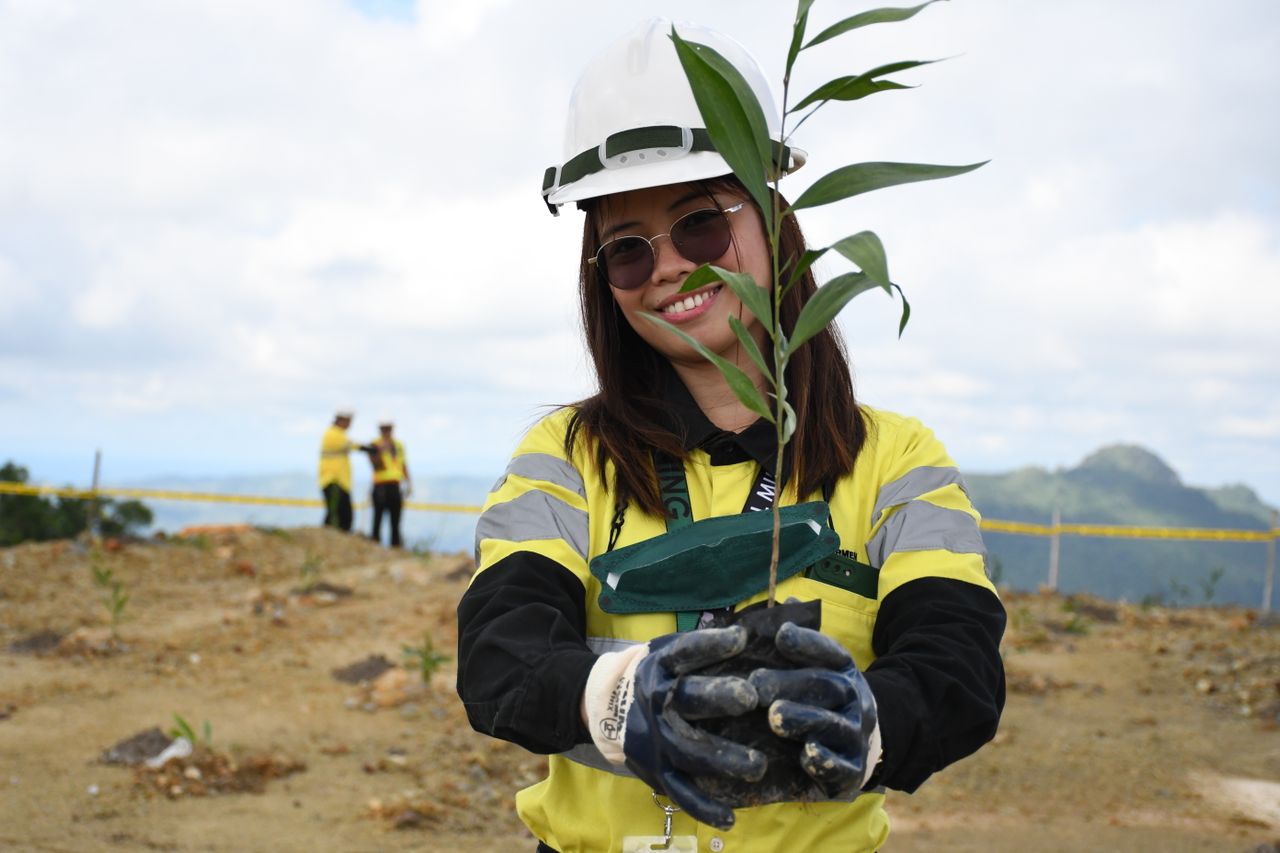
Ecological restoration is the process of helping damaged ecosystems recover so they can once again support plants, animals, and human communities. Around the world, governments, conservation organizations, Indigenous communities, scientists, and volunteers are working together to restore forests, wetlands, rivers, grasslands, coral reefs, and other natural habitats.
These projects not only protect biodiversity but also improve water quality, reduce erosion, capture carbon, and strengthen ecosystems against climate change.
What Is Ecological Restoration?
Ecological restoration involves repairing ecosystems that have been degraded by activities such as:
- Deforestation
- Pollution
- Urban development
- Unsustainable agriculture
- Mining
- Invasive species
- Climate change
The goal is to restore ecological processes rather than simply planting trees or adding wildlife.
Why Restoration Matters
Healthy ecosystems provide essential services, including:
- Clean air and water
- Food production
- Climate regulation
- Soil protection
- Wildlife habitat
- Natural disaster resilience
Restoration projects help preserve these benefits for future generations.
Forest Restoration
Forests are among the world's most valuable ecosystems.
Restoration activities include:
- Planting native tree species
- Protecting young forests
- Removing invasive plants
- Encouraging natural forest regeneration
- Reducing illegal logging
Healthy forests store carbon, support biodiversity, and regulate local climates.
Wetland Restoration
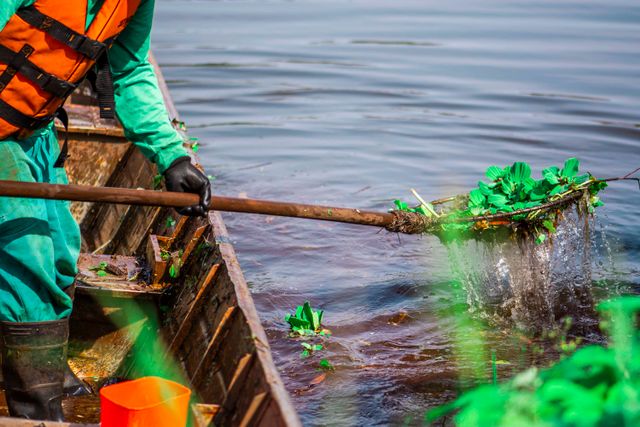
Wetlands act as natural water filters and provide habitat for many species.
Common restoration methods include:
- Reconnecting natural waterways
- Removing drainage systems
- Restoring native vegetation
- Improving water flow
Healthy wetlands also help reduce flooding.
Coral Reef Recovery
Coral reefs support thousands of marine species but face pressure from warming oceans, pollution, and overfishing.
Restoration efforts may involve:
- Coral nurseries
- Transplanting healthy coral fragments
- Reducing pollution
- Protecting marine habitats
These projects aim to improve reef resilience alongside broader conservation measures.
|
Ecosystem |
Restoration Activities |
Key Benefits |
|
Forests |
Native tree planting, habitat protection |
Carbon storage and biodiversity |
|
Wetlands |
Waterway restoration, vegetation recovery |
Flood control and cleaner water |
|
Coral reefs |
Coral propagation and transplantation |
Marine biodiversity protection |
|
Grasslands |
Native plant restoration |
Soil conservation and wildlife habitat |
|
Rivers |
Dam removal, riverbank restoration |
Improved water flow and fish migration |
River Restoration
Many rivers have been altered by dams, pollution, and development.
River restoration projects often include:
- Restoring natural river channels
- Stabilizing riverbanks
- Improving fish migration routes
- Reducing pollution sources
Healthier rivers support aquatic life and provide cleaner water for surrounding communities.
Grassland Restoration
Grasslands are home to numerous plant and animal species.
Restoration may involve:
- Reintroducing native grasses
- Managing invasive species
- Supporting sustainable grazing
- Restoring natural fire cycles where appropriate
Healthy grasslands also help store carbon in soils.
Coastal Ecosystem Restoration
Coastal habitats protect communities from storms and erosion.
Projects may focus on restoring:
- Mangrove forests
- Salt marshes
- Sand dunes
- Seagrass meadows
These ecosystems also provide important breeding grounds for marine life.
Reintroducing Native Species
In some cases, restoring ecosystems includes bringing back native plants and animals that have disappeared from an area.
Successful reintroductions require:
- Suitable habitat
- Long-term monitoring
- Community involvement
- Protection from ongoing threats
Reintroducing native species can help restore natural ecological balance.
Community Participation
Many successful restoration projects rely on local communities.
Community involvement can include:
- Tree planting
- Habitat monitoring
- Environmental education
- Sustainable land management
- Volunteer conservation efforts
Local knowledge often strengthens restoration outcomes.
The Role of Technology
Modern technology supports restoration through:
- Satellite monitoring
- Drone mapping
- Geographic information systems (GIS)
- Environmental sensors
- Data analysis
These tools help scientists assess ecosystem health and monitor project progress.
International Cooperation
Environmental challenges often cross national borders, making collaboration essential.
International partnerships support:
- Research
- Funding
- Knowledge sharing
- Conservation planning
- Climate adaptation efforts
Working together allows countries to address large-scale environmental issues more effectively.
Challenges Facing Restoration Projects
Ecological restoration can be difficult due to:
- Climate change
- Limited funding
- Habitat fragmentation
- Invasive species
- Long recovery times
Many ecosystems require years or even decades to recover, making long-term commitment essential.
Measuring Success
Restoration projects are evaluated using indicators such as:
- Increased biodiversity
- Improved water quality
- Recovery of native species
- Healthier soils
- Greater ecosystem resilience
Success often depends on restoring natural ecological processes rather than simply increasing vegetation.
The Future of Ecological Restoration
Growing environmental awareness is encouraging larger restoration initiatives around the world.
Future priorities include:
- Expanding protected areas
- Restoring degraded farmland
- Strengthening climate resilience
- Increasing community participation
- Using innovative restoration technologies
These efforts can help support both biodiversity and human well-being.
Conclusion
Ecological restoration projects demonstrate that damaged ecosystems can recover with careful planning, scientific knowledge, and long-term commitment. From forests and wetlands to rivers and coral reefs, restoration efforts are helping rebuild habitats, protect biodiversity, and strengthen natural systems.
While challenges remain, continued cooperation among governments, scientists, local communities, and conservation organizations offers hope for healthier ecosystems and a more sustainable future.
Frequently Asked Questions
Technology helps monitor ecosystems, map habitats, collect environmental data, and evaluate restoration progress.


Was This Article Helpful?
Click on a star to rate it!
Thank you for your vote!

Average Rating: 0/5 Votes: 0
Be the first to rate this post!

Expert in backend development and database architecture. Specializes in building, optimizing, and maintaining scalable PHP applications, designing efficient database structures, and ensuring data integrity and performance. Experienced in working with relational databases, writing optimized queries, and integrating backend systems with APIs and business logic to support reliable, high-performance web solutions.
View LinkedIn ProfileLatest Posts

How Individuals Can Support Animal Protection: Simple Actions That Create Change

The Role of Consumers in Sustainability: How Everyday Choices Can Create Change
Human Rights Challenges in Conflict Zones: Protecting People During Crisis