How to Support Animal Shelters and Rescue Organizations
Animal shelters and rescue organizations play a vital role in protecting abandoned, abused, and stray animals. They provide food, medical care, and safe spaces while working to find loving homes. Supporting these organizations not only improves animal welfare but also strengthens communities and encourages responsible pet ownership.
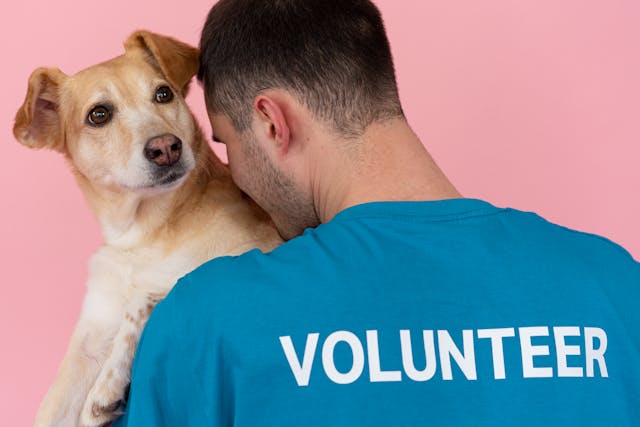
Donate Money or Supplies
Financial and material support is one of the most direct ways to help:
- Monetary donations: Even small contributions can cover vaccinations, medical care, and food.
- Supplies: Items like blankets, leashes, pet food, toys, and cleaning products are always needed.
- Special campaigns: Many shelters run specific drives for equipment, medicine, or seasonal needs.
Checking each organization’s wish list ensures your contributions are most useful.
Volunteer Your Time
Volunteering benefits both the animals and the shelter staff:
- Animal care: Walking dogs, socializing cats, or helping with grooming.
- Administrative support: Assisting with adoption events, office tasks, or outreach programs.
- Event help: Organizing fundraisers, awareness campaigns, or community education programs.
Even a few hours a week can make a significant difference in daily operations.
Foster Animals
Fostering provides temporary homes for animals while shelters work to find permanent placements:
- Reduces stress for animals in crowded facilities.
- Helps socialize pets, making them more adoptable.
- Gives foster families the chance to experience pet ownership without long-term commitment.
Foster programs are especially crucial for kittens, puppies, or animals recovering from medical issues.
Adopt, Don’t Shop
Choosing to adopt from shelters rather than buying from breeders or pet stores:
- Provides a loving home to animals in need.
- Helps reduce overpopulation and euthanasia rates.
- Encourages responsible pet ownership.
Many shelters offer adoption counseling to ensure pets match well with their new families.
Advocate and Raise Awareness
You can support shelters by spreading the word and advocating for animals:
- Share shelter events, fundraisers, and adoptable animals on social media.
- Educate others about the importance of spaying/neutering and responsible pet care.
- Support policies and initiatives that protect animal welfare.
Community awareness strengthens the impact of rescue organizations and promotes a culture of compassion.

Final Thoughts
Supporting animal shelters and rescue organizations can take many forms—donating, volunteering, fostering, adopting, or advocating. Each action contributes to improving the lives of animals and creating safer, more caring communities. By getting involved, you become part of a movement that gives vulnerable animals a second chance at life


Was This Article Helpful?
Click on a star to rate it!
Thank you for your vote!

Average Rating: 4.4/5 Votes: 37
Be the first to rate this post!

Latest Posts

How Individuals Can Support Animal Protection: Simple Actions That Create Change

The Role of Consumers in Sustainability: How Everyday Choices Can Create Change

Human Rights Challenges in Conflict Zones: Protecting People During Crisis