Exploring Global Cooking Traditions: A Journey Through World Cuisine
Food is more than a way to satisfy hunger. It reflects a region's history, climate, agriculture, cultural values, and family traditions. Across the world, people use different ingredients, cooking techniques, and rituals to prepare meals that bring communities together.
Exploring global cooking traditions is a way to discover new flavors while learning about the people and places behind them. From Italian pasta and Japanese sushi to Mexican tamales and Indian curries, traditional dishes often tell stories about local resources, historical influences, and generations of shared knowledge.
You do not need to travel abroad to experience these traditions. With a few ingredients, some curiosity, and a willingness to try new techniques, you can explore world cuisine in your own kitchen.
Why Cooking Traditions Matter
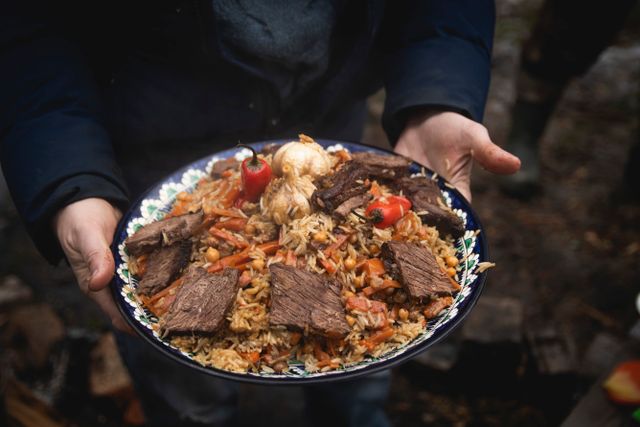
Cooking traditions develop over time as communities adapt to their environment, exchange ideas, and pass recipes from one generation to the next.
Climate and geography influence which ingredients are available. Coastal communities often have strong seafood traditions, while agricultural regions may rely on grains, vegetables, or livestock. Trade and migration introduce new spices, ingredients, and cooking methods, creating dishes that evolve over centuries.
Food also plays an important social role. Many cultures use shared meals to celebrate holidays, welcome guests, mark life events, or strengthen family relationships.
Learning about cooking traditions can help you:
- Discover ingredients and flavor combinations you may not usually use.
- Understand the cultural history behind familiar dishes.
- Develop new cooking skills and techniques.
- Appreciate how different communities approach food.
- Create opportunities to connect with friends and family through shared meals.
Traditional cuisine is rarely fixed. Recipes change as people move, ingredients become available in new places, and families adapt dishes to their own tastes.
Italian Cuisine: Simplicity and Regional Ingredients
Italian cooking is widely known for its emphasis on ingredients, seasonal produce, and regional diversity. Although pasta and pizza are internationally recognized, Italian cuisine includes a much broader range of soups, risottos, seafood dishes, breads, cheeses, and vegetable-based meals.
Traditional Ingredients and Techniques
Common ingredients include tomatoes, olive oil, garlic, basil, beans, grains, and a variety of cheeses. Their importance varies by region.
Northern Italian cooking often features rice, polenta, butter, and rich sauces, while many southern dishes highlight tomatoes, olive oil, vegetables, and seafood.
Pasta preparation illustrates how simple ingredients can produce a wide range of meals. The shape of the pasta, the texture of the sauce, and the cooking time all influence the final dish.
A Simple Italian-Inspired Recipe: Tomato and Basil Pasta
Ingredients:
- 200 g pasta
- 2 cups chopped tomatoes
- 2 garlic cloves, minced
- 2 tablespoons olive oil
- A handful of fresh basil
- Salt and black pepper
- Grated Parmesan, optional
Instructions:
- Cook the pasta in salted water according to the package instructions.
- Heat the olive oil in a pan and gently cook the garlic until fragrant.
- Add the tomatoes and simmer for approximately 10–15 minutes, until the sauce thickens.
- Season with salt and pepper.
- Toss the cooked pasta with the sauce, adding a little pasta water if needed.
- Finish with fresh basil and Parmesan, if desired.
This simple dish demonstrates how a few well-chosen ingredients can create a satisfying meal.
Japanese Cuisine: Balance, Seasonality, and Presentation
Japanese cooking traditions often emphasize seasonal ingredients, careful preparation, and the balance of flavors, textures, and colors. Meals may include rice, fish, vegetables, fermented foods, soups, and pickled ingredients.
Traditional Ingredients and Techniques
Rice is central to many Japanese meals. Other common ingredients include soy sauce, miso, seaweed, tofu, mushrooms, and seasonal seafood.
Several techniques are especially recognizable:
- Steaming: Helps preserve moisture and the natural texture of ingredients.
- Grilling: Adds a smoky flavor to fish, meat, and vegetables.
- Simmering: Allows ingredients to absorb the flavors of a broth or sauce.
- Pickling: Preserves vegetables and adds acidity or saltiness.
- Fermentation: Produces ingredients such as miso and soy sauce, contributing depth and complexity to dishes.
Japanese cuisine also includes many regional traditions, from the noodle dishes of different prefectures to the seafood preparations found in coastal areas.
A Simple Japanese-Inspired Recipe: Miso Soup
Ingredients:
- 3 cups water
- 1–2 tablespoons miso paste
- 100 g soft tofu, cubed
- A small handful of sliced spring onions
- Dried wakame seaweed, optional
- Dashi stock, prepared according to package instructions, optional
Instructions:
- Heat the water or prepared dashi stock until hot but not vigorously boiling.
- Add the tofu and rehydrated wakame, if using.
- Place the miso paste in a small bowl, add a little hot broth, and stir until smooth.
- Return the mixture to the pot and stir gently.
- Add the spring onions and serve warm.
Avoid boiling the soup vigorously after adding the miso, as this can affect its aroma and flavor.
Mexican Cuisine: Corn, Chilies, and Regional Heritage
Mexican cuisine draws on Indigenous food traditions, including those of the Maya and Aztec civilizations, alongside influences introduced through later cultural exchange. Corn, beans, chilies, squash, tomatoes, and avocados are important ingredients in many regional dishes.
The Importance of Corn
Corn has deep cultural and culinary significance in Mexico. It is used in tortillas, tamales, soups, and many other dishes.
Traditional nixtamalization involves cooking and soaking corn in an alkaline solution before washing and grinding it. This process changes the corn's texture and improves the availability of certain nutrients.
Tortillas made from masa are used in tacos, enchiladas, and other dishes, with fillings and preparations varying by region.
A Simple Mexican-Inspired Recipe: Black Bean Tacos
Ingredients:
- 6 small corn or flour tortillas
- 1 can black beans, drained and rinsed
- 1 small onion, chopped
- 1 teaspoon ground cumin
- 1 tablespoon olive oil
- 1 avocado, sliced
- Fresh lime juice
- Chopped cilantro and salsa, to serve
Instructions:
- Heat the olive oil in a pan and cook the onion until softened.
- Add the black beans and cumin, then cook for several minutes.
- Lightly mash some of the beans to create a thicker filling.
- Warm the tortillas in a dry pan.
- Fill each tortilla with the bean mixture.
- Add avocado, salsa, cilantro, and a squeeze of lime.
These tacos are easy to adapt with roasted vegetables, grilled chicken, or other preferred fillings.
Indian Cuisine: Spices, Regional Diversity, and Layered Flavors
Indian cuisine includes a wide variety of regional cooking traditions shaped by local agriculture, climate, religion, and historical trade. Ingredients and techniques differ considerably between northern, southern, eastern, and western India.
Understanding Indian Spices
Spices are often combined to build complex flavors. Cumin, coriander, turmeric, cardamom, mustard seeds, cinnamon, and chili are among the ingredients used in different regional dishes.
Rather than simply making food spicy, spices can add warmth, aroma, earthiness, sweetness, or brightness.
Cooking techniques also vary. Some dishes begin by gently heating whole spices in oil, while others use ground spices mixed into onions, tomatoes, yogurt, or other ingredients.
Lentils, beans, rice, flatbreads, vegetables, and dairy products are important in many Indian meals, although the balance differs from one region and household to another.
A Simple Indian-Inspired Recipe: Red Lentil Dal
Ingredients:
- 1 cup red lentils, rinsed
- 3 cups water or vegetable broth
- 1 small onion, chopped
- 1 tomato, chopped
- 1 teaspoon ground cumin
- ½ teaspoon turmeric
- 1 tablespoon cooking oil
- Salt to taste
- Fresh cilantro, optional
Instructions:
- Combine the lentils, water or broth, and turmeric in a saucepan.
- Bring to a boil, then reduce the heat and simmer until the lentils soften, approximately 15–20 minutes.
- Meanwhile, heat the oil in a separate pan and cook the onion until soft.
- Add the cumin and tomato, then cook until the tomato breaks down.
- Stir the mixture into the lentils and simmer for several more minutes.
- Season with salt and garnish with cilantro.
Serve with rice or flatbread for a simple, filling meal.
Mediterranean Cooking: Fresh Produce and Shared Meals
Mediterranean cuisine encompasses many food traditions from countries bordering the Mediterranean Sea, including Greece, Türkiye, Lebanon, and parts of southern Europe and North Africa. These cuisines are diverse, but many use vegetables, legumes, grains, herbs, olive oil, and seasonal produce.
Common Ingredients and Cooking Methods
Depending on the region, traditional meals may feature:
- Olive oil and fresh herbs.
- Tomatoes, cucumbers, peppers, and leafy greens.
- Chickpeas, lentils, and other legumes.
- Fish and seafood.
- Yogurt and regional cheeses.
- Whole grains and breads.
- Nuts, seeds, citrus, and olives.
Sharing several dishes at the table is common in many Mediterranean communities. Meals may include salads, dips, bread, grilled vegetables, and a main dish, allowing people to enjoy different flavors together.
A Simple Mediterranean-Inspired Recipe: Chickpea Salad
Ingredients:
- 1 can chickpeas, drained and rinsed
- 1 cucumber, chopped
- 2 tomatoes, chopped
- ¼ red onion, thinly sliced
- 2 tablespoons olive oil
- 1 tablespoon lemon juice
- Fresh parsley
- Feta cheese or olives, optional
Instructions:
- Combine the chickpeas, cucumber, tomatoes, and onion in a bowl.
- Mix the olive oil and lemon juice.
- Pour the dressing over the salad and toss.
- Add parsley and, if desired, feta or olives.
- Serve immediately or refrigerate briefly to allow the flavors to combine.
This salad works as a light meal or a side dish with grilled vegetables, fish, or bread.
How to Explore Global Cooking Traditions at Home
You do not need specialized equipment or an extensive collection of ingredients to start exploring world cuisine. A thoughtful approach can make the experience enjoyable and manageable.
Start With Familiar Ingredients
Choose a cuisine that interests you and find a recipe using ingredients you already know. For example, beans can become Mexican-inspired tacos, Indian-style dal, or a Mediterranean salad.
Starting with familiar ingredients makes it easier to focus on learning new techniques and flavor combinations.
Learn About the Dish's Origins
Understanding the cultural background of a recipe can make cooking more meaningful. Read about its regional variations, traditional ingredients, and role in local celebrations or everyday life.
Remember that a dish may have several versions, and recipes can differ between regions and families.
Build a Small Collection of Essential Ingredients
Instead of buying every spice or sauce at once, add ingredients gradually as you try new recipes. Rice, beans, lentils, garlic, onions, herbs, and a few versatile spices provide a useful foundation.
Adapt Recipes Thoughtfully
Substitutions can help you work with local ingredients, dietary requirements, and your budget. However, if you want to understand a traditional dish, try the original method or key ingredients first when practical.
Cook and Share With Others
Preparing a meal with friends or family creates an opportunity to exchange experiences and learn from one another. You can each choose a dish from a different country and turn dinner into a small culinary exploration.
Bringing Global Flavors Into Everyday Meals
Exploring global cuisine does not have to be an occasional project. You can incorporate different cooking traditions into your weekly routine without making meal planning complicated.
For example, you might prepare Italian-inspired pasta on Monday, Japanese-inspired soup later in the week, and Mexican-inspired tacos over the weekend.
A few practical strategies can help:
- Choose one new recipe each week.
- Use seasonal produce available in your area.
- Prepare staples such as rice, beans, or lentils in advance.
- Keep frozen vegetables and pantry ingredients available.
- Adjust spice levels to suit your preferences.
- Save recipes you enjoy and record any changes you make.
The goal is not to master every cuisine. It is to discover new ways of cooking, appreciate different culinary traditions, and make meals more varied and enjoyable.
Conclusion
Exploring global cooking traditions offers a way to experience different cultures through their ingredients, techniques, and shared food rituals. Italian cuisine highlights regional ingredients and simple preparations, Japanese cooking often emphasizes seasonality and balance, Mexican traditions celebrate corn and chilies, Indian cuisine uses layered spices, and Mediterranean food traditions feature a wide variety of vegetables, grains, legumes, and herbs.
Each cuisine has its own history and regional differences, making the journey of discovery almost endless.
Start with a recipe that interests you, learn about its origins, and experiment with ingredients and techniques at your own pace. With curiosity and a little practice, your kitchen can become a place to explore the world's many flavors.
Frequently Asked Questions
Traditional cuisine refers to food practices and recipes associated with a particular cultural or regional tradition. Fusion cuisine combines ingredients, techniques, or culinary ideas from different traditions to create new dishes.


Was This Article Helpful?
Click on a star to rate it!
Thank you for your vote!
Average Rating: 0/5 Votes: 0
Be the first to rate this post!

Expert in backend development and database architecture. Specializes in building, optimizing, and maintaining scalable PHP applications, designing efficient database structures, and ensuring data integrity and performance. Experienced in working with relational databases, writing optimized queries, and integrating backend systems with APIs and business logic to support reliable, high-performance web solutions.
View LinkedIn ProfileLatest Posts
Exploring Global Cooking Traditions
Seasonal Recipes Using Fresh Ingredients

Long-Distance Relationship Strategies