Seasonal Recipes Using Fresh Ingredients: Simple Ideas for Every Season
Cooking with seasonal ingredients is a simple way to bring variety, flavor, and freshness to your everyday meals. Fruits and vegetables harvested in their natural growing seasons are often easier to find locally, and choosing them can help you discover new recipes throughout the year.
Seasonal cooking also makes meal planning more interesting. Spring brings tender greens and fresh herbs, summer offers juicy tomatoes and berries, autumn is perfect for hearty vegetables, and winter encourages warming soups and comforting baked dishes.
You do not need complicated recipes or expensive ingredients to enjoy seasonal food. With a few fresh ingredients and basic cooking techniques, you can prepare meals that suit the weather, your preferences, and your schedule.
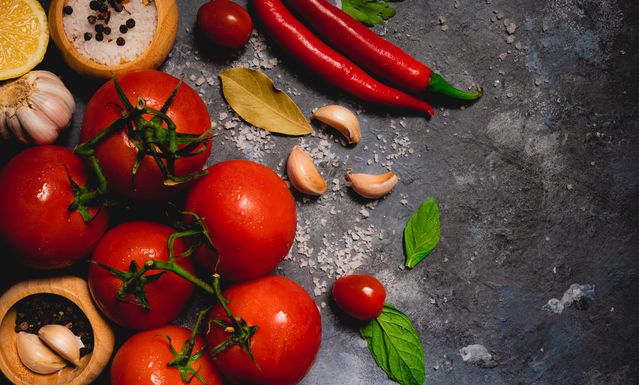
Why Cook With Seasonal Ingredients?
Seasonal ingredients can make everyday cooking more enjoyable while helping you create a varied diet.
Here are some benefits of seasonal cooking:
- Fresh flavors: Produce harvested at the right time can have appealing flavor and texture.
- More variety: Changing ingredients throughout the year encourages you to try different foods and recipes.
- Budget-friendly choices: Seasonal produce may cost less when it is readily available.
- Less food waste: Planning meals around ingredients you can use in several recipes helps reduce leftovers.
- Support for local producers: Buying locally grown seasonal produce, when available, can help support nearby farms and markets.
Seasonal availability varies by climate and region. In some places, strawberries are a summer fruit, while in others they may be available earlier. Frozen fruits and vegetables can also be useful options when fresh produce is expensive or difficult to find.
Spring Recipes With Fresh Greens and Herbs
Spring is a great time to prepare lighter meals featuring leafy greens, peas, radishes, asparagus, and fresh herbs. These ingredients work well in salads, soups, omelets, and simple pasta dishes.
Spring Vegetable and Herb Salad
Ingredients:
- 2 cups mixed leafy greens
- 1 cup cooked green peas
- 4–5 radishes, thinly sliced
- 1 cup lightly cooked asparagus pieces
- 2 tablespoons chopped parsley or dill
- 2 tablespoons olive oil
- 1 tablespoon lemon juice
- Salt and black pepper to taste
Instructions:
- Wash and dry the leafy greens and radishes.
- Cook the asparagus until tender but still slightly crisp, then allow it to cool.
- Combine the greens, peas, radishes, asparagus, and herbs in a bowl.
- Mix the olive oil, lemon juice, salt, and pepper in a small container.
- Pour the dressing over the salad and toss gently before serving.
For a more filling meal, add boiled eggs, chickpeas, grilled chicken, or crumbled cheese.
Creamy Spring Pea Soup
Ingredients:
- 2 cups green peas, fresh or frozen
- 1 small onion, chopped
- 1 medium potato, diced
- 3 cups vegetable broth
- 1 tablespoon olive oil
- A handful of fresh mint or parsley
- Salt and pepper to taste
Instructions:
- Heat the olive oil in a saucepan and cook the onion until softened.
- Add the potato and vegetable broth. Simmer until the potato is tender.
- Add the peas and cook for another 3–5 minutes.
- Blend until smooth, adding a little water or broth if needed.
- Stir in chopped herbs, season to taste, and serve warm.
This soup works well as a light lunch or as a starter for dinner.
Summer Recipes With Tomatoes, Berries, and Zucchini
Summer produce is ideal for quick meals that require minimal cooking. Tomatoes, cucumbers, zucchini, peppers, peaches, and berries can be used in salads, cold dishes, grilled meals, and simple desserts.
Fresh Tomato and Cucumber Salad
Ingredients:
- 3 ripe tomatoes
- 1 cucumber
- 1 small red onion
- A handful of fresh basil or parsley
- 2 tablespoons olive oil
- 1 tablespoon lemon juice or vinegar
- Salt and black pepper to taste
Instructions:
- Cut the tomatoes and cucumber into bite-sized pieces.
- Thinly slice the onion and chop the herbs.
- Combine the vegetables in a bowl.
- Add the olive oil, lemon juice or vinegar, salt, and pepper.
- Toss gently and serve immediately.
For extra protein, add chickpeas, white beans, or feta cheese. Serve with whole-grain bread for a simple lunch.
Grilled Zucchini With Garlic and Herbs
Ingredients:
- 2 medium zucchini
- 1 tablespoon olive oil
- 1 garlic clove, finely chopped
- 1 tablespoon chopped parsley
- 1 teaspoon lemon juice
- Salt and pepper to taste
Instructions:
- Slice the zucchini lengthwise into thin strips.
- Brush both sides lightly with olive oil and season with salt and pepper.
- Grill for approximately 3–5 minutes per side, depending on thickness, until tender with light grill marks.
- Mix the garlic, parsley, and lemon juice.
- Spoon the herb mixture over the zucchini before serving.
This dish works as a side for grilled fish, chicken, tofu, or other vegetables.
Fresh Berry Yogurt Bowl
Ingredients:
- 1 cup plain yogurt
- ½ cup fresh strawberries
- ½ cup blueberries or other seasonal berries
- 2 tablespoons rolled oats or granola
- 1 teaspoon honey, optional
Instructions:
- Wash the berries and cut larger ones into smaller pieces.
- Spoon the yogurt into a bowl.
- Add the berries and oats or granola.
- Drizzle with honey if desired.
This quick breakfast or snack combines fruit, protein, and fiber without requiring cooking.
Autumn Recipes With Pumpkin, Apples, and Root Vegetables
Autumn brings ingredients that are well suited to roasting, baking, and preparing comforting meals. Pumpkin, squash, carrots, beets, apples, and pears can add flavor and variety to both sweet and savory dishes.
Roasted Pumpkin and Carrot Soup
Ingredients:
- 3 cups pumpkin, peeled and cubed
- 2 carrots, chopped
- 1 small onion, chopped
- 3 cups vegetable broth
- 1 tablespoon olive oil
- ½ teaspoon ground cumin, optional
- Salt and pepper to taste
Instructions:
- Preheat the oven to 200°C (400°F).
- Place the pumpkin and carrots on a baking tray, drizzle with olive oil, and season lightly.
- Roast for approximately 25–35 minutes, until tender.
- In a saucepan, cook the onion until softened.
- Add the roasted vegetables, broth, and cumin.
- Simmer for five minutes, then blend until smooth.
- Adjust the seasoning and serve warm.
For a creamier texture, add a little milk or an unsweetened plant-based alternative.
Baked Apples With Cinnamon and Oats
Ingredients:
- 2 large apples
- 4 tablespoons rolled oats
- 1 tablespoon chopped walnuts, optional
- ½ teaspoon ground cinnamon
- 1 teaspoon honey or maple syrup, optional
- 2 tablespoons water
Instructions:
- Preheat the oven to 180°C (350°F).
- Remove the apple cores, leaving the bottoms intact.
- Mix the oats, walnuts, cinnamon, and optional sweetener.
- Fill the apples with the mixture and place them in a baking dish.
- Add the water to the bottom of the dish.
- Bake for approximately 25–35 minutes, until the apples are tender.
Serve warm on its own or with plain yogurt.
Winter Recipes With Cabbage, Potatoes, and Citrus
Winter cooking often benefits from ingredients that store well, such as cabbage, potatoes, carrots, onions, and root vegetables. Citrus fruits can add freshness to meals during colder months.
Hearty Vegetable and Bean Stew
Ingredients:
- 1 can white beans, drained and rinsed
- 2 carrots, diced
- 2 medium potatoes, diced
- 1 onion, chopped
- 2 cups chopped cabbage
- 1 can chopped tomatoes
- 3 cups vegetable broth
- 1 tablespoon olive oil
- 1 teaspoon dried thyme
- Salt and pepper to taste
Instructions:
- Heat the olive oil in a large pot and cook the onion until softened.
- Add the carrots and potatoes and stir for a few minutes.
- Add the cabbage, tomatoes, broth, and thyme.
- Bring to a boil, then reduce the heat and simmer for approximately 20–25 minutes, until the vegetables are tender.
- Add the beans and cook for another five minutes.
- Season to taste and serve warm.
You can replace white beans with chickpeas or lentils and adjust the vegetables according to what is available.
Citrus and Carrot Salad
Ingredients:
- 2 carrots, grated
- 1 orange, peeled and cut into pieces
- 1 tablespoon olive oil
- 1 tablespoon lemon juice
- 1 tablespoon chopped parsley
- 1 tablespoon sunflower seeds, optional
Instructions:
- Place the grated carrots and orange pieces in a bowl.
- Whisk the olive oil and lemon juice together.
- Pour the dressing over the salad.
- Add the parsley and sunflower seeds, then toss gently.
This bright, refreshing side dish pairs well with roasted vegetables, fish, or grain-based meals.
How to Plan Meals Around Seasonal Produce
Cooking with seasonal ingredients becomes easier when you have a flexible plan. Instead of buying produce first and wondering how to use it later, choose a few recipes before visiting the market or grocery store.
|
Step |
What to do |
Example |
|
Check what is in season |
Look for locally available produce |
Choose ripe tomatoes in summer |
|
Pick a few recipes |
Plan meals that share ingredients |
Use carrots in soup and salad |
|
Make a shopping list |
Buy only what you need |
Include vegetables, grains, and protein |
|
Prepare ingredients |
Wash, chop, or cook selected items |
Roast a tray of vegetables |
|
Store food properly |
Refrigerate or freeze ingredients as appropriate |
Freeze extra soup in portions |
Buy Only What You Can Use
Fresh produce can spoil quickly, especially when the weather is warm. Start with a manageable amount and plan to use delicate ingredients such as leafy greens and berries earlier in the week.
Combine Fresh and Frozen Ingredients
Frozen vegetables and fruits are convenient alternatives when fresh options are unavailable or expensive. They can be used in soups, smoothies, stews, and baked dishes.
Keep a Few Pantry Staples
Rice, oats, pasta, canned beans, lentils, canned tomatoes, and cooking oils make it easier to turn seasonal ingredients into complete meals without additional shopping.
Be Flexible With Recipes
Recipes are guides, not strict rules. If a recipe calls for asparagus but you have green beans, you can often substitute one for the other. Adjust seasonings and cooking times as needed.
Tips for Getting the Best Results From Fresh Ingredients
A few simple techniques can help preserve the flavor and texture of seasonal produce.
- Wash produce before preparing it. Rinse fruits and vegetables under running water before cutting or eating them.
- Avoid overcooking vegetables. Steaming, roasting, and quick sautéing can help maintain appealing textures.
- Use herbs and citrus. Fresh parsley, basil, dill, lemon, and orange can add flavor without requiring complicated sauces.
- Store ingredients appropriately. Some produce, such as leafy greens, benefits from refrigeration, while certain tomatoes may taste better when stored at room temperature until ripe.
- Taste as you cook. Adjust salt, pepper, acidity, and herbs gradually to suit the ingredients.
- Make use of leftovers. Add extra roasted vegetables to an omelet, use leftover beans in a salad, or turn cooked vegetables into soup.
The goal is to make cooking enjoyable and practical. You do not need special equipment or professional techniques to prepare delicious seasonal meals.

Conclusion
Seasonal recipes offer a simple way to enjoy fresh ingredients, explore different flavors, and bring variety to everyday meals. From spring salads and summer vegetable dishes to autumn soups and winter stews, each season provides opportunities to try something new.
Start by choosing a few ingredients that are readily available, plan recipes around them, and keep your cooking methods simple. Combine fresh produce with pantry staples, adapt recipes to your preferences, and store leftovers safely.
With a little planning, seasonal cooking can become an enjoyable routine that supports balanced eating and makes everyday meals more interesting.
Frequently Asked Questions
Store produce according to its needs, keep refrigerated foods at a safe temperature, and use delicate ingredients before sturdier ones. Plan meals around what needs to be eaten first, and freeze suitable ingredients or prepared dishes when you cannot use them in time.


Was This Article Helpful?
Click on a star to rate it!
Thank you for your vote!
Average Rating: 0/5 Votes: 0
Be the first to rate this post!

Expert in backend development and database architecture. Specializes in building, optimizing, and maintaining scalable PHP applications, designing efficient database structures, and ensuring data integrity and performance. Experienced in working with relational databases, writing optimized queries, and integrating backend systems with APIs and business logic to support reliable, high-performance web solutions.
View LinkedIn ProfileLatest Posts

Exploring Global Cooking Traditions
Seasonal Recipes Using Fresh Ingredients

Long-Distance Relationship Strategies