Ethical Treatment of Animals in Agriculture
The ethical treatment of animals in agriculture is a topic that combines concerns about food production, animal welfare, environmental sustainability, and economic realities. As global demand for food continues to grow, farmers, consumers, governments, and researchers are increasingly discussing how animals can be raised in ways that minimize suffering while maintaining productive agricultural systems.
Ethical agriculture does not necessarily mean eliminating animal farming; rather, it focuses on ensuring that animals are treated with care, respect, and consideration throughout their lives.
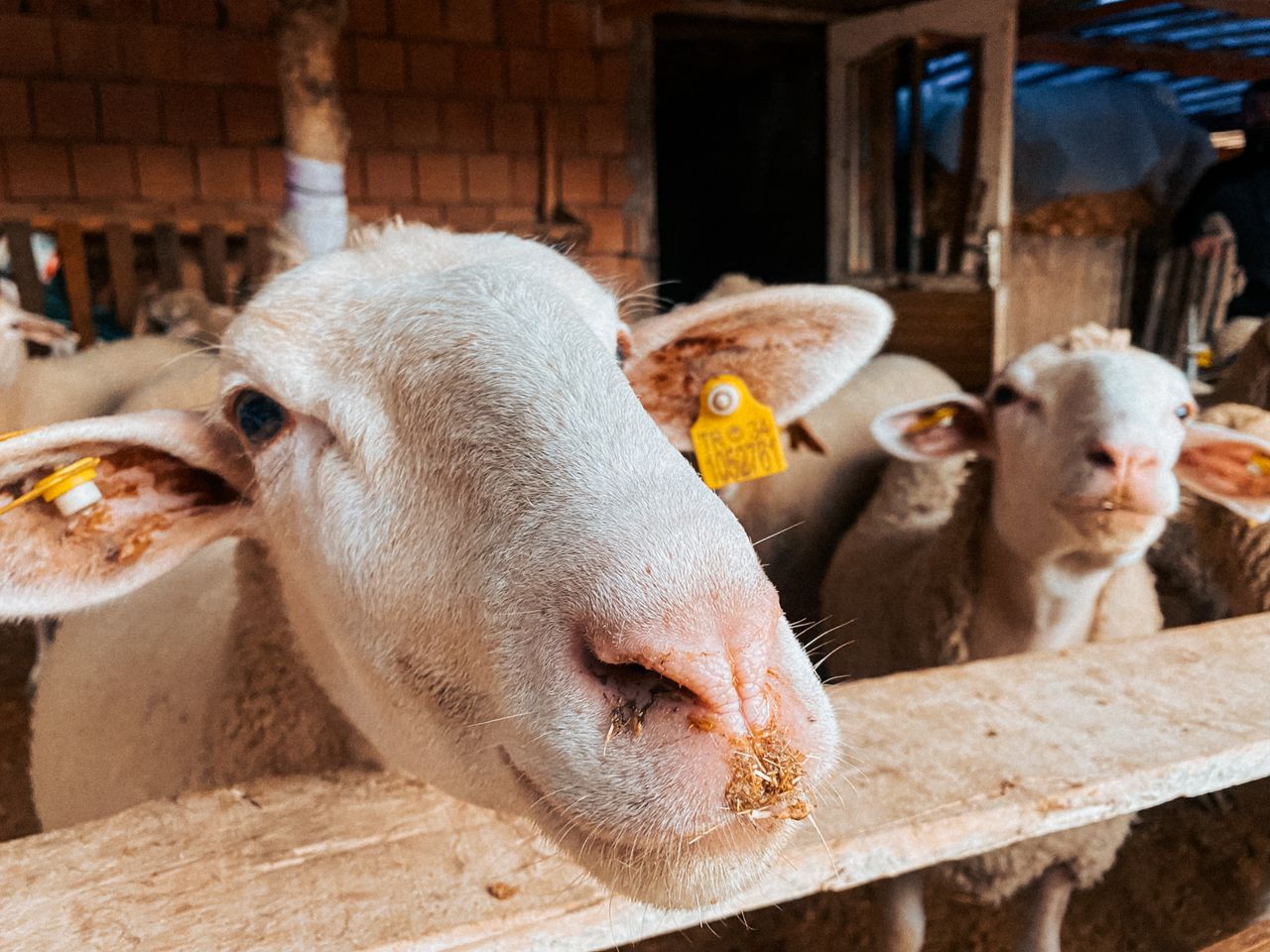
What Is Animal Welfare in Agriculture?
Animal welfare refers to the physical and psychological well-being of animals raised for food, fiber, or other agricultural purposes.
Good animal welfare generally includes:
- Access to adequate food and water
- Comfortable living conditions
- Protection from unnecessary pain and injury
- Opportunities to express natural behaviors
- Humane handling and transportation
- Appropriate veterinary care
Why Ethical Treatment Matters
Concerns about animal welfare have grown for several reasons:
- Greater public awareness of farming practices
- Scientific research on animal behavior and welfare
- Consumer interest in ethically produced food
- Links between animal welfare, food quality, and farm management
- Broader discussions about sustainability and ethics
Many people believe that animals used in agriculture should be protected from unnecessary suffering and treated humanely throughout their lives.
Key Principles of Ethical Animal Agriculture
Proper Nutrition and Clean Water
Animals should have consistent access to nutritious feed and clean drinking water appropriate for their species and stage of life.
Safe and Comfortable Housing
Ethical farming systems aim to provide environments that protect animals from extreme weather, overcrowding, and unsafe conditions.
Health Care and Disease Prevention
Regular veterinary care, vaccinations, and disease management help maintain animal health and reduce suffering.
Humane Handling
Farm workers are encouraged to use low-stress handling techniques that reduce fear and injury during daily care, transportation, and other activities.
Natural Behaviors and Enrichment
Many animal welfare experts emphasize the importance of allowing animals to express behaviors that are natural for their species.
Examples include:
|
Animal |
Natural Behaviors |
|
Cattle |
Grazing and social interaction |
|
Pigs |
Rooting and exploring |
|
Chickens |
Perching, scratching, and dust bathing |
|
Sheep |
Grazing and flocking |
Challenges in Modern Agriculture
Providing high welfare standards can be complex because farms must balance:
- Animal welfare
- Food affordability
- Farmer livelihoods
- Environmental impacts
- Production efficiency
Different farming systems may approach these goals in different ways.
Certification and Welfare Standards
Many countries and organizations have developed animal welfare standards and certification programs.
These programs may evaluate factors such as:
- Housing conditions
- Space allowances
- Access to outdoors
- Handling practices
- Transportation procedures
- Health management
The Role of Consumers
Consumers can influence agricultural practices through their purchasing choices and interest in production methods.
Common considerations include:
- How animals were raised
- Whether welfare standards were followed
- Environmental sustainability
- Support for local or responsibly managed farms
Technology and Animal Welfare
Modern technology is increasingly being used to improve animal care.
Examples include:
- Health-monitoring sensors
- Automated feeding systems
- Climate-controlled housing
- Early disease detection tools
- Data systems that track animal well-being
These tools can help farmers identify problems earlier and improve overall welfare management.
Environmental Connections
Animal welfare is often discussed alongside environmental sustainability.
Well-managed agricultural systems may aim to:
- Protect soil and water resources
- Reduce pollution
- Manage grazing responsibly
- Improve resource efficiency
- Support long-term farm resilience
Global Perspectives
Views on ethical animal treatment can vary across cultures, regions, and farming traditions. However, there is growing international interest in improving animal welfare standards and sharing best practices.
The Future of Ethical Agriculture
Future developments may include:
- Stronger welfare standards
- More transparent supply chains
- Improved monitoring technologies
- Greater consumer awareness
- Research into welfare-friendly farming systems
Many experts believe that continued innovation and collaboration can help improve both animal welfare and agricultural sustainability.
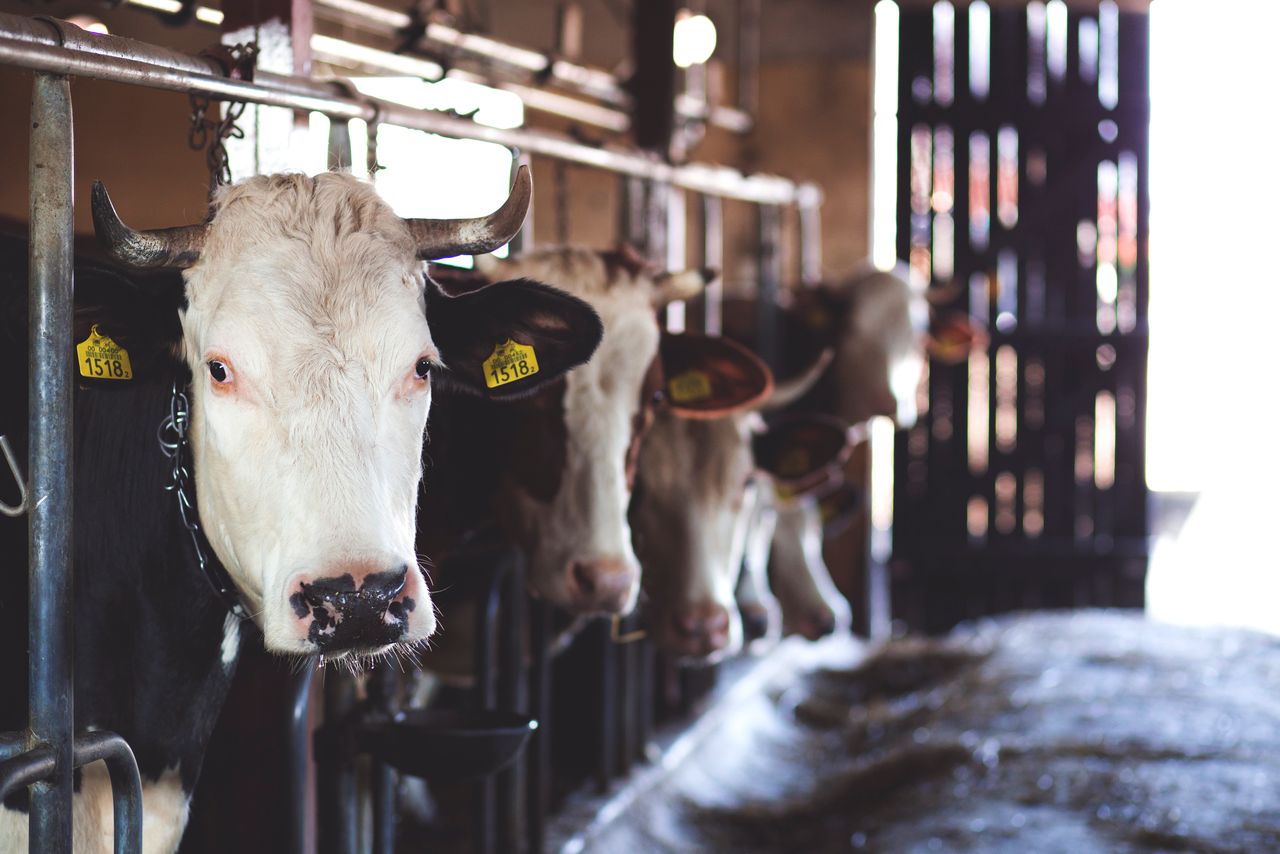
Conclusion
Ethical treatment of animals in agriculture focuses on providing humane care, reducing unnecessary suffering, and respecting the well-being of animals used in food production. Through proper nutrition, health care, humane handling, and opportunities for natural behavior, farmers and agricultural systems can work toward higher welfare standards.
As public awareness grows, the conversation around ethical agriculture is likely to remain an important part of discussions about food, sustainability, and responsible farming.
Frequently Asked Questions
Consumers can learn about production methods, support responsible farms, and consider animal welfare when making food choices.


Was This Article Helpful?
Click on a star to rate it!
Thank you for your vote!

Average Rating: 0/5 Votes: 0
Be the first to rate this post!

Strong engineering background in mobile and backend development. Focusing on building scalable products, improving development processes — from architecture and APIs to UX redesigns, monetization, and analytics. Responsible for applications with 1M+ downloads and multi-project ecosystems.
View LinkedIn ProfileLatest Posts

How Individuals Can Support Animal Protection: Simple Actions That Create Change

The Role of Consumers in Sustainability: How Everyday Choices Can Create Change
Human Rights Challenges in Conflict Zones: Protecting People During Crisis