Transport Policy Changes and Their Impact
Transport policies influence how people travel, how businesses move goods, and how cities develop. Governments introduce new transportation rules and initiatives to improve road safety, reduce congestion, support public transit, and limit environmental damage. These changes can affect everything from the cost of a daily commute to the way companies organize deliveries.
As cities grow and transportation technology evolves, policymakers face the challenge of balancing affordability, accessibility, economic growth, and environmental responsibility. Understanding the potential effects of transport policy changes helps individuals, businesses, and communities prepare for new requirements and opportunities.
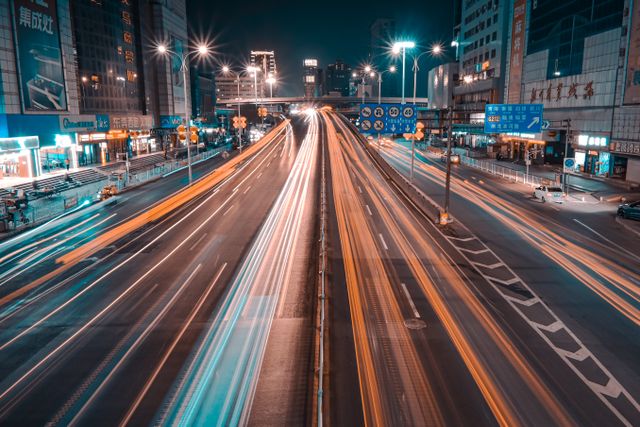
What Are Transport Policy Changes?
Transport policy changes are updates to laws, regulations, funding priorities, or public programs that shape how transportation systems operate. They can apply to private vehicles, public transportation, freight services, cycling, walking, and emerging mobility options.
Common examples include:
- Changes to fuel taxes, tolls, and parking fees.
- New emissions standards for vehicles.
- Investment in buses, trains, and other public transit.
- Low-emission zones and congestion charges.
- Updated road safety rules and speed limits.
- Incentives for electric vehicles and charging infrastructure.
- Regulations for ride-hailing, shared mobility, and autonomous vehicles.
Some policies are introduced nationally, while others are implemented by regional authorities or individual cities. Their effects depend on local infrastructure, available alternatives, enforcement, and the needs of the population.
The Impact on Everyday Commuters
Transport policy changes can directly affect how people travel to work, school, healthcare appointments, and other destinations.
For example, expanded bus services or more frequent trains may make commuting easier and reduce dependence on private cars. Better cycling infrastructure and safer pedestrian routes can give residents additional travel options, especially for shorter journeys.
However, changes can also create challenges. Higher parking fees, congestion charges, or fuel taxes may increase travel costs for people who have limited alternatives to driving.
The impact often differs between urban and rural communities. Residents of well-connected cities may be able to switch to public transit, while people in rural areas may have fewer practical options.
To make transportation policies more equitable, authorities can consider discounted transit passes, accessible vehicles, improved service outside city centers, and targeted support for lower-income households.
Environmental Benefits and Challenges
Environmental concerns are an important reason governments revise transportation policies. Road traffic contributes to air pollution, greenhouse gas emissions, and noise, particularly in densely populated areas.
Policies that encourage public transportation, walking, cycling, and lower-emission vehicles can help reduce these effects.
Examples include:
- Expanding public transit networks.
- Supporting electric vehicle adoption.
- Introducing low-emission zones.
- Improving pedestrian and cycling infrastructure.
- Encouraging more efficient freight transportation.
The results depend on how these measures are implemented. Electric vehicles, for instance, produce no tailpipe emissions, but their overall environmental impact also depends on electricity generation, battery production, and vehicle manufacturing.
Similarly, improving public transportation may not significantly reduce car use unless services are reliable, affordable, and convenient enough to attract passengers.
Successful environmental policies therefore combine cleaner technologies with practical alternatives to high-emission travel.
How Transport Policies Affect Businesses
Transportation rules influence operating costs, delivery schedules, workforce mobility, and long-term investment decisions.
Freight companies may need to adapt to emissions requirements, toll changes, or restrictions on vehicle access in certain areas. Retailers and manufacturers can also be affected when delivery routes become longer or traffic restrictions change the timing of shipments.
At the same time, better transport infrastructure can create business opportunities. Reliable public transit can help employees reach workplaces, while improved roads, railways, and freight terminals can support trade and distribution.
Businesses can prepare for policy changes by reviewing delivery routes, monitoring regulatory updates, evaluating fleet efficiency, and considering alternative transportation options.
The following table summarizes some common policy changes and their potential effects.
|
Policy Change |
Potential Benefits |
Possible Challenges |
|
Public transit investment |
More travel options and improved access to jobs |
High initial costs and construction disruption |
|
Congestion charges |
Less traffic in targeted areas |
Higher costs for some drivers and businesses |
|
Vehicle emissions standards |
Cleaner vehicles and improved air quality |
Compliance and vehicle replacement costs |
|
Electric vehicle incentives |
Greater adoption of lower-tailpipe-emission vehicles |
Uneven access to charging and purchase incentives |
|
Cycling and pedestrian infrastructure |
Safer active travel and reduced car dependence |
Space constraints and changes to road layouts |
|
Freight regulations |
More efficient and potentially cleaner logistics |
Route changes and higher operating costs |
Public Transportation and Urban Development
Transport policy can shape how cities grow. When housing, employment, and essential services are connected by reliable public transportation, residents may have more choices about where to live and how to travel.
Transit-oriented development is one approach that combines public transportation with housing, offices, shops, and services within convenient walking distance of stations or stops.
This approach can support more compact urban development and reduce the need for some car journeys. It may also improve access to employment and education for people who do not own a vehicle.
However, investment in transit-accessible neighborhoods can increase property demand and housing costs. Without appropriate housing policies, some existing residents may struggle to remain in areas that become more desirable.
Coordinating transport planning with affordable housing, accessible public spaces, and local services can help ensure that improvements benefit a broad range of residents.
Road Safety and Traffic Regulations
Road safety is another major driver of transport policy reform. Governments may update speed limits, introduce stricter penalties for dangerous driving, improve pedestrian crossings, or require additional vehicle safety technology.
Infrastructure changes can be just as important as new rules. Protected cycle lanes, better lighting, redesigned intersections, and safer school zones can reduce conflicts between different road users.
The effectiveness of these measures depends on road design, enforcement, public awareness, and consistent implementation.
For example, lowering speed limits may reduce the severity of collisions, but drivers also need clear signs and road layouts that encourage appropriate speeds. Likewise, cycling policies are more effective when bike lanes form a connected network rather than isolated sections.
Evaluating collision data, traffic speeds, and pedestrian safety before and after changes helps authorities understand which measures are working.
Technology and the Future of Transport Policy
New technologies are creating additional questions for transportation policymakers. Electric vehicles, connected traffic systems, ride-hailing platforms, shared bicycles, and autonomous vehicles all influence how people and goods move.
Digital traffic management systems can help authorities respond to congestion and adjust signals to changing traffic conditions. Real-time public transit information can help passengers plan journeys, while digital ticketing may simplify access to transport services.
However, technology also introduces challenges involving privacy, cybersecurity, accessibility, and regulation. Not everyone has a smartphone, reliable internet access, or the ability to use digital-only services.
Policies should therefore ensure that technological improvements remain accessible and that essential services continue to accommodate people with different needs.
How Communities Can Adapt to Transport Policy Changes
Transport policy works best when people understand why changes are being introduced and how they will affect daily life.
Residents can prepare by following local announcements, reviewing alternative routes, checking public transit options, and understanding any new parking or access requirements.
Businesses can assess whether changes affect employee commuting, delivery schedules, vehicle fleets, or customer access. Community groups can also provide feedback on proposed measures, especially when policies may affect people with disabilities, older residents, or households with limited transportation options.
Authorities can support smoother transitions through clear communication, public consultations, trial periods, and regular evaluation. Publishing measurable results can help communities see whether policies are reducing congestion, improving safety, or making transportation more accessible.
Conclusion
Transport policy changes influence much more than the roads people use. They affect household budgets, business operations, air quality, road safety, and the development of cities and towns.
Well-designed policies can create safer streets, more reliable public transportation, and cleaner travel options. Poorly planned changes, however, may increase costs or place a disproportionate burden on people who have few alternatives.
The most effective approach combines clear goals, practical infrastructure, public participation, and ongoing evaluation. By considering economic, environmental, and social effects together, policymakers can build transportation systems that better serve both current and future generations.
Frequently Asked Questions
Successful policies address a clearly defined problem, consider affordability and accessibility, provide practical alternatives, involve affected communities, and measure results over time. Coordination between transportation, housing, environmental, and economic planning can also improve outcomes.


Was This Article Helpful?
Click on a star to rate it!
Thank you for your vote!
Average Rating: 0/5 Votes: 0
Be the first to rate this post!

Expert in backend development and database architecture. Specializes in building, optimizing, and maintaining scalable PHP applications, designing efficient database structures, and ensuring data integrity and performance. Experienced in working with relational databases, writing optimized queries, and integrating backend systems with APIs and business logic to support reliable, high-performance web solutions.
View LinkedIn ProfileLatest Posts
Transport Policy Changes and Their Impact

Smart Devices for Home Security

Innovation Strategies for Businesses