Smart Traffic Management Technologies: Creating Safer and More Efficient Roads
Rapid urban growth has increased traffic congestion, travel delays, and pressure on transportation systems. Smart traffic management technologies are helping cities address these challenges by using sensors, artificial intelligence, data analytics, and connected systems to improve how roads are monitored and managed.
These innovations are transforming traditional transportation networks into intelligent systems that can respond to changing conditions in real time.
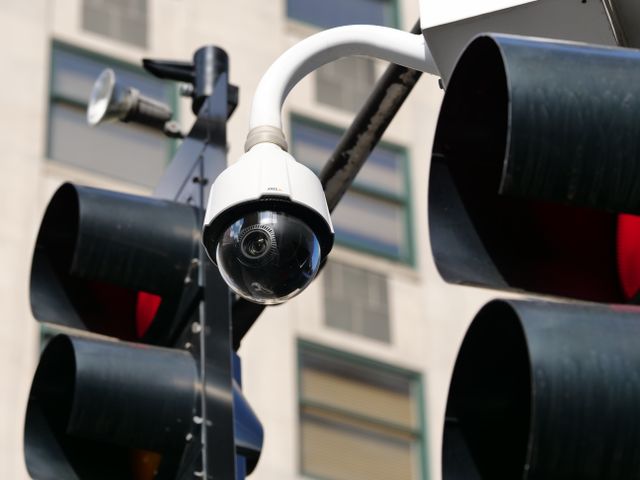
What Is Smart Traffic Management?
Smart traffic management uses advanced technologies to collect, analyze, and respond to transportation data.
The main goals are to:
- Reduce traffic congestion
- Improve road safety
- Shorten travel times
- Reduce fuel consumption
- Support sustainable transportation
Unlike traditional traffic systems that rely on fixed schedules, smart systems can adjust based on real-time information.
Artificial Intelligence in Traffic Control
Artificial intelligence (AI) plays a major role in modern traffic management.
AI systems can:
- Analyze traffic patterns
- Predict congestion
- Adjust traffic signals automatically
- Identify accidents
- Optimize vehicle movement
By processing large amounts of data quickly, AI helps cities make faster and more effective transportation decisions.
Smart Traffic Signals
Traditional traffic lights often operate on fixed timing schedules. Smart traffic signals use sensors and cameras to adjust signal timing based on actual traffic conditions.
Benefits include:
- Reduced waiting times
- Smoother traffic flow
- Better emergency vehicle access
- Lower fuel consumption
Adaptive signals can prioritize traffic based on demand rather than following preset schedules.
Traffic Monitoring Sensors
Sensors provide real-time information about road conditions.
Common sensor technologies include:
- Cameras
- Radar systems
- Road detectors
- GPS data
- Vehicle counting systems
This information helps transportation authorities understand traffic volume, speed, and incidents.
|
Technology |
Function |
Main Benefit |
|
AI traffic systems |
Analyze and predict traffic conditions |
Better decision-making |
|
Smart signals |
Adjust traffic lights automatically |
Reduced congestion |
|
Connected vehicles |
Share road information |
Improved safety |
|
Traffic sensors |
Monitor road conditions |
Real-time awareness |
|
Smart parking systems |
Manage parking availability |
Less time searching for spaces |
Connected Vehicle Technology
Connected vehicles communicate with other vehicles, traffic infrastructure, and transportation networks.
This technology can help with:
- Collision warnings
- Traffic updates
- Route optimization
- Road hazard alerts
Vehicle-to-everything (V2X) communication is expected to play an important role in future transportation systems.
Smart Navigation and Route Optimization
Navigation systems now use real-time data to recommend better routes.
They consider:
- Traffic congestion
- Road closures
- Accidents
- Weather conditions
- Travel patterns
Dynamic routing helps drivers avoid delays and improves overall traffic efficiency.
Smart Parking Systems
Finding available parking spaces contributes significantly to urban congestion.
Smart parking technologies use:
- Sensors
- Mobile applications
- Digital payment systems
- Real-time availability information
These systems help drivers locate parking faster and reduce unnecessary driving.
Automated Incident Detection
Quickly identifying accidents and road problems is essential for public safety.
Smart systems can detect:
- Vehicle collisions
- Road blockages
- Dangerous driving conditions
- Traffic slowdowns
Faster detection allows emergency teams to respond more quickly and restore normal traffic flow.
Public Transportation Optimization
Smart traffic technologies also improve buses, trains, and other public transport systems.
Applications include:
- Real-time arrival information
- Intelligent scheduling
- Route optimization
- Passenger tracking systems
Better public transportation can reduce private vehicle use and improve urban mobility.
Data Analytics for Urban Planning
Transportation data helps cities make better long-term decisions.
Authorities can analyze:
- Travel patterns
- Peak congestion times
- Accident locations
- Public transport usage
This information supports better road design and infrastructure investments.
Benefits of Smart Traffic Management
Smart transportation systems provide several advantages:
Reduced Congestion
Real-time adjustments help vehicles move more efficiently.
Improved Safety
Connected systems can warn drivers and identify dangerous situations.
Lower Environmental Impact
Smoother traffic flow reduces fuel use and emissions.
Better Travel Experiences
Drivers and passengers benefit from more predictable journeys.
Challenges of Smart Traffic Technologies
Despite their advantages, smart traffic systems face challenges.
Major concerns include:
- High installation costs
- Data privacy issues
- Cybersecurity risks
- Infrastructure upgrades
- Technology maintenance
Cities must carefully manage these challenges to ensure reliable and secure systems.
The Future of Smart Transportation
Future traffic systems may include:
- Fully connected road networks
- More autonomous vehicles
- AI-powered city transportation platforms
- Advanced traffic prediction models
- Integration with smart city systems
As technology develops, transportation will become more responsive, efficient, and environmentally friendly.
Conclusion
Smart traffic management technologies are changing how cities handle transportation challenges. Through artificial intelligence, sensors, connected vehicles, and real-time data analysis, these systems help reduce congestion, improve safety, and create more efficient road networks.
As urban populations continue to grow, intelligent transportation solutions will become increasingly important for building safer, cleaner, and more connected cities.
Frequently Asked Questions
Security is a major consideration. Cities must use strong cybersecurity measures to protect transportation networks and data.


Was This Article Helpful?
Click on a star to rate it!
Thank you for your vote!

Average Rating: 0/5 Votes: 0
Be the first to rate this post!

Expert in backend development and database architecture. Specializes in building, optimizing, and maintaining scalable PHP applications, designing efficient database structures, and ensuring data integrity and performance. Experienced in working with relational databases, writing optimized queries, and integrating backend systems with APIs and business logic to support reliable, high-performance web solutions.
View LinkedIn ProfileLatest Posts

How Individuals Can Support Animal Protection: Simple Actions That Create Change

The Role of Consumers in Sustainability: How Everyday Choices Can Create Change

Human Rights Challenges in Conflict Zones: Protecting People During Crisis