Infrastructure Projects Transforming Transport
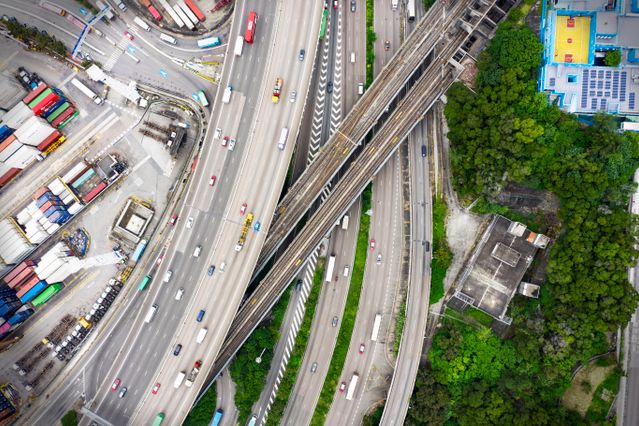
Transport infrastructure is easy to take for granted. Roads, bridges, railways, ports, airports, and transit networks quietly connect people with jobs, businesses with customers, and cities with one another.
As populations grow and travel patterns change, many regions are investing in new infrastructure and upgrading existing systems. These projects can improve capacity, reduce travel times, support economic activity, and prepare transport networks for new technologies.
High-Speed Rail Networks
High-speed rail is one of the most significant infrastructure investments in many parts of the world.
Modern rail lines can connect major cities while offering an alternative to road and air travel for certain journeys. New tracks, upgraded stations, electrification systems, and signaling technologies can increase capacity and improve reliability.
Rail infrastructure can also support development around stations, where businesses and residential areas may benefit from improved connections.
Smart Roads and Connected Highways
Road infrastructure is becoming increasingly digital.
Smart highways can incorporate sensors, cameras, traffic monitoring systems, electronic signs, and connected traffic controls. These technologies can help authorities monitor congestion, identify incidents, and provide drivers with updated information.
Some projects are also designed to support connected and automated vehicles by improving communication between vehicles and road infrastructure.
Expanding Public Transit
Growing cities often need more efficient ways to move large numbers of people.
Metro systems, light rail, bus rapid transit, and commuter rail can provide high-capacity alternatives to individual car travel.
Infrastructure improvements may include new stations, dedicated lanes, expanded routes, upgraded signaling, and integrated ticketing systems.
|
Infrastructure Project |
Primary Purpose |
Potential Benefit |
|
High-speed rail |
Connect major cities |
Faster intercity travel |
|
Metro and light rail |
Move people within urban areas |
Higher transit capacity |
|
Smart highways |
Manage road networks |
Better traffic monitoring |
|
Modern ports |
Handle freight efficiently |
Improved logistics |
|
Airport expansions |
Increase passenger capacity |
Better regional connectivity |
|
EV charging networks |
Support electric vehicles |
Greater charging access |
Electric Vehicle Charging Infrastructure
The growth of electric vehicles requires infrastructure beyond the vehicles themselves.
Public charging stations, highway fast chargers, workplace charging, residential systems, and charging hubs can make electric transportation more practical.
Infrastructure planning also needs to consider electricity demand, grid capacity, charger locations, and accessibility.
A charging network is most useful when drivers can reliably find suitable charging options along the routes they use.
Modernizing Ports and Freight Infrastructure
Transport infrastructure is not only about passengers.
Ports, rail freight networks, warehouses, distribution centers, and logistics hubs play a major role in moving goods between manufacturers, retailers, and customers.
Automation and digital management systems can help ports coordinate containers, equipment, vehicles, and shipping schedules.
Improved connections between ports, railways, and roads can also reduce bottlenecks across the wider supply chain.
Airport Infrastructure
Airports continue to invest in terminals, runways, baggage systems, security technologies, and passenger-processing systems.
Modern infrastructure can help airports manage increasing passenger volumes while improving how people move through terminals.
Digital check-in, biometric systems where permitted, automated baggage handling, and real-time flight information can also change the passenger experience.
Bridges and Tunnels
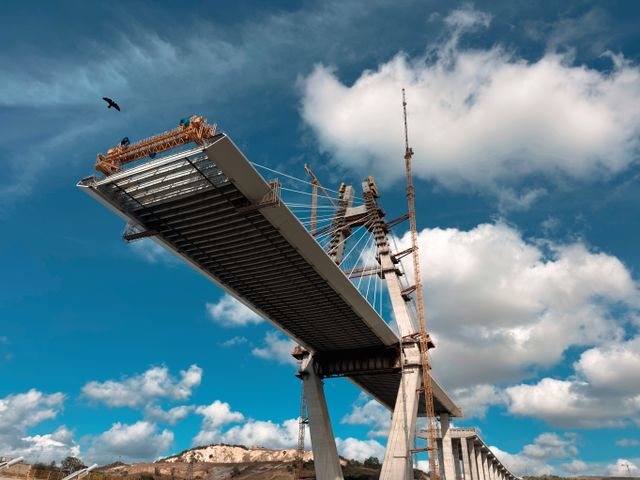
Major bridges and tunnels can remove geographic barriers and create new transport connections.
A new crossing can shorten routes, improve access between communities, or provide an alternative to an existing congested route.
However, these projects often require significant planning because construction can affect surrounding communities, ecosystems, traffic patterns, and existing infrastructure.
Sustainable Transport Infrastructure
Environmental considerations are increasingly part of transport planning.
Cities and regions may invest in bicycle lanes, pedestrian infrastructure, electric public transport, rail systems, and other alternatives to conventional car-dependent transportation.
Sustainable infrastructure is not limited to reducing emissions. Well-designed pedestrian and cycling networks can also improve accessibility and provide additional transportation choices.
Digital Infrastructure Meets Physical Transport
Modern transport systems increasingly depend on digital infrastructure.
Traffic management centers, navigation systems, connected vehicles, ticketing platforms, sensors, and logistics software all rely on data and communications networks.
This creates opportunities for better coordination but also increases the importance of cybersecurity, system reliability, and data management.
The Long-Term Impact of Infrastructure Investment
Large infrastructure projects can take years to plan and build, but their effects can last for decades.
Successful projects need to account for current demand while anticipating future population growth, technology changes, climate conditions, and shifts in travel behavior.
The challenge is not simply building more infrastructure. It is creating connected systems that work together.
Conclusion
Transport infrastructure is evolving from isolated roads, railways, airports, and ports into increasingly connected networks.
High-speed rail, smart highways, public transit, EV charging, modern logistics hubs, airports, bridges, and digital transport systems are all changing how people and goods move.
The most useful infrastructure projects are those designed with long-term capacity, accessibility, resilience, and changing transportation needs in mind.
Frequently Asked Questions
Roads, railways, ports, airports, warehouses, and logistics hubs work together to move goods. Improvements in one part of the network can affect the efficiency of the wider supply chain.


Was This Article Helpful?
Click on a star to rate it!
Thank you for your vote!

Average Rating: 5/5 Votes: 1
Be the first to rate this post!

Strong engineering background in mobile and backend development. Focusing on building scalable products, improving development processes — from architecture and APIs to UX redesigns, monetization, and analytics. Responsible for applications with 1M+ downloads and multi-project ecosystems.
View LinkedIn ProfileLatest Posts

Travel Photography Tips for Stunning Memories

The Rise of Cross-Platform Gaming

Esports Arenas and the Future of Competitive Gaming