How Smart Traffic Systems Are Reducing Congestion and Emissions
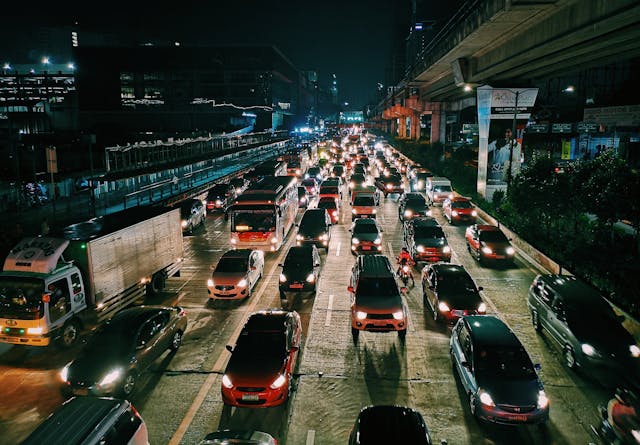
Urban traffic congestion has long been a source of frustration for drivers and a contributor to pollution. In response, cities around the world are turning to smart traffic systems — technology-driven solutions that optimize traffic flow, improve safety, and reduce emissions. By leveraging sensors, data analytics, and AI, these systems are transforming the way we move in 2025 and beyond.
What Are Smart Traffic Systems?
Smart traffic systems use connected technology to monitor, manage, and adjust traffic in real time. They include:
- Adaptive traffic lights that respond to vehicle flow
- Intelligent traffic cameras and sensors that detect congestion or accidents
- Vehicle-to-infrastructure (V2I) communication that helps cars navigate efficiently
- AI-powered traffic management platforms that analyze patterns and predict problem areas
Unlike traditional traffic systems, which operate on fixed schedules, smart systems adjust dynamically to current conditions, reducing delays and improving overall efficiency.
Reducing Congestion Through Real-Time Optimization
One of the main benefits of smart traffic systems is congestion reduction. By analyzing traffic in real time, adaptive traffic lights can:
- Prioritize lanes with heavier traffic
- Adjust signal timing during peak hours
- Coordinate intersections to create smoother traffic flow
Additionally, smart systems can reroute vehicles around congested areas, alerting drivers via navigation apps and connected car dashboards. Fewer idling vehicles mean less frustration and a more predictable commute.
Lowering Emissions and Environmental Impact
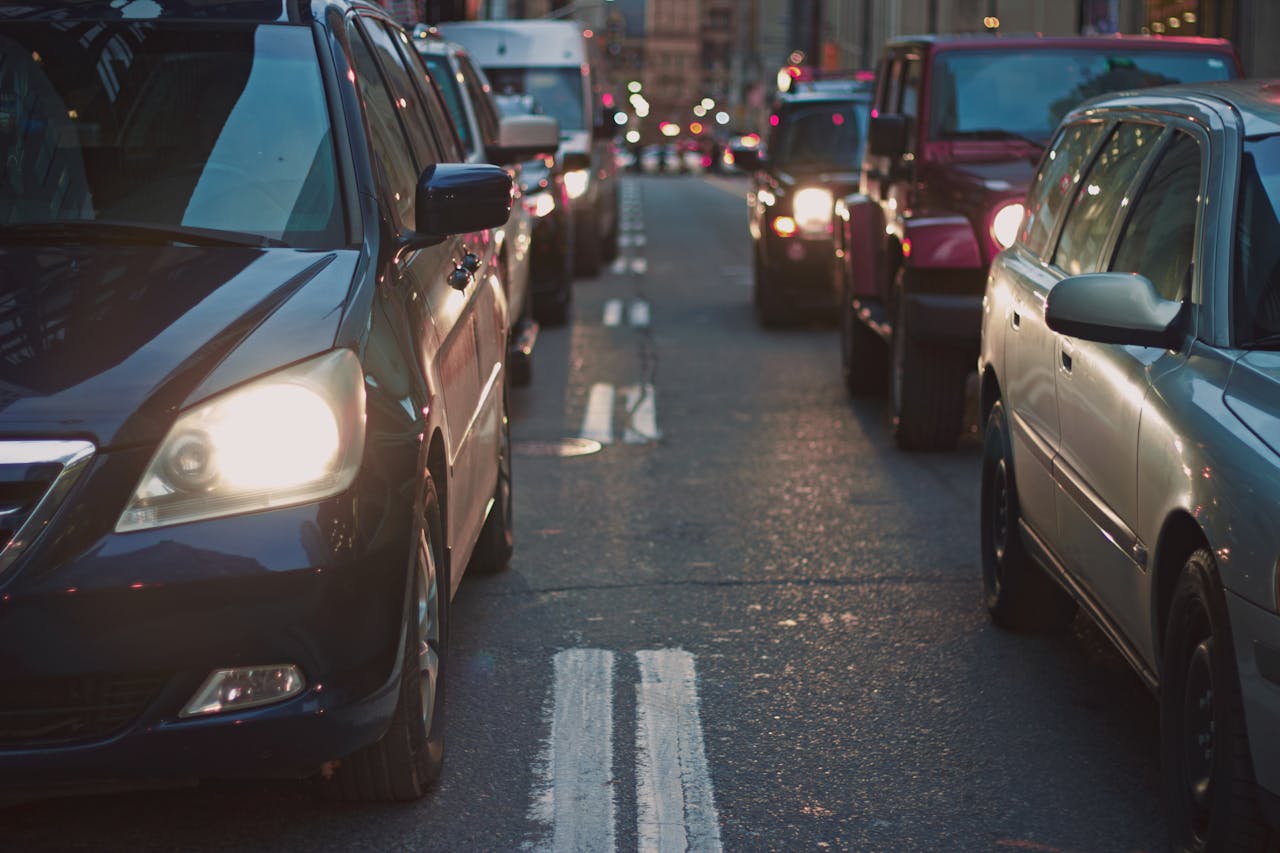
Traffic congestion is a major contributor to carbon emissions, as idling cars release pollutants and increase fuel consumption. Smart traffic systems help address this problem by:
- Reducing idle time through better traffic flow
- Encouraging efficient routing to minimize travel distance
- Supporting electric and autonomous vehicles with optimized routes and charging station integration
Cities using smart traffic solutions have reported measurable reductions in CO2 emissions and air pollution, contributing to cleaner urban environments.
Real-World Examples
Several cities are already reaping the benefits:
- Los Angeles uses AI-powered adaptive signals to manage heavy traffic, reducing travel times significantly.
- Singapore integrates V2I technology with real-time traffic monitoring to optimize flow and reduce congestion.
- Stockholm leverages data analytics and smart cameras to manage peak traffic and reduce emissions in the city center.
These examples demonstrate that technology-driven traffic management works when paired with city-wide planning and infrastructure upgrades.
Challenges and Considerations
While promising, implementing smart traffic systems comes with challenges:
- High initial costs for sensors, cameras, and AI platforms
- Data privacy concerns related to monitoring vehicles and driver behavior
- Integration with existing infrastructure, which can be complex in older cities
Despite these hurdles, the long-term benefits — reduced congestion, cleaner air, and safer roads — make the investment worthwhile for forward-thinking cities.
The Road Ahead
As cities grow and transportation demand increases, smart traffic systems will become critical to sustainable urban living. Integration with autonomous vehicles, public transit, and mobility apps will create a seamless, efficient, and eco-friendly traffic ecosystem.
By combining technology, data, and planning, smart traffic systems are helping cities move faster, cleaner, and smarter — reducing both congestion and emissions for a healthier urban future.


Was This Article Helpful?
Click on a star to rate it!
Thank you for your vote!

Average Rating: 4.5/5 Votes: 37
Be the first to rate this post!

Latest Posts

How Individuals Can Support Animal Protection: Simple Actions That Create Change

The Role of Consumers in Sustainability: How Everyday Choices Can Create Change
Human Rights Challenges in Conflict Zones: Protecting People During Crisis