Electric Public Transportation Systems: Powering Cleaner and Smarter Cities
Cities around the world are changing fast, and one of the biggest transformations is happening in public transportation. Electric public transportation systems—powered by batteries, electricity, and renewable energy—are reshaping how people move in urban environments.
From electric buses to metro systems and even electric ferries, this shift is reducing pollution, cutting costs, and making cities more livable.
Let’s explore how electric public transport is revolutionizing urban mobility.

What Are Electric Public Transportation Systems?
Electric public transportation systems use electricity instead of fossil fuels like diesel or petrol.
They include:
- Electric buses
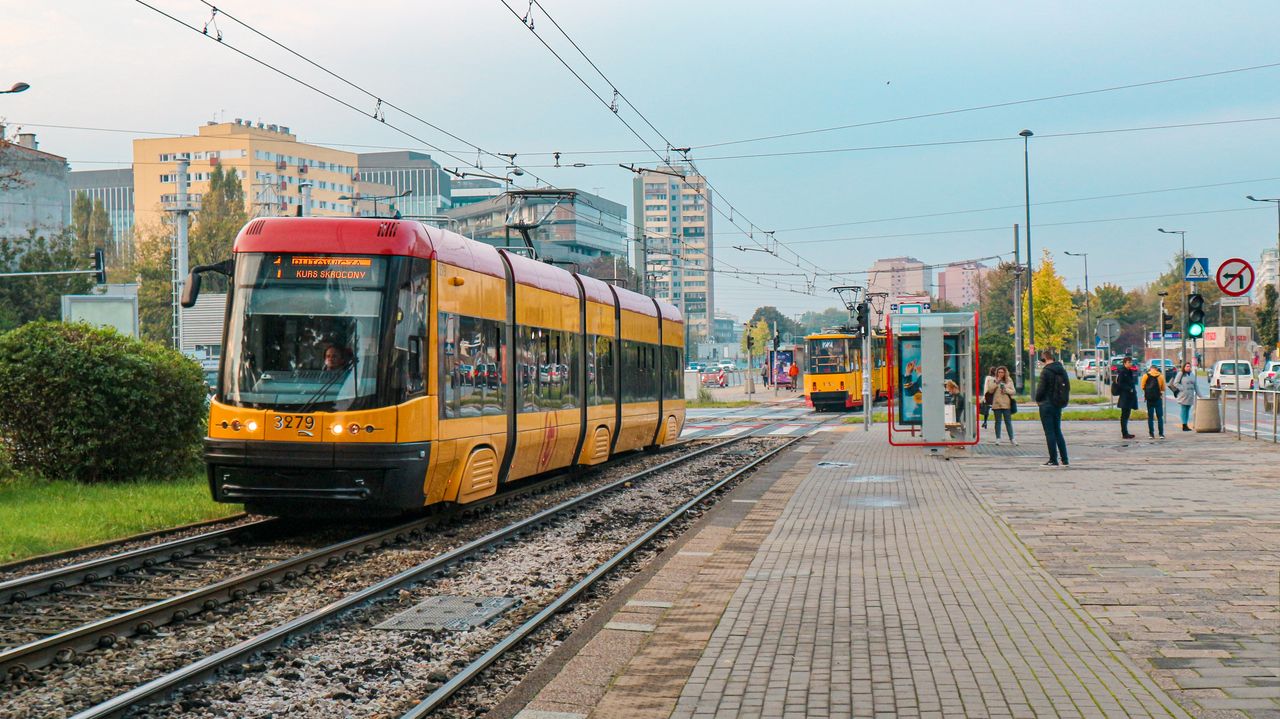
- Electric trams and light rail systems
- Electric metro/subway trains
- Electric ferries
- Cable-propelled transit systems
Think of it as replacing noisy, smoke-producing engines with clean, quiet energy flowing through wires or batteries.
Why Cities Are Switching to Electric Transport
Urban areas are under pressure to reduce pollution and improve mobility.
Electric transport helps by:
- Reducing greenhouse gas emissions
- Lowering air pollution levels
- Cutting fuel costs
- Reducing noise pollution
- Improving energy efficiency
For many cities, electrification is a key step toward sustainability goals.
Table: Diesel vs Electric Public Transport
|
Feature |
Diesel Transport |
Electric Transport |
|
Emissions |
High CO₂ and pollution |
Zero tailpipe emissions |
|
Noise |
Loud engines |
Quiet operation |
|
Operating cost |
High fuel costs |
Lower electricity costs |
|
Maintenance |
Frequent engine repairs |
Fewer moving parts |
|
Efficiency |
Lower |
Higher energy efficiency |
Electric Buses: Leading the Transition
Electric buses are one of the fastest-growing segments of public transport.
They offer:
- Smooth and quiet rides
- Lower operational costs
- Reduced city pollution
- Flexible route integration
Many cities are replacing diesel fleets with electric buses as charging infrastructure expands.
Electric Trains and Metro Systems
Electric trains have been around for decades, but modern systems are becoming more advanced.
Benefits include:
- High passenger capacity
- Fast and reliable service
- Energy-efficient operation
- Reduced urban congestion
Metro systems powered by electricity are the backbone of many major cities.
Electric Ferries and Water Transport
Even water transport is going electric.
Electric ferries provide:
- Cleaner waterways
- Reduced fuel spills and emissions
- Quiet operation in ports
- Lower long-term costs
They are especially useful in coastal cities and island regions.
Table: Types of Electric Public Transport
|
Mode |
Energy Source |
Key Advantage |
|
Electric bus |
Battery-powered |
Flexible city routes |
|
Electric metro |
Grid electricity |
High passenger volume |
|
Electric tram |
Overhead lines |
Efficient urban travel |
|
Electric ferry |
Battery or hybrid |
Clean water transport |
|
Cable transit |
Electric motors |
Low-energy urban routes |
Charging Infrastructure: The Backbone of Electrification
Electric public transport depends heavily on charging systems.
Common methods include:
- Depot charging (overnight charging stations)
- Fast charging at bus stops
- Overhead power lines (for trams and trains)
- Wireless charging systems (emerging technology)
Efficient infrastructure is key to keeping systems running smoothly.
Role of Renewable Energy
Electric transport becomes even cleaner when powered by renewables.
Many cities are integrating:
- Solar energy
- Wind power
- Hydroelectric power
This reduces dependence on fossil fuels and improves sustainability.
Cost Benefits for Cities
Although electric vehicles may cost more initially, they save money long-term.
Savings come from:
- Lower fuel expenses
- Reduced maintenance costs
- Longer vehicle lifespan
- Government incentives and subsidies
Over time, electric systems often become more cost-effective than diesel fleets.
Smart Technology in Public Transport
Modern electric systems are becoming smarter with technology.
Features include:
- Real-time route tracking
- AI-based traffic optimization
- Smart ticketing systems
- Predictive maintenance
- Passenger flow analysis
This improves efficiency and user experience.
Environmental Impact
One of the biggest advantages is environmental protection.
Electric public transport helps:
- Reduce carbon footprints
- Improve air quality in cities
- Lower noise pollution
- Support climate goals
Cleaner transport leads to healthier urban living.
Challenges in Implementation
Despite its benefits, transitioning to electric transport is not easy.
Key challenges include:
- High infrastructure costs
- Battery disposal and recycling issues
- Power grid limitations
- Limited range for some vehicles
- Need for skilled maintenance teams
However, many cities are gradually overcoming these barriers.
Future of Electric Public Transportation
The future is moving toward fully electrified and automated systems.
Upcoming trends include:
- Fully electric city fleets
- Autonomous electric buses
- Wireless charging roads
- AI-managed transit networks
- Integration with smart city systems
Public transport is becoming cleaner, smarter, and more connected.
Conclusion
Electric public transportation systems are transforming urban mobility by offering cleaner, quieter, and more efficient alternatives to traditional fossil-fuel-based transport. From buses and trains to ferries and trams, electrification is helping cities reduce emissions and improve quality of life.
While challenges like infrastructure costs and energy demands remain, the long-term benefits are clear. The future of public transportation is electric—and it’s already well underway.
FAQ: Electric Public Transportation Systems
It includes fully electric fleets, autonomous vehicles, and smart city integration.


Was This Article Helpful?
Click on a star to rate it!
Thank you for your vote!

Average Rating: 0/5 Votes: 0
Be the first to rate this post!

Strong engineering background in mobile and backend development. Focusing on building scalable products, improving development processes — from architecture and APIs to UX redesigns, monetization, and analytics. Responsible for applications with 1M+ downloads and multi-project ecosystems.
View LinkedIn ProfileLatest Posts

How Individuals Can Support Animal Protection: Simple Actions That Create Change

The Role of Consumers in Sustainability: How Everyday Choices Can Create Change

Human Rights Challenges in Conflict Zones: Protecting People During Crisis