The Latest Discoveries in Space Exploration: What We’re Learning About the Universe
Space exploration is entering one of its most exciting eras. With powerful telescopes, advanced spacecraft, and international missions, scientists are uncovering new details about planets, stars, and even distant galaxies. Each discovery brings us closer to answering big questions: Are we alone? How did the universe begin? What lies beyond our solar system?
Let’s explore some of the most recent and fascinating breakthroughs in space exploration.
New Insights from the James Webb Space Telescope
The James Webb Space Telescope (JWST) has transformed how we see the universe.
It has helped scientists:
- Look deeper into early galaxies
- Study the formation of stars and planets
- Analyze the atmospheres of distant exoplanets
- Capture incredibly detailed infrared images
Think of it as upgrading from a flashlight to a super-powered cosmic time machine—because the farther we look, the further back in time we see.
Discovery of Ancient Galaxies
One of JWST’s biggest breakthroughs is identifying galaxies that formed just a few hundred million years after the Big Bang.
These discoveries suggest:
- Galaxies formed earlier than expected
- The early universe was more active than previously thought
- Existing models of cosmic evolution may need revision
This challenges long-held ideas about how quickly the universe developed.
Table: Key Space Exploration Discoveries
|
Discovery |
Significance |
|
Ancient galaxies |
Early universe formed faster than expected |
|
Exoplanet atmospheres |
Clues about habitability |
|
Water on moons |
Potential for life beyond Earth |
|
Black hole imaging |
Better understanding of gravity |
|
Mars exploration data |
Evidence of past water activity |
Water Found on Moons and Planets
Water is one of the most important ingredients for life as we know it.
Recent missions have strengthened evidence of water in:
- Jupiter’s moon Europa
- Saturn’s moon Enceladus
- Mars (in frozen and ancient forms)
These discoveries increase the possibility that life could exist—or may have existed—beyond Earth.
Advances in Mars Exploration
Mars continues to be a major focus of space research.
Recent rover missions have revealed:
- Ancient riverbeds and lake systems
- Organic molecules in Martian soil
- Evidence of past climate changes
- Rock formations shaped by water
These findings suggest that Mars may have once been much more Earth-like than it is today.
Exoplanet Discoveries and Habitability
Astronomers are discovering thousands of exoplanets—planets outside our solar system.
Some recent findings include:
- Earth-sized planets in habitable zones
- Atmospheres containing carbon-based molecules
- Potential indicators of weather systems
These discoveries raise the possibility that life-supporting conditions may exist elsewhere in the universe.
Black Hole Imaging Breakthroughs
One of the most groundbreaking achievements in recent years is the first direct images of black holes.
Scientists have:
- Captured images of black hole shadows
- Measured their gravitational effects
- Studied how they consume surrounding matter
These discoveries help confirm predictions from Einstein’s theory of relativity.
Table: Why These Discoveries Matter
|
Area |
Importance |
|
Galaxies |
Understand universe formation |
|
Planets |
Search for life |
|
Black holes |
Study gravity and physics |
|
Mars |
Learn about planetary history |
|
Moons |
Potential habitats beyond Earth |
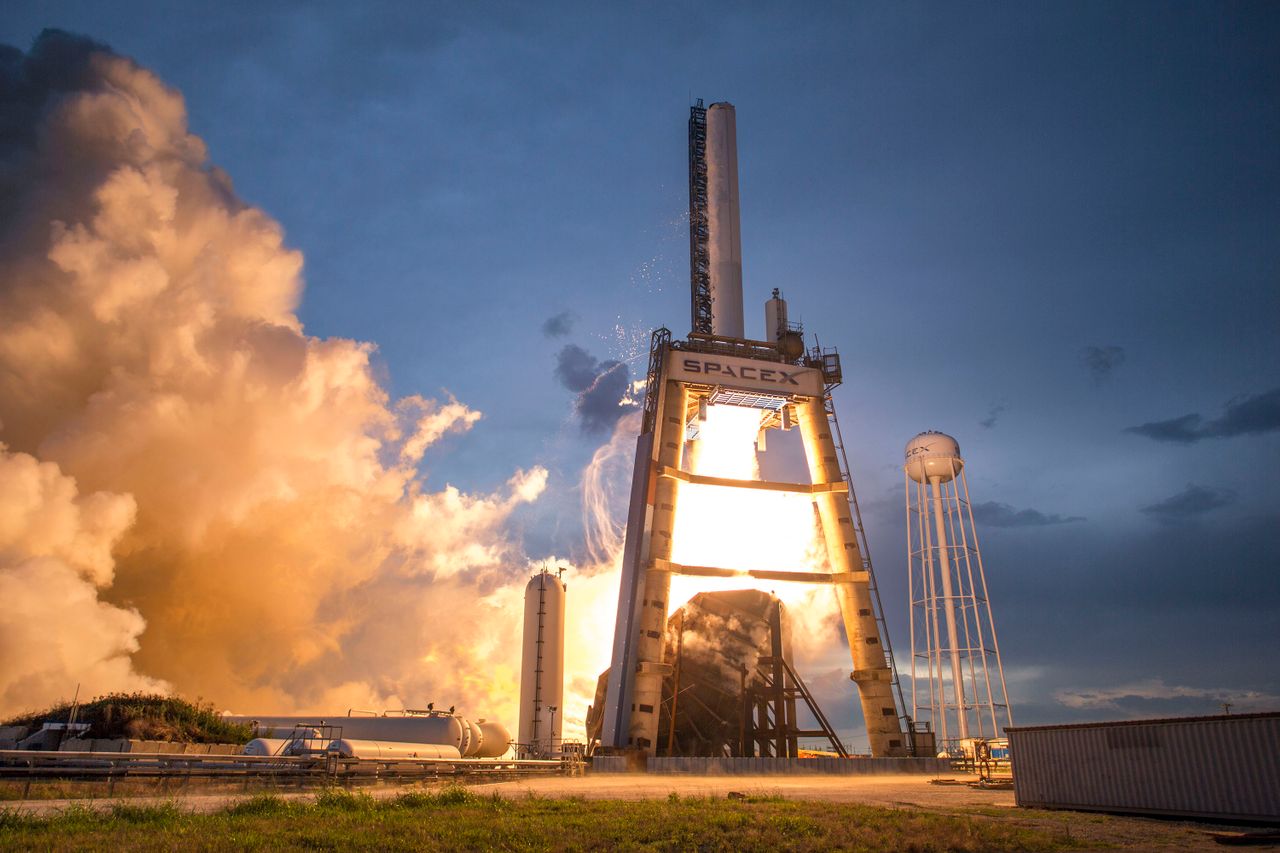
Private and International Space Missions
Space exploration is no longer limited to government agencies.
Today, we see:
- Private companies launching reusable rockets
- International collaboration on lunar missions
- Plans for human return to the Moon
- Preparations for Mars exploration missions
This global effort is accelerating discovery like never before.
The Future of Space Exploration
The next decade promises even more exciting breakthroughs.
Future goals include:
- Establishing lunar bases
- Sending humans to Mars
- Expanding deep space telescope missions
- Searching for biosignatures on exoplanets
- Developing faster and more efficient propulsion systems
Space exploration is moving from observation to active exploration.
Why Space Exploration Matters
Studying space is not just about curiosity—it impacts life on Earth too.
It helps us:
- Improve satellite technology
- Understand climate systems
- Develop new materials and technologies
- Inspire scientific innovation
- Gain perspective on our place in the universe
Exploring space ultimately helps us better understand ourselves.
Conclusion
The latest discoveries in space exploration are reshaping our understanding of the universe. From ancient galaxies and distant exoplanets to water-rich moons and black hole imaging, each breakthrough reveals how vast and dynamic space truly is.
As technology advances and missions expand, we are entering a new era of discovery—one where the unknown is becoming known faster than ever before.
The universe is still full of mysteries, but step by step, we are getting closer to unlocking them.
FAQ: The Latest Discoveries in Space Exploration
It is a combination of NASA, ESA, other national agencies, and private companies like SpaceX.


Was This Article Helpful?
Click on a star to rate it!
Thank you for your vote!

Average Rating: 0/5 Votes: 0
Be the first to rate this post!

Proficient background in project planning, execution, and continuous improvement. Experienced in analyzing ideas and forecasting project success, defining requirements and timelines, and managing communication across cross-functional teams. Skilled in creating and maintaining project documentation, automating processes, and making data-driven decisions in critical situations.
View LinkedIn ProfileLatest Posts

How Individuals Can Support Animal Protection: Simple Actions That Create Change

The Role of Consumers in Sustainability: How Everyday Choices Can Create Change

Human Rights Challenges in Conflict Zones: Protecting People During Crisis