Innovation in Healthcare Technologies: Transforming the Future of Medicine
Healthcare technology is advancing rapidly, changing how diseases are detected, treated, and managed. From artificial intelligence and robotic surgery to wearable devices and digital health platforms, innovation is helping healthcare become more personalized, efficient, and accessible.
These technologies are not only improving patient outcomes but also helping medical professionals make faster and more informed decisions.
What Is Healthcare Technology Innovation?
Healthcare technology innovation refers to the development and use of new tools, systems, and methods to improve medical care.
Examples include:
- Digital health platforms
- Artificial intelligence systems
- Medical robotics
- Telemedicine
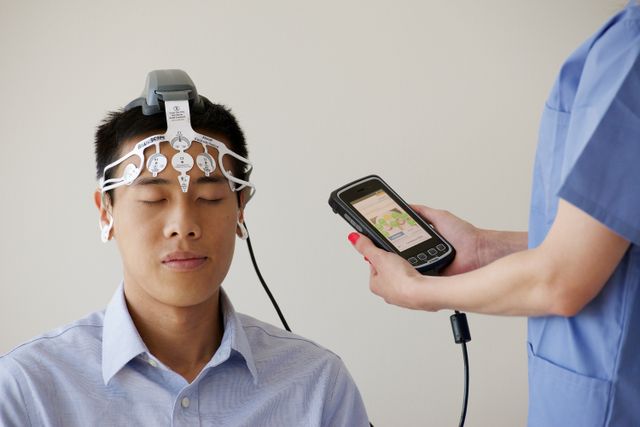
- Wearable health devices
- Advanced diagnostic tools
The goal is to improve prevention, diagnosis, treatment, and patient experiences.
Artificial Intelligence in Healthcare
Artificial intelligence (AI) is one of the most significant innovations in modern healthcare.
AI can help with:
- Analyzing medical images
- Detecting patterns in patient data
- Predicting health risks
- Supporting clinical decisions
- Automating administrative tasks
By processing large amounts of information quickly, AI can assist healthcare professionals in providing more accurate and timely care.
Telemedicine and Virtual Healthcare
Telemedicine allows patients to receive medical services remotely through digital communication tools.
Benefits include:
- Easier access to specialists
- Reduced travel requirements
- Faster consultations
- Improved care for rural communities
Virtual healthcare has become an important part of modern medical systems by making healthcare more convenient and accessible.
Wearable Health Technology
Wearable devices allow people to monitor health information in real time.
Examples include devices that track:
- Heart rate
- Physical activity
- Sleep patterns
- Blood oxygen levels
- Fitness measurements
These tools encourage preventive care by helping individuals better understand their health habits.
|
Technology |
Healthcare Application |
Main Benefit |
|
Artificial intelligence |
Diagnosis and data analysis |
Faster and more accurate decisions |
|
Telemedicine |
Remote consultations |
Improved healthcare access |
|
Wearable devices |
Health monitoring |
Early awareness of health changes |
|
Robotic surgery |
Precision procedures |
Greater surgical accuracy |
|
3D printing |
Medical equipment and implants |
Customized healthcare solutions |
Robotic Surgery
Robotic technology is improving surgical procedures by providing doctors with greater precision and control.
Advantages may include:
- Smaller surgical incisions
- Improved accuracy
- Better visualization
- Faster recovery in some procedures
Robotic systems support surgeons rather than replace them, allowing human expertise and advanced technology to work together.
Personalized Medicine
Traditional medicine often uses general treatment approaches, but personalized medicine focuses on individual differences.
It uses information such as:
- Genetics
- Lifestyle factors
- Medical history
This approach helps doctors choose treatments that are more specifically suited to each patient.
Digital Health Records
Electronic health records (EHRs) have transformed how medical information is stored and shared.
Digital records help healthcare providers:
- Access patient information quickly
- Coordinate care between specialists
- Reduce paperwork
- Improve record accuracy
Better information management can lead to more efficient healthcare delivery.
Advanced Medical Imaging
New imaging technologies are improving the ability to detect and understand diseases.
Innovations include:
- More detailed scanning techniques
- AI-assisted image analysis
- Faster diagnostic processes
Early and accurate detection can improve treatment outcomes.
3D Printing in Medicine
3D printing is creating new possibilities in healthcare.
Applications include:
- Customized prosthetics
- Medical implants
- Surgical planning models
- Tissue engineering research
This technology allows solutions to be designed for individual patient needs.
Remote Patient Monitoring
Remote monitoring uses connected devices to track patients outside traditional healthcare settings.
It can help manage conditions by monitoring:
- Vital signs
- Medication adherence
- Recovery progress
This approach supports continuous care and can reduce unnecessary hospital visits.
Biotechnology and Medical Research
Advances in biotechnology are accelerating medical discoveries.
Areas of innovation include:
- Gene-based therapies
- Vaccine development
- Regenerative medicine
- New diagnostic methods
These developments are expanding possibilities for treating complex diseases.
Benefits of Healthcare Technology Innovation
Modern healthcare technologies provide several advantages:
Better Patient Care
Advanced tools help doctors diagnose and treat conditions more effectively.
Greater Accessibility
Digital solutions can bring healthcare services to more people.
Improved Efficiency
Automation and digital systems reduce administrative workloads.
Preventive Healthcare
Monitoring tools help identify potential issues earlier.
Challenges of Healthcare Technology
Despite major progress, healthcare innovation also creates challenges.
Important concerns include:
- Patient data privacy
- Cybersecurity risks
- Technology costs
- Unequal access
- Need for proper regulation
Healthcare organizations must balance innovation with safety, ethics, and affordability.
The Future of Healthcare Technology
Future healthcare innovations are expected to include:
- More advanced AI-assisted diagnosis
- Smarter wearable devices
- Improved digital healthcare systems
- More precise treatments
- Greater integration of robotics and automation
The focus will continue shifting toward prevention, personalization, and patient-centered care.
Conclusion
Innovation in healthcare technologies is transforming medicine by improving diagnosis, treatment, and access to care. Artificial intelligence, telemedicine, wearable devices, robotics, and personalized medicine are creating new opportunities for patients and healthcare professionals.
Although challenges such as privacy, cost, and accessibility remain, continued innovation has the potential to create a healthcare system that is more efficient, proactive, and responsive to individual needs.
Frequently Asked Questions
The future includes more personalized treatments, advanced AI systems, connected health devices, and improved access to medical care.


Was This Article Helpful?
Click on a star to rate it!
Thank you for your vote!

Average Rating: 0/5 Votes: 0
Be the first to rate this post!

Strong engineering background in mobile and backend development. Focusing on building scalable products, improving development processes — from architecture and APIs to UX redesigns, monetization, and analytics. Responsible for applications with 1M+ downloads and multi-project ecosystems.
View LinkedIn ProfileLatest Posts

How Individuals Can Support Animal Protection: Simple Actions That Create Change

The Role of Consumers in Sustainability: How Everyday Choices Can Create Change

Human Rights Challenges in Conflict Zones: Protecting People During Crisis