Wearable Technology Trends: How Smart Devices Are Changing Everyday Life
Wearable technology is no longer a futuristic idea—it’s already part of daily life. From smartwatches to fitness trackers and smart glasses, wearable devices are transforming how people monitor health, stay connected, and interact with technology.
As innovation accelerates, wearable tech is becoming smarter, smaller, and more useful than ever before.
Let’s explore the biggest trends shaping this fast-growing industry.
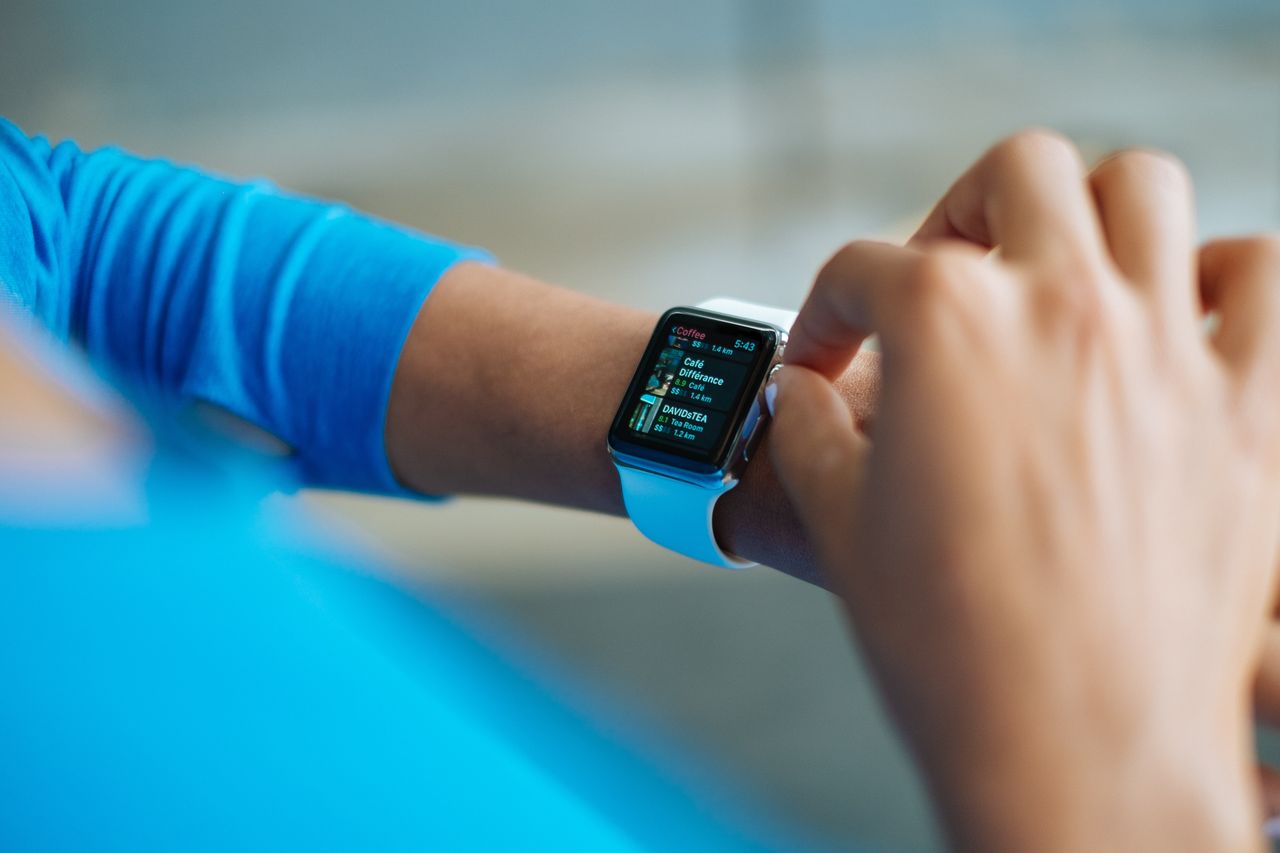
What Is Wearable Technology?
Wearable technology refers to electronic devices that are worn on the body and connected to digital systems.
Common examples include:
- Smartwatches
- Fitness trackers
- Smart glasses
- Health monitoring patches
- Smart rings
Think of wearable tech as having a mini computer attached to your body, constantly collecting and delivering useful information.
Health and Fitness Tracking Dominates the Market
The most popular use of wearable technology is health monitoring.
Modern devices can track:
- Heart rate
- Sleep patterns
- Step count and activity levels
- Calories burned
- Stress levels
These insights help users make better lifestyle choices and stay healthier.
Table: Popular Wearable Devices and Their Functions
|
Device Type |
Main Function |
Example Use |
|
Smartwatch |
Notifications & tracking |
Calls, fitness tracking |
|
Fitness tracker |
Health monitoring |
Steps, calories |
|
Smart rings |
Sleep & wellness tracking |
Heart rate monitoring |
|
Smart glasses |
Augmented reality |
Navigation, visual info |
|
Health patches |
Medical monitoring |
Glucose or vitals tracking |
Rise of Smartwatches as Everyday Devices
Smartwatches have become one of the most widely used wearables.
They offer:
- Phone notifications on your wrist
- GPS tracking
- Fitness monitoring
- Mobile payments
- Voice assistants
They are essentially smartphones—just more compact and accessible.
Advanced Health Monitoring and Medical Use
Wearable technology is moving beyond fitness into healthcare.
New developments include:
- Continuous glucose monitoring for diabetes patients
- ECG (heart rhythm) tracking
- Blood oxygen monitoring
- Early disease detection algorithms
These innovations allow people to monitor health conditions in real time.
AI Integration in Wearables
Artificial intelligence is making wearable devices smarter.
AI helps with:
- Personalized health insights
- Predicting potential health issues
- Adaptive fitness recommendations
- Improved voice assistants
Instead of just collecting data, wearables now interpret it.
Table: Key Wearable Technology Trends
|
Trend |
Impact |
|
Health tracking |
Better personal wellness |
|
AI integration |
Smarter insights |
|
Smart clothing |
Embedded sensors in fabric |
|
AR wearables |
Enhanced real-world interaction |
|
Medical wearables |
Improved patient monitoring |
Growth of Augmented Reality (AR) Wearables
AR glasses are becoming a major innovation area.
They can:
- Display navigation directions in real time
- Show notifications without using a phone
- Assist in workplace tasks
- Enhance gaming and entertainment experiences
AR wearables aim to blend digital information with the real world.
Wearable Technology in Sports and Fitness
Athletes and fitness enthusiasts use wearables to improve performance.
They help track:
- Training intensity
- Recovery time
- Injury risks
- Performance improvements
Coaches and trainers use this data to design better training programs.
Fashion Meets Technology
Wearables are becoming more stylish and less “tech-looking.”
Trends include:
- Designer smartwatches
- Jewelry-style fitness trackers
- Customizable straps and bands
- Lightweight, minimal devices
The goal is simple: make technology part of fashion, not separate from it.
Battery Life and Miniaturization Improvements
One of the biggest challenges in wearables has been battery life.
Recent improvements include:
- More efficient processors
- Smaller, energy-saving chips
- Faster charging technology
- Longer-lasting batteries
Devices are also becoming smaller without losing functionality.
Privacy and Data Security Concerns
Since wearables collect sensitive personal data, privacy is a major concern.
Key risks include:
- Unauthorized data access
- Health data misuse
- Location tracking issues
- Cloud storage vulnerabilities
Companies are now focusing more on encryption and user control.
Future of Wearable Technology
The future of wearables looks even more advanced and integrated.
Upcoming innovations may include:
- Fully implantable health sensors
- Smart contact lenses
- Emotion-detecting devices
- Real-time translation wearables
- Fully connected smart clothing systems
Wearables are moving toward becoming invisible yet constantly connected.

Conclusion
Wearable technology is rapidly transforming how we live, work, and take care of our health. From fitness tracking and smartwatches to AI-powered health monitoring and AR glasses, these devices are becoming an essential part of modern life.
As technology continues to evolve, wearables will become more intelligent, more personalized, and even more integrated into everyday experiences.
In the near future, wearable tech won’t just be something you wear—it will be something you rely on every moment of the day.
FAQ: Wearable Technology Trends
Yes, but users should be aware of data privacy and ensure devices come from trusted manufacturers.


Was This Article Helpful?
Click on a star to rate it!
Thank you for your vote!

Average Rating: 3/5 Votes: 1
Be the first to rate this post!

Proficient background in project planning, execution, and continuous improvement. Experienced in analyzing ideas and forecasting project success, defining requirements and timelines, and managing communication across cross-functional teams. Skilled in creating and maintaining project documentation, automating processes, and making data-driven decisions in critical situations.
View LinkedIn ProfileLatest Posts

How Individuals Can Support Animal Protection: Simple Actions That Create Change

The Role of Consumers in Sustainability: How Everyday Choices Can Create Change

Human Rights Challenges in Conflict Zones: Protecting People During Crisis