Smart Home Devices Transforming Daily Life
Smart homes are no longer a futuristic concept—they’re already part of everyday life. From voice assistants that turn off your lights to thermostats that learn your habits, smart home devices are quietly reshaping how we live, save energy, and manage time.
So what exactly is changing, and why are so many people adopting this technology? Let’s break it down.
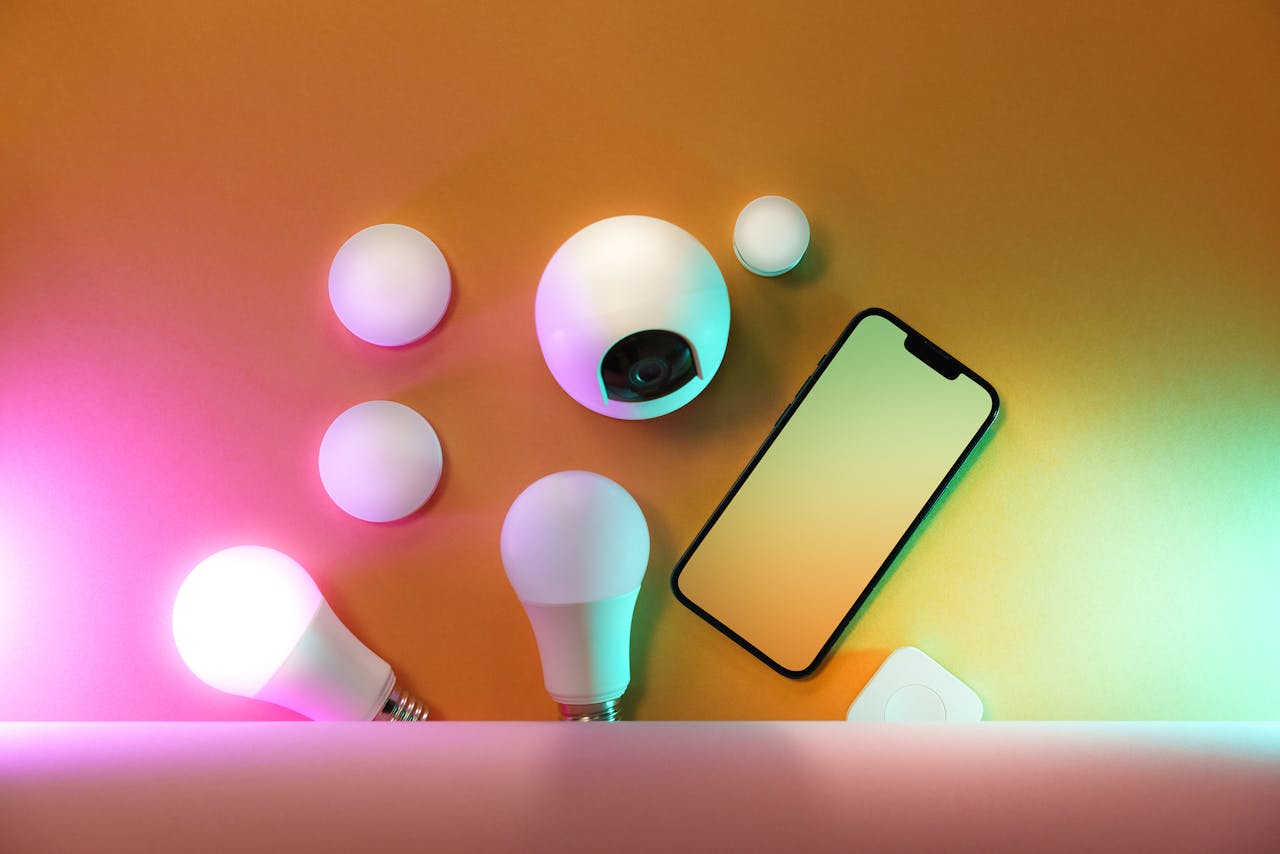
What Are Smart Home Devices?
Smart home devices are everyday household items connected to the internet. They can be controlled remotely or even work automatically based on your behavior.
In simple terms, they turn your home into a system that can “think” a little.
Common examples include:
- Smart speakers
- Smart lights
- Smart thermostats
- Security cameras
- Smart door locks
Instead of manually controlling everything, your home starts doing things for you.
Voice Assistants: Your Digital Home Manager
Voice assistants like Alexa or Google Assistant act like a control center for your home.
You can say things like:
- “Turn off the lights”
- “Play music”
- “What’s the weather today?”
It’s like having a helpful assistant who never gets tired and is always listening (in a good way).
These devices connect all your smart gadgets into one easy system, making daily tasks feel effortless.
Smart Lighting: Setting the Mood Automatically
Smart lighting does more than just turn on and off.
It can:
- Adjust brightness based on time of day
- Change colors for mood or activity
- Turn off automatically when no one is in the room
- Be controlled remotely from your phone
Imagine your lights slowly brightening in the morning like a natural sunrise. That’s not luxury anymore—it’s standard smart home tech.
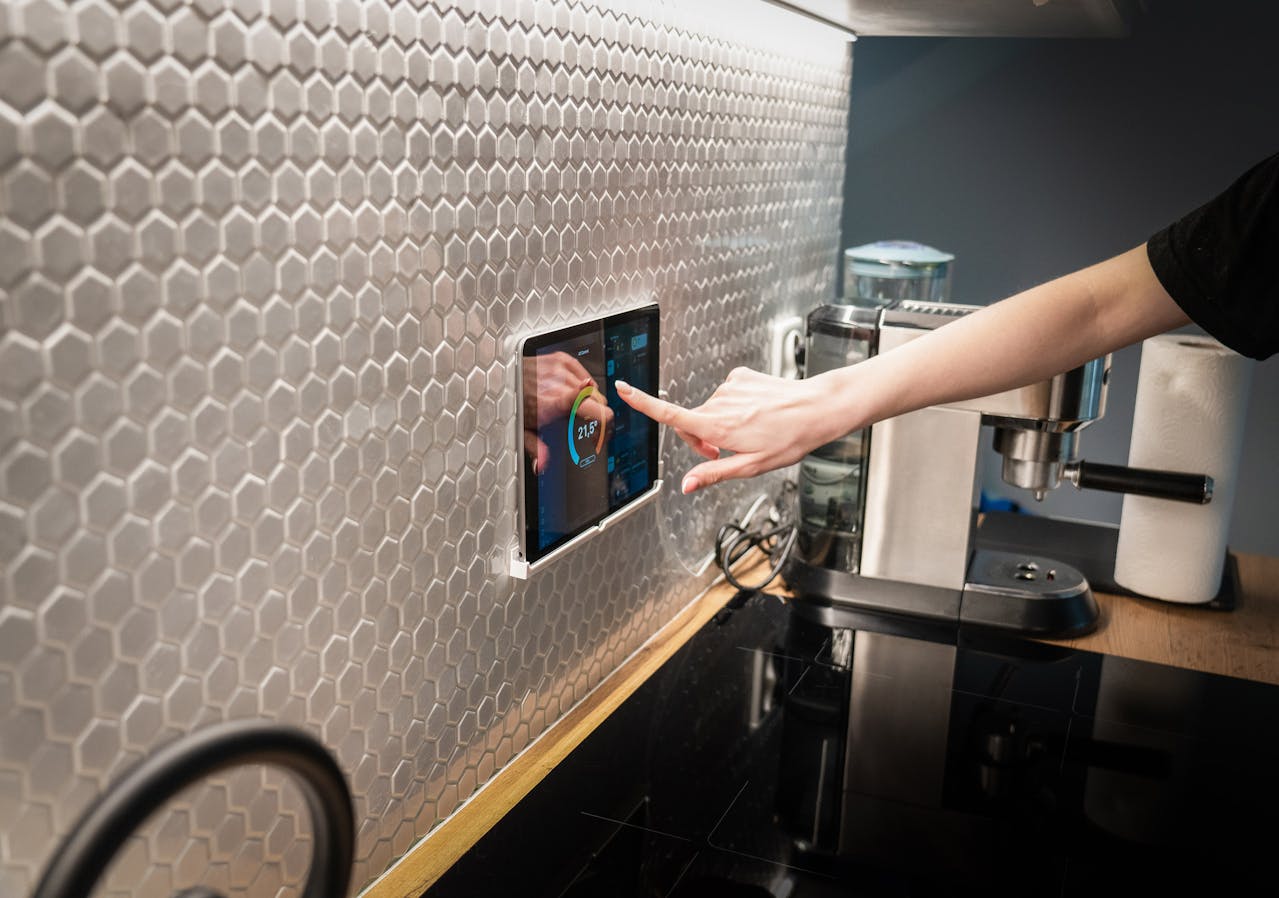
Smart Thermostats: Saving Energy Without Thinking
Heating and cooling can take up a big part of energy bills. Smart thermostats solve this by learning your habits.
They can:
- Adjust temperature automatically when you leave home
- Learn your preferred comfort levels
- Reduce energy use when you’re asleep or away
Think of it like a system that quietly saves money for you without asking.
Home Security: Smarter Protection
Smart home devices have made security more advanced and accessible.
Today’s systems include:
- Smart cameras with motion detection
- Video doorbells
- Smart locks controlled by phone
- Real-time alerts and notifications
You don’t need to be home to know what’s happening—you can check everything from your smartphone.
It’s like having a security guard that fits in your pocket.
Everyday Automation: When Your Home Thinks Ahead
One of the most powerful features of smart homes is automation.
For example:
- Lights turn off when you leave
- Coffee machine starts before you wake up
- Doors lock automatically at night
- Music plays when you arrive home
It’s not just convenience—it’s a lifestyle shift where your home adapts to you instead of the other way around.
Table: Traditional Home vs Smart Home
| Feature | Traditional Home | Smart Home |
| Lighting control | Manual switches | App or voice control |
| Security | Basic locks and alarms | Smart cameras and alerts |
| Energy use | Fixed settings | Adaptive and optimized |
| Convenience | Task-based | Automated routines |
| Remote access | Not available | Full smartphone control |
How Smart Homes Save Time and Energy
The biggest benefit of smart home devices isn’t just technology—it’s efficiency.
They help you:
- Reduce repetitive tasks
- Cut down energy waste
- Improve home safety
- Free up mental space for more important things
Think of it as outsourcing small daily tasks to your home itself.
Challenges of Smart Home Technology
Of course, smart homes aren’t perfect.
Some challenges include:
- Privacy concerns with connected devices
- Dependence on stable internet
- Compatibility between different brands
- Initial setup costs
But as technology improves, these issues are gradually being reduced.
The Future of Smart Homes
Smart homes are evolving quickly. In the near future, we can expect:
- Fully integrated home ecosystems
- AI predicting household needs in advance
- More energy-efficient automation
- Deeper connection with smart cities
Eventually, homes may not just respond to commands—they may anticipate them.
Conclusion
Smart home devices are transforming daily life by making homes more efficient, secure, and personalized. What once felt like luxury is quickly becoming standard.
From voice assistants to automated lighting and intelligent security systems, technology is turning homes into active partners in everyday living.
The future home isn’t just smart—it’s intuitive, responsive, and designed around you.
FAQ: Smart Home Devices Transforming Daily Life
Many can, especially if they support common platforms like Google Home or Alexa.


Was This Article Helpful?
Click on a star to rate it!
Thank you for your vote!

Average Rating: 0/5 Votes: 0
Be the first to rate this post!

Latest Posts

How Individuals Can Support Animal Protection: Simple Actions That Create Change

The Role of Consumers in Sustainability: How Everyday Choices Can Create Change

Human Rights Challenges in Conflict Zones: Protecting People During Crisis