Article Plan
- Artificial Intelligence and Advanced Automation
- Expansion of 5G and Connectivity
- Table: Key Digital Trends and Their Impacts
- Extended Reality (AR and VR)
- Blockchain and Decentralized Technologies
- Emphasis on Digital Privacy and Cybersecurity
- Edge Computing and IoT Integration
- Conclusion
- Frequently Asked Questions about Digital Trends for the Next Decade
Digital Trends That Will Shape the Next Decade
The digital landscape is evolving at an unprecedented pace. From artificial intelligence to immersive technologies, the next decade promises to transform the way we work, communicate, and interact with the world. Businesses, innovators, and consumers alike will need to adapt to stay relevant in this rapidly changing environment.
Here’s a closer look at the digital trends that are set to define the next ten years.
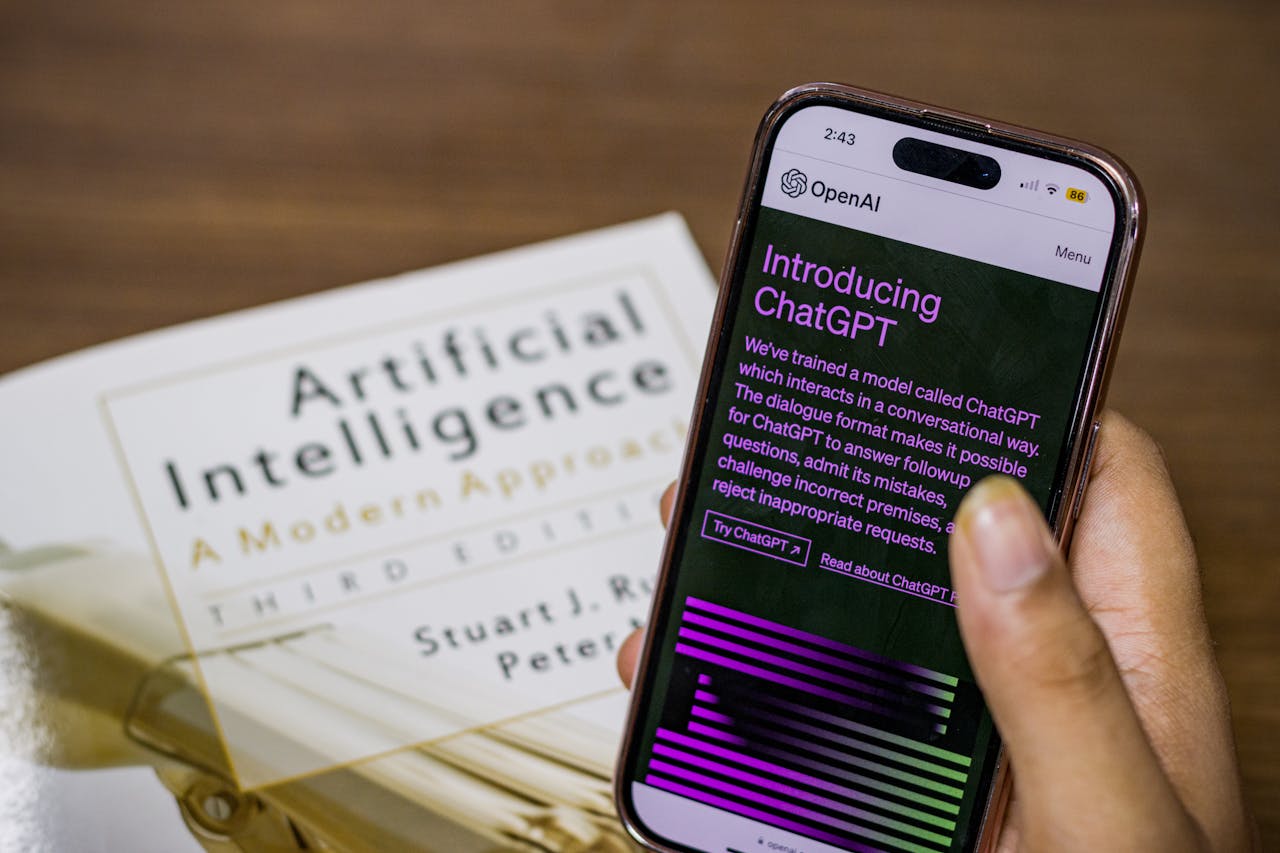
Artificial Intelligence and Advanced Automation
AI will continue to dominate the digital sphere, driving smarter automation and decision-making. Key developments include:
- AI-powered analytics predicting customer behavior
- Automated workflows across industries for efficiency
- Natural language processing enabling more human-like interactions
- Generative AI creating content, designs, and solutions
AI’s evolution means businesses can operate faster, smarter, and more creatively than ever before.
Expansion of 5G and Connectivity
High-speed connectivity is the backbone of the digital future. 5G and beyond will enable:
- Ultra-fast mobile internet for streaming, gaming, and remote work
- Real-time communication between IoT devices
- Enhanced AR and VR experiences for entertainment and business
Faster connectivity will unlock new applications, improve user experiences, and support the next generation of smart cities.
Table: Key Digital Trends and Their Impacts
| Trend |
Description
|
Impact on Society and Business
|
|
Artificial Intelligence |
Machine learning, automation, generative AI |
Smarter operations, personalized experiences |
|
5G and Connectivity |
Ultra-fast internet, IoT integration |
Real-time data, immersive experiences |
|
Extended Reality (AR/VR) |
Immersive digital environments |
Education, gaming, virtual collaboration |
|
Blockchain |
Decentralized and secure transactions |
Transparency, security, new business models |
|
Digital Privacy and Security |
Advanced cybersecurity measures |
Protects data and builds consumer trust |
|
Edge Computing |
Processing data closer to devices |
Faster, real-time responses, efficient resource use |
Extended Reality (AR and VR)
Augmented and virtual reality are becoming mainstream. Applications include:
- Virtual collaboration for remote teams
- Immersive gaming and entertainment experiences
- AR in retail to preview products before purchase
- Virtual training simulations in healthcare and industry
These technologies blur the line between the digital and physical worlds, creating entirely new experiences.
Blockchain and Decentralized Technologies
Blockchain continues to disrupt industries beyond cryptocurrency. Benefits include:
- Secure, transparent transactions for finance and supply chains
- Smart contracts automating legal and business agreements
- New decentralized business models empowering creators and consumers
Blockchain is reshaping trust and transparency in the digital economy.
Emphasis on Digital Privacy and Cybersecurity
As digital integration deepens, protecting personal and corporate data becomes critical. Key trends:
- Advanced encryption and zero-trust security models
- Regulatory compliance for data protection (e.g., GDPR, CCPA)
- AI-driven threat detection to prevent cyber attacks
Strong cybersecurity ensures trust and safeguards innovation in an increasingly digital world.
Edge Computing and IoT Integration
Processing data closer to where it’s generated, via edge computing, reduces latency and enables real-time decision-making. Combined with IoT devices, this allows:
- Faster smart home responses
- Real-time industrial monitoring
- Enhanced autonomous systems for transportation and logistics
Edge computing supports efficient, responsive, and intelligent digital ecosystems.

Conclusion
The next decade will be defined by AI, 5G, AR/VR, blockchain, cybersecurity, and edge computing, creating opportunities for innovation, efficiency, and immersive experiences. Businesses and individuals who adapt early will be the ones to thrive in this digital future.
The takeaway: embracing these trends is essential for staying competitive, innovative, and connected in the coming decade.
Frequently Asked Questions about Digital Trends for the Next Decade
It processes data closer to the source, reducing latency and enabling real-time responses for devices and applications.


Was This Article Helpful?
Click on a star to rate it!
Thank you for your vote!

Average Rating: 4.7/5 Votes: 10
Be the first to rate this post!

Strong engineering background in mobile and backend development. Focusing on building scalable products, improving development processes — from architecture and APIs to UX redesigns, monetization, and analytics. Responsible for applications with 1M+ downloads and multi-project ecosystems.
View LinkedIn ProfileLatest Posts

How Individuals Can Support Animal Protection: Simple Actions That Create Change

The Role of Consumers in Sustainability: How Everyday Choices Can Create Change

Human Rights Challenges in Conflict Zones: Protecting People During Crisis