Smart Car Technology Explained: How Modern Vehicles Are Becoming More Intelligent
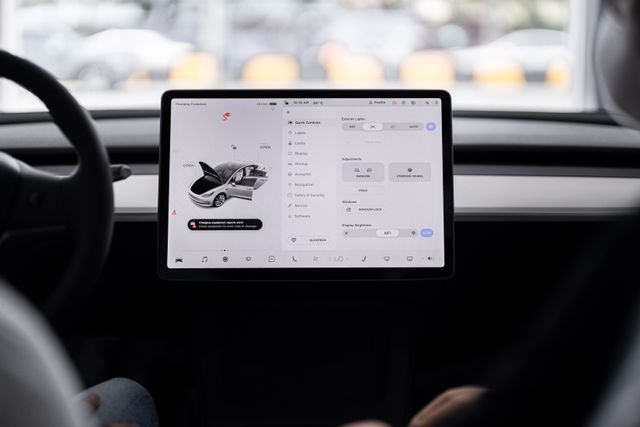
Smart car technology is transforming the automotive industry by making vehicles safer, more connected, efficient, and convenient. Modern cars are no longer just machines for transportation—they are becoming advanced digital systems that use sensors, software, artificial intelligence, and connectivity to improve the driving experience.
From automatic braking systems to voice assistants and self-parking features, smart technologies are changing how people interact with vehicles.
What Is Smart Car Technology?
Smart car technology refers to advanced systems that use digital tools and automation to improve vehicle performance, safety, and user experience.
These technologies include:
- Driver assistance systems
- Connected vehicle features
- Artificial intelligence
- Vehicle sensors
- Electric power management
- In-car entertainment systems
The goal of smart car technology is to make transportation safer, more efficient, and more personalized.
Advanced Driver Assistance Systems (ADAS)
One of the most important developments in smart vehicles is Advanced Driver Assistance Systems (ADAS).
These systems use cameras, radar, and sensors to monitor the vehicle’s surroundings and assist drivers.
Common ADAS features include:
- Automatic emergency braking
- Lane departure warnings
- Adaptive cruise control
- Blind-spot monitoring
- Traffic sign recognition
These technologies help reduce accidents by supporting drivers during challenging situations.
Artificial Intelligence in Vehicles
Artificial intelligence allows vehicles to analyze information and make smarter decisions.
AI is used for:
- Recognizing objects and pedestrians
- Predicting traffic conditions
- Improving navigation routes
- Personalizing driver settings
- Enhancing voice commands
As AI systems improve, vehicles are becoming better at understanding and responding to their environments.
Connected Cars and the Internet of Things
Connected car technology allows vehicles to communicate with other devices, networks, and services.
Connected features include:
- Real-time traffic updates
- Remote vehicle control
- Vehicle health monitoring
- Smartphone integration
- Cloud-based services
Connectivity helps drivers access information quickly and improves vehicle management.
|
Smart Car Technology |
Purpose |
Main Benefit |
|
Driver assistance systems |
Helps with driving tasks |
Improved safety |
|
Artificial intelligence |
Analyzes information and predicts situations |
Smarter decisions |
|
Connected services |
Links vehicles to digital networks |
Greater convenience |
|
Electric vehicle technology |
Improves energy efficiency |
Lower emissions |
|
Autonomous systems |
Automates driving functions |
Reduced driver workload |
Autonomous Driving Technology
Self-driving technology is one of the most discussed areas of smart car development.
Autonomous vehicles use:
- Cameras
- Sensors
- Artificial intelligence
- Mapping systems
- Real-time data processing
Automation levels range from basic driver assistance to vehicles capable of operating with minimal human input.
Although fully autonomous vehicles are still developing, many modern cars already include partial automation features.
Smart Navigation Systems
Modern navigation systems offer more than simple directions.
Smart navigation can provide:
- Real-time traffic information
- Faster route suggestions
- Charging station locations for electric vehicles
- Weather updates
- Predictive travel estimates
These systems help drivers save time and make better travel decisions.
Electric and Smart Energy Management
Smart technology is closely connected with electric vehicles (EVs).
Modern EV systems use software to:
- Monitor battery health
- Optimize energy use
- Predict driving range
- Improve charging efficiency
Battery management systems help electric vehicles perform better and last longer.
Voice Assistants and Digital Interfaces
Many smart cars include voice-controlled systems that allow drivers to interact without taking their hands off the wheel.
Features may include:
- Navigation commands
- Music control
- Phone calls
- Climate adjustments
- Vehicle settings
Improved interfaces make driving more convenient and reduce distractions.
Vehicle-to-Everything (V2X) Communication
V2X technology allows vehicles to communicate with:
- Other vehicles
- Traffic signals
- Road infrastructure
- Pedestrians’ devices
Potential benefits include:
- Better traffic management
- Improved accident prevention
- More efficient transportation systems
This technology could play an important role in future smart cities.
Benefits of Smart Car Technology
Smart vehicles provide several advantages:
Improved Safety
Sensors and automated systems can help prevent collisions and alert drivers to dangers.
Greater Convenience
Connected features simplify navigation, communication, and vehicle control.
Better Efficiency
Smart systems optimize fuel use, battery performance, and driving behavior.
Enhanced Driving Experience
Personalized settings and intelligent features make vehicles easier and more enjoyable to use.
Challenges of Smart Car Technology
Despite rapid progress, smart vehicles face challenges.
Major concerns include:
- Cybersecurity risks
- High development costs
- Privacy issues
- Technology reliability
- Infrastructure limitations
Protecting connected vehicles from hacking and ensuring system accuracy remain important priorities.
The Future of Smart Cars
Future smart vehicles are expected to include:
- More advanced autonomous driving
- Improved AI systems
- Greater vehicle connectivity
- Better battery technology
- Integration with smart city networks
Cars will increasingly function as intelligent digital platforms rather than traditional transportation tools.
Conclusion
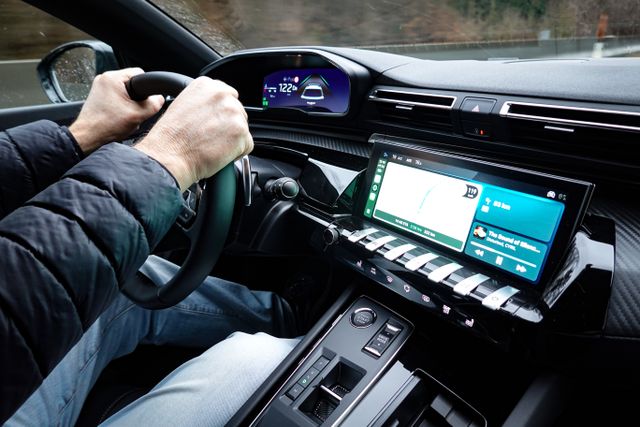
Smart car technology is reshaping the future of transportation by combining automotive engineering with artificial intelligence, connectivity, and automation. Features such as driver assistance systems, connected services, and intelligent energy management are making vehicles safer and more efficient.
While challenges remain, continued innovation is moving the automotive industry toward a future where cars are more responsive, connected, and capable of supporting drivers in new ways.
Frequently Asked Questions
Future developments include more advanced autonomous driving, improved connectivity, and deeper integration with smart transportation systems.


Was This Article Helpful?
Click on a star to rate it!
Thank you for your vote!

Average Rating: 0/5 Votes: 0
Be the first to rate this post!

Proficient background in project planning, execution, and continuous improvement. Experienced in analyzing ideas and forecasting project success, defining requirements and timelines, and managing communication across cross-functional teams. Skilled in creating and maintaining project documentation, automating processes, and making data-driven decisions in critical situations.
View LinkedIn ProfileLatest Posts

How Individuals Can Support Animal Protection: Simple Actions That Create Change

The Role of Consumers in Sustainability: How Everyday Choices Can Create Change

Human Rights Challenges in Conflict Zones: Protecting People During Crisis