Battery Innovations for Electric Cars: Powering the Future of Mobility
Electric cars are no longer a futuristic concept—they are becoming a mainstream choice worldwide. At the heart of this transformation lies one critical component: the battery. As demand for electric vehicles (EVs) grows, battery technology is evolving rapidly to make cars faster, safer, cheaper, and more efficient.
So what are the latest breakthroughs in EV battery innovation? Let’s explore.
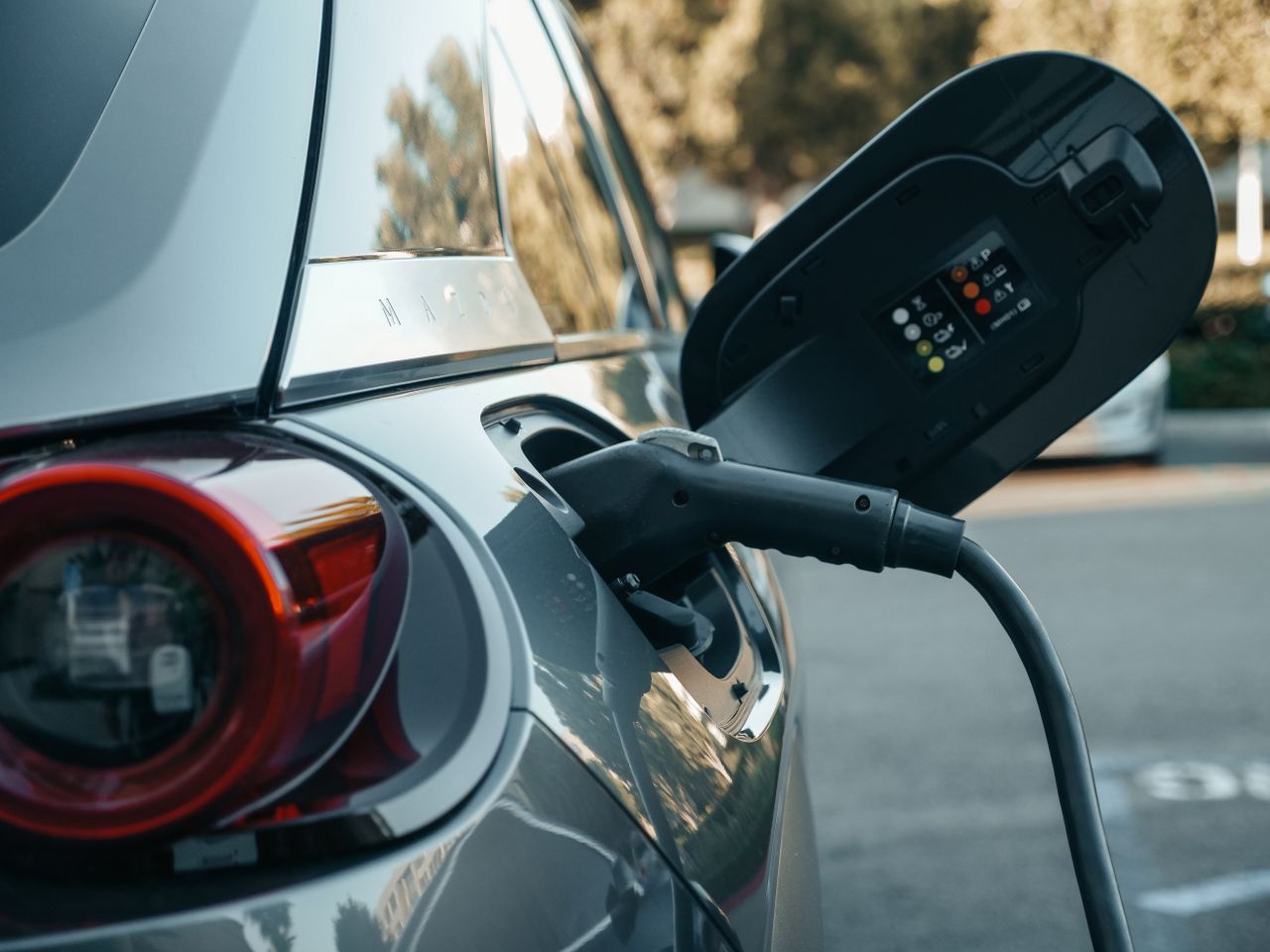
Why EV Batteries Matter So Much
The battery is essentially the “fuel tank” of an electric car.
It determines:
- Driving range
- Charging speed
- Vehicle performance
- Cost of the car
- Overall lifespan
Think of it as the heart of the electric vehicle—it powers everything.
Lithium-Ion Batteries: The Current Standard
Most electric cars today use lithium-ion batteries.
They are popular because they offer:
- High energy density
- Long cycle life
- Relatively fast charging
- Proven reliability
However, they still have limitations like long charging times, high cost, and thermal risks.
This has pushed researchers to develop next-generation solutions.
Solid-State Batteries: The Big Breakthrough
Solid-state batteries are considered one of the most promising innovations in EV technology.
Instead of liquid electrolytes, they use solid materials, which improves safety and performance.
Benefits include:
- Faster charging times
- Higher energy density
- Reduced fire risk
- Longer lifespan
Imagine replacing a sponge soaked in liquid with a solid block that stores more energy more safely—that’s the idea.
Table: Lithium-Ion vs Solid-State Batteries
|
Feature |
Lithium-Ion |
Solid-State |
|
Electrolyte |
Liquid |
Solid |
|
Safety |
Moderate risk |
High safety |
|
Energy density |
Good |
Higher potential |
|
Charging speed |
Moderate |
Faster |
|
Cost |
Lower (current) |
Higher (early stage) |
Faster Charging Technology
One of the biggest concerns for EV users is charging time.
New innovations are focusing on:
- Ultra-fast charging stations
- Improved battery chemistry
- Better heat management systems
- Higher voltage architectures
Some modern EVs can already charge up to 80% in under 20–30 minutes.
Silicon Anodes: Boosting Battery Capacity
Traditional batteries use graphite anodes, but silicon is emerging as a powerful alternative.
Silicon anodes can:
- Store significantly more energy
- Increase driving range
- Improve efficiency
However, silicon expands during charging, which engineers are still working to control.
Table: Key Battery Innovations
|
Innovation |
Benefit |
|
Solid-state batteries |
Safer and more efficient |
|
Silicon anodes |
Higher energy storage |
|
Fast-charging tech |
Reduced waiting time |
|
Thermal management systems |
Better safety and lifespan |
|
Battery recycling |
Lower environmental impact |
Battery Recycling and Sustainability
As EV adoption grows, battery waste becomes a major concern.
New recycling technologies aim to:
- Recover valuable materials like lithium and cobalt
- Reduce mining demand
- Lower environmental impact
- Support a circular economy
This makes EVs not just cleaner to drive, but also cleaner to produce over time.
Battery Swapping Technology
Instead of waiting to charge, some companies are experimenting with battery swapping.
This system allows:
- Quick replacement of depleted batteries
- Reduced downtime (a few minutes instead of hours)
- Easier fleet management
While still limited in use, it could reshape urban transportation.
Improving Battery Range
Range anxiety remains a key barrier for EV adoption.
Innovations helping improve range include:
- Lightweight vehicle materials
- Aerodynamic designs
- Energy-efficient motors
- Smarter power management systems
Together, these improvements allow EVs to travel farther on a single charge.
The Role of AI in Battery Development
Artificial intelligence is accelerating battery innovation.
AI is used to:
- Discover new battery materials
- Optimize charging cycles
- Predict battery lifespan
- Improve energy efficiency
This speeds up research that once took years into months.
The Future of EV Batteries
The next decade is expected to bring major changes.
Future possibilities include:
- Fully solid-state commercial batteries
- 1,000+ km driving range EVs
- Charging in under 10 minutes
- Cheaper mass-market electric cars
- Fully sustainable battery supply chains
Electric vehicles are moving toward becoming more practical than traditional fuel cars in every way.
Conclusion
Battery innovation is the driving force behind the electric vehicle revolution. From solid-state technology to silicon anodes and fast-charging systems, advancements are making EVs more efficient, affordable, and accessible.
While challenges like cost and material supply still exist, rapid technological progress suggests a future where electric cars dominate global transportation.
In short, the battery isn’t just improving electric cars—it’s redefining the entire automotive industry.
FAQ: Battery Innovations for Electric Cars
Yes, many components can be recovered and reused, reducing environmental impact.


Was This Article Helpful?
Click on a star to rate it!
Thank you for your vote!

Average Rating: 0/5 Votes: 0
Be the first to rate this post!

Expert in backend development and database architecture. Specializes in building, optimizing, and maintaining scalable PHP applications, designing efficient database structures, and ensuring data integrity and performance. Experienced in working with relational databases, writing optimized queries, and integrating backend systems with APIs and business logic to support reliable, high-performance web solutions.
View LinkedIn ProfileLatest Posts

How Individuals Can Support Animal Protection: Simple Actions That Create Change

The Role of Consumers in Sustainability: How Everyday Choices Can Create Change

Human Rights Challenges in Conflict Zones: Protecting People During Crisis