What Are Human Rights? A Comprehensive Overview for Beginners
Human rights are the basic freedoms and protections every person deserves simply because they are human. These rights ensure that everyone can live with dignity, freedom, and equality. This article explains what human rights are, why they matter, and how they impact our daily lives.
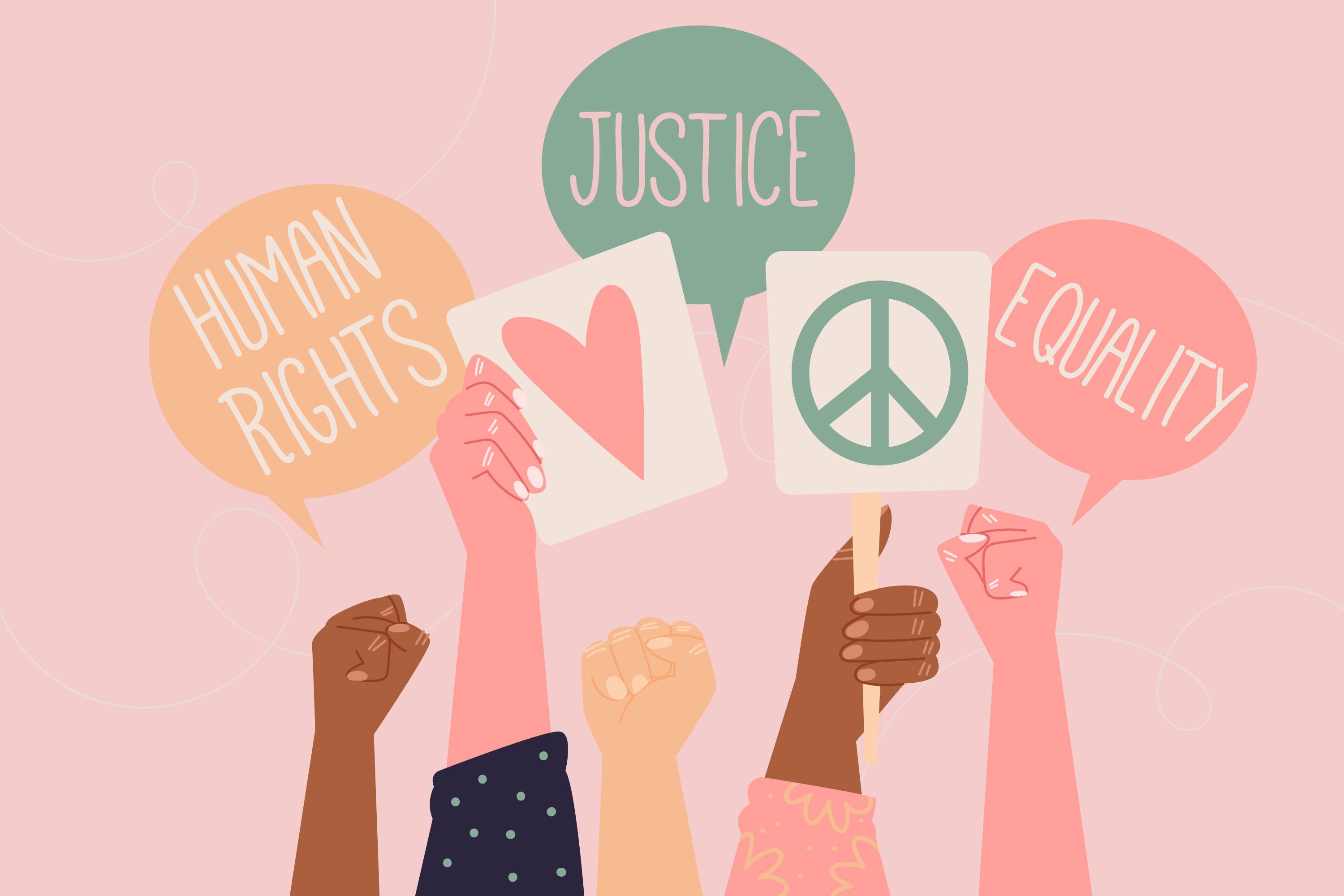
What Are Human Rights?
Human rights are the rights that belong to every person, no matter their race, gender, nationality, religion, or any other status. They protect individuals from unfair treatment and give people the freedom to make choices about their lives.
Some examples of human rights include the right to:
- Live free from torture or violence
- Speak freely and express opinions
- Access education and healthcare
- Practice a religion or belief
- Work and earn a fair wage
These rights are universal, meaning they apply to everyone, everywhere.
The History of Human Rights
The idea of human rights has existed for centuries, but it became widely recognized after World War II. In 1948, the United Nations adopted the Universal Declaration of Human Rights (UDHR), which lists fundamental rights and freedoms that all people should have.
Since then, many countries have worked to protect these rights through laws and international agreements.
Why Do Human Rights Matter?
Human rights protect individuals from abuse and discrimination. They promote fairness, justice, and respect for all people. Without human rights, people can face oppression, inequality, and violence.
Protecting human rights helps create peaceful and fair societies where everyone can reach their full potential.
How Are Human Rights Protected?
Many organizations work to defend human rights, including governments, the United Nations, and non-governmental groups. Laws, courts, and international agreements help hold violators accountable.
People also have a role in protecting human rights by speaking out against injustice and supporting fairness in their communities.
Challenges to Human Rights
Despite progress, human rights violations still occur worldwide. Issues like discrimination, censorship, poverty, and war continue to threaten these rights.
Raising awareness, education, and strong legal protections are key to overcoming these challenges.
Final Thoughts
Human rights are the foundation of a fair and just world. Understanding and respecting these rights helps protect everyone’s dignity and freedom. By learning about human rights, we can all contribute to building a kinder, safer, and more equal society.


Was This Article Helpful?
Click on a star to rate it!
Thank you for your vote!

Average Rating: 4.3/5 Votes: 22
Be the first to rate this post!

Latest Posts

Conflict Resolution in Relationships

How to Develop a Growth Mindset

How Diet Affects Energy Levels