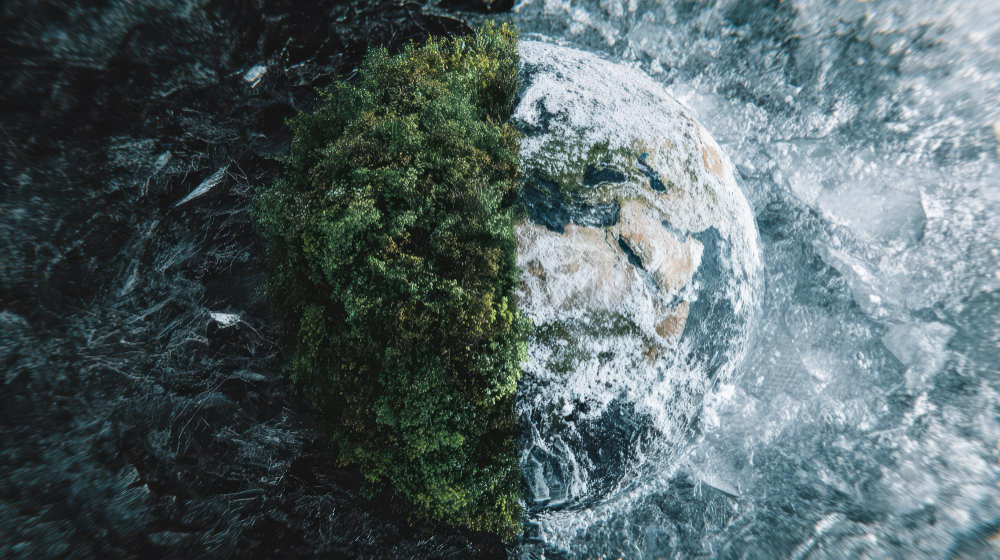
Combatting Wildlife Trafficking: Fighting Illegal Animal Trade
Wildlife trafficking is a serious problem that threatens many animal species around the world. This illegal trade involves capturing, selling, and transporting animals and their parts, often causing harm to ecosystems and pushing species toward extinction. Fighting wildlife trafficking requires global effort and strong actions.
What Is Wildlife Trafficking?
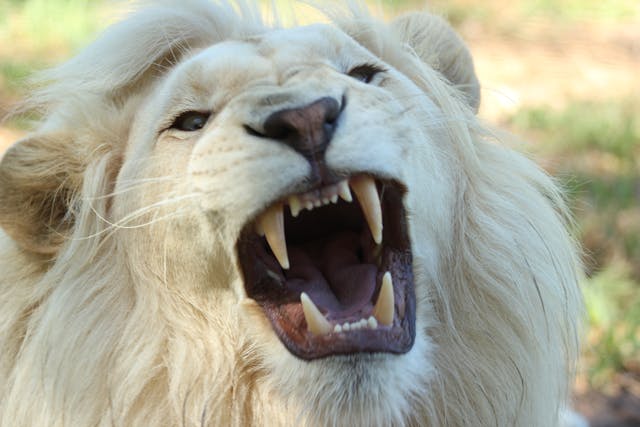
Wildlife trafficking means the illegal buying and selling of animals like elephants, tigers, parrots, and reptiles, as well as products like ivory, skins, and bones. Traffickers often target endangered species because they can sell them for high prices.
Why Is Wildlife Trafficking Harmful?
Illegal trade disrupts ecosystems by removing key species. It can cause animal populations to drop drastically or disappear. Trafficking also spreads diseases and threatens local communities that depend on wildlife for their livelihoods.
Challenges in Fighting Wildlife Trafficking
Complex Networks
Traffickers operate across borders, making it hard for authorities to track and stop them.
High Demand
Strong markets for exotic pets, traditional medicine, and luxury goods keep trafficking profitable.
Lack of Awareness
Many people don’t realize the impact of buying trafficked animals or products.
Weak Enforcement
In some places, laws are not strict or enforcement is limited due to lack of resources.
Solutions to Combat Wildlife Trafficking
Stronger Laws and Penalties
Clear and strict laws with harsh penalties deter traffickers. Training law enforcement improves effectiveness.
International Cooperation
Countries must work together to share information, track shipments, and stop cross-border trafficking.
Public Education
Raising awareness helps reduce demand by informing people about the harm caused by trafficking.
Protecting Habitats
Conserving natural habitats helps support wild populations and reduces vulnerability to trafficking.
Supporting Local Communities
Providing alternative incomes reduces reliance on illegal wildlife trade.
Final Thoughts
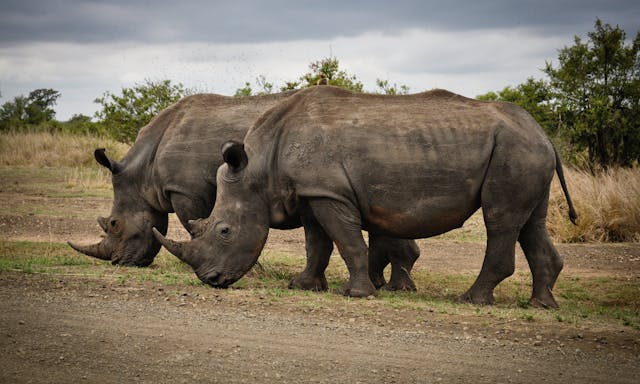
Wildlife trafficking threatens the planet’s biodiversity and natural balance. Combating this crime takes a global effort involving laws, education, and cooperation. Protecting wildlife ensures a healthier world for animals and people alike.


Was This Article Helpful?
Click on a star to rate it!
Thank you for your vote!

Average Rating: 5/5 Votes: 26
Be the first to rate this post!

Latest Posts
The Importance of Animal Welfare Laws

Sustainable Cities and Urban Planning