Solo Travel: Opportunities and Challenges
Solo travel has become an appealing way to explore new places, meet people, and experience different cultures at your own pace. Whether visiting a busy city, hiking through the mountains, or relaxing by the sea, traveling alone gives you the freedom to plan a trip around your own interests and priorities.
At the same time, traveling without companions requires preparation, flexibility, and confidence. Solo travelers must make their own decisions, manage their budgets, and handle unexpected situations without always having someone nearby to help.
Understanding the opportunities and challenges of solo travel can help you decide whether it is right for you and prepare for a more enjoyable experience.
Why Do People Choose Solo Travel?
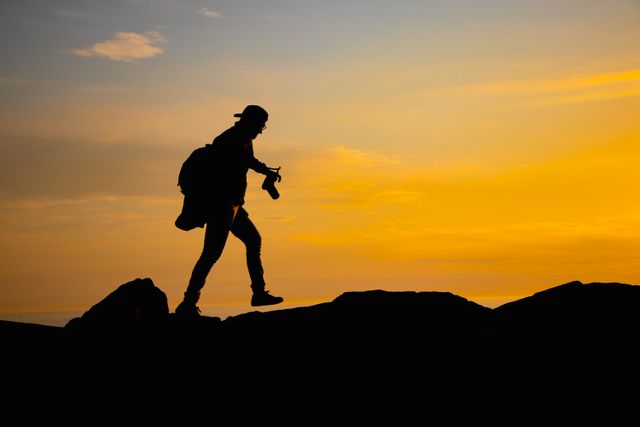
People travel alone for different reasons. Some want independence, while others have specific interests or schedules that do not align with those of friends and family.
One of the biggest advantages is freedom. Solo travelers can choose where to go, what to see, and how long to stay without coordinating every decision with another person.
Other common motivations include:
- Personal growth: Traveling alone encourages people to make decisions and solve problems independently.
- Cultural discovery: Visitors can spend more time learning about local traditions, food, and everyday life.
- Flexible planning: It is easier to change an itinerary when only one person's preferences need to be considered.
- Time for reflection: Traveling alone can create opportunities to slow down, think, and step away from everyday routines.
- New social connections: Solo travelers may be more inclined to join group activities or talk with other travelers and local residents.
Solo travel does not necessarily mean spending the entire trip alone. Many people travel independently while joining guided tours, attending events, or meeting friends along the way.
The Main Benefits of Traveling Alone
Complete Freedom and Flexibility
When traveling alone, you can organize your days around your interests. You might spend hours in a museum, explore a neighborhood on foot, or change your plans because you discovered an interesting local event.
There is no need to compromise on every activity or follow someone else's schedule. This flexibility can make a trip feel more personal and relaxed.
Building Confidence and Independence
Solo travel often involves making unfamiliar decisions, from navigating public transportation to communicating in another language. Successfully handling these situations can help travelers become more confident in their abilities.
Even small achievements, such as finding a restaurant or solving a transportation problem, can make future trips feel less intimidating.
Deeper Cultural Experiences
Traveling alone can make it easier to notice details that might otherwise be overlooked. Without the distractions of group conversations, you may become more aware of local customs, architecture, food, and daily routines.
You may also be more likely to join a cooking class, take a walking tour, or speak with other visitors and residents.
Personalized Budget Choices
Traveling alone gives you control over how money is spent. You can choose budget accommodation, spend more on a special experience, or adjust your plans according to your financial priorities.
However, solo travel is not al
ways cheaper. You may have to cover the full cost of a hotel room, private transfers, or certain activities that would otherwise be shared.
Common Challenges of Solo Travel
Although traveling alone can be rewarding, it also comes with practical and emotional challenges.
Loneliness
Spending time alone can be enjoyable, but it may also become difficult during long trips or special occasions. Travelers may miss sharing meals, discoveries, and memorable experiences with someone close to them.
Joining group excursions, staying in social accommodation, or arranging calls with friends and family can help create a balance between independence and connection.
Safety Concerns
Solo travelers are responsible for making many safety decisions themselves. Risks vary depending on the destination, local conditions, transport options, and individual circumstances.
Researching neighborhoods, checking local guidance, protecting valuables, and planning transportation in advance can reduce avoidable risks. It is also useful to share your itinerary with someone you trust and know how to contact local emergency services.
Higher Individual Costs
Some expenses do not decrease when traveling alone. Accommodation, taxis, private tours, and other services may cost nearly the same regardless of the number of travelers.
Comparing accommodation options, using public transportation where practical, and choosing group activities can help manage expenses.
Unexpected Problems
Missed connections, cancellations, illness, and language barriers can be more stressful when there is no travel companion to help.
Keeping digital and offline copies of important documents, having backup payment methods, and allowing extra time between connections can make unexpected situations easier to manage.
Decision Fatigue
Planning every meal, activity, and transportation connection can become tiring. Too many decisions may make a trip feel like a project rather than a break.
A balanced itinerary should include free time, simple routines, and the flexibility to skip activities when needed.
Solo Travel vs. Traveling With Companions
Both travel styles offer different advantages. The right choice depends on your personality, budget, destination, and expectations.
|
Aspect |
Solo Travel |
Traveling With Companions |
|
Planning |
Full control over the itinerary |
Decisions are shared |
|
Flexibility |
Easy to change plans independently |
Changes may require agreement |
|
Costs |
Some expenses must be paid individually |
Shared costs may reduce individual expenses |
|
Social experience |
Opportunities to meet new people |
Familiar company throughout the trip |
|
Problem-solving |
You usually handle issues yourself |
Companions can provide support |
|
Personal growth |
Encourages independence and self-reliance |
Develops cooperation and shared decision-making |
Neither approach is inherently better. Some travelers prefer independent trips, while others enjoy sharing experiences with friends or family. A combination of solo travel and occasional group activities can also work well.
How to Prepare for a Solo Trip
Good preparation can make independent travel more comfortable without removing the sense of adventure.
Research Your Destination
Learn about local transportation, weather, customs, entry requirements, and the areas where you plan to stay. Check current travel advisories and understand which neighborhoods or activities may require additional caution.
It is also helpful to learn a few basic phrases in the local language, particularly greetings and expressions for asking for assistance.
Plan Your First Day
Arriving in an unfamiliar destination can be tiring, especially after a long journey. Book your first night's accommodation in advance, check how to get there, and avoid scheduling too many activities immediately after arrival.
Knowing how to reach your accommodation can reduce stress and help you settle in.
Create a Realistic Budget
Estimate the costs of transportation, accommodation, meals, attractions, insurance, and emergency expenses.
|
Expense |
What to Consider |
|
Transportation |
Flights, trains, buses, local transit, and airport transfers |
|
Accommodation |
Nightly rates, location, and additional fees |
|
Food |
Groceries, casual meals, restaurants, and drinks |
|
Activities |
Tickets, tours, classes, and outdoor experiences |
|
Insurance |
Coverage for medical emergencies, cancellations, and eligible losses |
|
Emergency reserve |
Unexpected transport, accommodation, or other essential costs |
Keep some flexibility in your budget because prices and plans can change. Carry a backup payment method and avoid relying entirely on one card or device.
Keep Important Information Accessible
Store copies of your travel documents, accommodation details, insurance information, and emergency contacts securely. Keep essential information available offline in case you lose internet access.
Let someone you trust know your general itinerary and how to reach you.
How to Meet People While Traveling Alone
One concern for first-time solo travelers is whether they will feel isolated. Fortunately, independent travel offers many opportunities to meet people without committing to a group for the entire trip.
Consider these options:
- Join walking tours: Guided tours offer a structured way to explore a destination and talk with other participants.
- Choose social accommodation: Hostels and guesthouses may provide communal spaces or organized activities.
- Take a class: Cooking lessons, language classes, dance sessions, and craft workshops bring people together around a shared interest.
- Attend local events: Markets, festivals, concerts, and community activities can introduce you to local culture.
- Use traveler communities carefully: Online groups can help you discover activities or arrange meetups, but meet new contacts in public places and protect personal information.
It is equally important to respect your own preferences. You do not need to socialize constantly to have a successful solo trip. Enjoying time alone is one of the benefits of traveling independently.
Is Solo Travel Right for You?
Solo travel can suit many different people, from experienced travelers to those taking their first independent trip. You do not need to be extremely outgoing or adventurous to enjoy it.
If you are uncertain, start with a short trip to a destination with reliable transportation, suitable accommodation, and activities that interest you. A familiar city or a nearby destination may feel more manageable than a complicated international journey.
Think about what you want from the experience. If independence, flexibility, and personal discovery appeal to you, solo travel may be a good fit. If you prefer shared decision-making or feel uncomfortable spending extended periods alone, you can still travel independently while arranging tours or meetups along the way.
The goal is not to prove that you can do everything alone. It is to create a trip that matches your comfort level and interests.
Conclusion
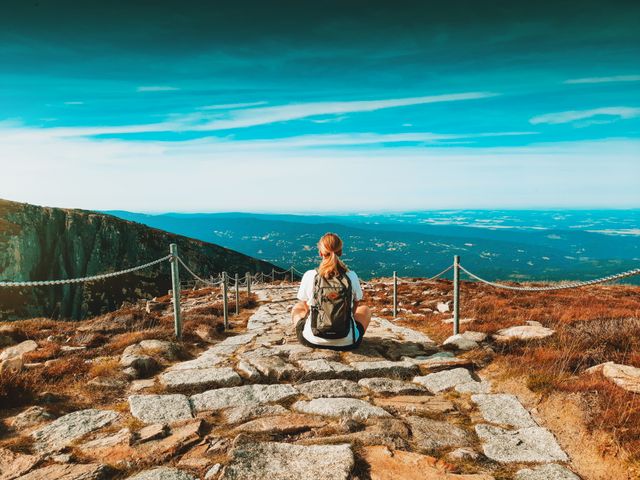
Solo travel offers the freedom to explore the world on your own terms. It can encourage personal growth, provide opportunities for cultural discovery, and help you become more comfortable making independent decisions.
However, traveling alone also requires practical preparation. Managing costs, staying aware of your surroundings, dealing with unexpected problems, and balancing solitude with social interaction are all important parts of the experience.
With realistic planning and an open mind, solo travel can become a rewarding way to discover new places and learn more about yourself. Start with a trip that feels manageable, remain flexible, and give yourself permission to enjoy the journey at your own pace.
Frequently Asked Questions
Pack essential documents, payment methods, a phone and charger, any necessary medication, weather-appropriate clothing, and basic personal items. Keep important information accessible offline and avoid carrying more valuables than you need.


Was This Article Helpful?
Click on a star to rate it!
Thank you for your vote!
Average Rating: 0/5 Votes: 0
Be the first to rate this post!

Expert in backend development and database architecture. Specializes in building, optimizing, and maintaining scalable PHP applications, designing efficient database structures, and ensuring data integrity and performance. Experienced in working with relational databases, writing optimized queries, and integrating backend systems with APIs and business logic to support reliable, high-performance web solutions.
View LinkedIn ProfileLatest Posts

Lifestyle Design for Personal Freedom

Outdoor DIY Projects for Your Backyard
Fashion Weeks and Their Cultural Impact