Supporting Children’s Emotional Development: Building Healthy Minds and Strong Relationships
Children’s emotional development is a critical part of growing up. It affects how they understand feelings, build relationships, handle challenges, and develop confidence. Support from parents, caregivers, teachers, and communities helps children learn how to express emotions, manage stress, and develop empathy.
A strong emotional foundation during childhood can influence social skills, decision-making, and overall well-being throughout life.

What Is Emotional Development in Children?
Emotional development refers to how children learn to recognize, understand, express, and manage emotions.
It includes developing abilities such as:
- Identifying feelings
- Communicating emotions
- Building self-confidence
- Showing empathy
- Managing frustration
- Developing healthy relationships
Children develop these skills gradually through experiences, guidance, and positive interactions.
Why Emotional Development Matters
Emotional skills help children navigate everyday situations.
Healthy emotional development can support:
- Better communication
- Stronger friendships
- Improved problem-solving
- Greater resilience
- Positive self-image
- Ability to handle challenges
Children who understand their emotions are often better prepared to cope with changes and difficulties.
Creating a Safe and Supportive Environment
A safe environment helps children feel secure enough to express themselves.
Adults can support emotional growth by:
- Listening without judgment
- Showing consistent care
- Creating predictable routines
- Encouraging open conversations
- Recognizing children’s feelings
When children feel valued and understood, they are more likely to develop emotional confidence.
Teaching Children to Identify Emotions
Young children may experience strong feelings without knowing how to describe them.
Adults can help by teaching emotional vocabulary, such as:
- Happy
- Sad
- Angry
- Worried
- Excited
- Disappointed
Naming emotions helps children understand what they are experiencing and communicate more effectively.
|
Emotional Skill |
How Adults Can Support It |
Long-Term Benefit |
|
Recognizing feelings |
Teach emotion words and discuss experiences |
Better self-awareness |
|
Managing emotions |
Practice calming strategies |
Improved self-control |
|
Building empathy |
Encourage understanding others’ feelings |
Stronger relationships |
|
Problem-solving |
Guide children through challenges |
Greater independence |
|
Confidence |
Celebrate effort and progress |
Positive self-esteem |
Encouraging Open Communication
Children need opportunities to talk about their thoughts and feelings.
Helpful approaches include:
- Asking open-ended questions
- Listening carefully
- Validating emotions
- Avoiding dismissing concerns
Instead of immediately solving every problem, adults can help children think through situations and express their own ideas.
Teaching Emotional Regulation Skills
Emotional regulation is the ability to manage strong feelings in healthy ways.
Children can learn techniques such as:
- Taking deep breaths
- Taking breaks
- Using creative activities
- Talking about problems
- Practicing patience
These skills help children respond thoughtfully rather than reacting impulsively.
Building Self-Confidence
Confidence develops when children feel capable and supported.
Adults can encourage confidence by:
- Praising effort rather than only results
- Allowing children to make age-appropriate choices
- Encouraging curiosity
- Supporting new challenges
A child who believes they can learn and improve develops a stronger sense of self.
Teaching Empathy and Kindness
Empathy helps children understand and care about others.
Adults can promote empathy by:
- Discussing other people’s feelings
- Encouraging kindness
- Modeling respectful behavior
- Helping children consider different perspectives
Learning empathy improves relationships and social awareness.
The Importance of Play
Play is a powerful tool for emotional development.
Through play, children learn to:
- Express feelings
- Practice social skills
- Solve problems
- Develop creativity
- Understand different viewpoints
Activities such as pretend play, games, and creative projects help children explore emotions naturally.
Supporting Emotional Development at School
Schools play an important role in children’s emotional growth.
Teachers can support students through:
- Positive classroom environments
- Cooperation activities
- Emotional learning programs
- Conflict-resolution skills
- Encouragement and feedback
Social and emotional learning helps children succeed both academically and personally.
Helping Children Handle Difficult Experiences
Children may face challenges such as:
- Changes in family situations
- School difficulties
- Friendship problems
- Fear or uncertainty
Supportive adults can help by:
- Providing reassurance
- Encouraging communication
- Maintaining routines
- Teaching coping skills
Children benefit when they know they do not have to handle difficult emotions alone.
Being a Positive Emotional Role Model
Children often learn by observing adults.
Adults can model healthy emotional habits by:
- Expressing feelings appropriately
- Managing stress calmly
- Apologizing when mistakes happen
- Showing kindness and respect
Demonstrating emotional skills is one of the most effective ways to teach them.
Challenges in Supporting Emotional Development
Helping children develop emotionally can be challenging because:
- Every child develops differently
- Some children struggle to express feelings
- Adults may have limited time or resources
- Modern life can create additional stress
Patience and consistency are important parts of the process.
The Role of Technology and Emotional Growth
Technology can influence children’s emotional development in both positive and negative ways.
Helpful uses include:
- Educational emotional learning apps
- Creative activities
- Communication tools
However, children also need:
- Healthy screen habits
- Real-world social interaction
- Time for physical activity and play
Balance is key to healthy development.
Conclusion
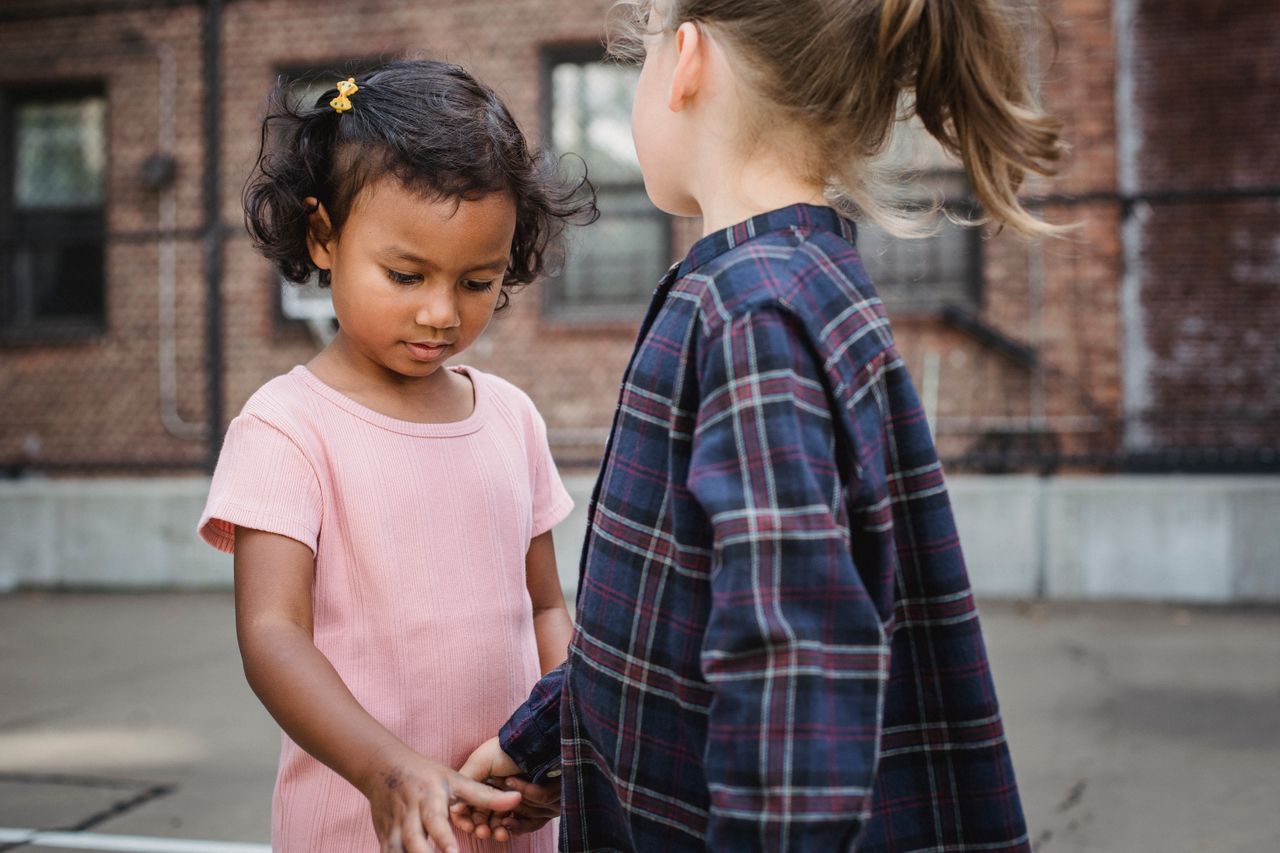
Supporting children’s emotional development helps them build the skills needed for healthy relationships, confidence, and resilience. By creating supportive environments, encouraging communication, teaching emotional regulation, and modeling positive behavior, adults can help children understand themselves and others.
Emotional development is not learned overnight—it grows through everyday interactions, caring relationships, and opportunities to learn from experiences.
Frequently Asked Questions
Play helps children express emotions, develop social skills, and practice understanding different situations.


Was This Article Helpful?
Click on a star to rate it!
Thank you for your vote!

Average Rating: 0/5 Votes: 0
Be the first to rate this post!

Proficient background in project planning, execution, and continuous improvement. Experienced in analyzing ideas and forecasting project success, defining requirements and timelines, and managing communication across cross-functional teams. Skilled in creating and maintaining project documentation, automating processes, and making data-driven decisions in critical situations.
View LinkedIn ProfileLatest Posts

How Individuals Can Support Animal Protection: Simple Actions That Create Change

The Role of Consumers in Sustainability: How Everyday Choices Can Create Change

Human Rights Challenges in Conflict Zones: Protecting People During Crisis