Encouraging Creativity in Children
Creativity plays an important role in childhood development. It helps children explore their interests, express emotions, solve problems, and understand the world around them. Whether a child is drawing a picture, building with blocks, inventing a story, or experimenting with different materials, creative activities provide opportunities to learn through exploration.
Encouraging creativity does not mean teaching children to produce perfect artwork or come up with original ideas every time. It means giving them the freedom, time, and support to experiment, make mistakes, and discover their own ways of thinking.
Parents, teachers, and caregivers can nurture creativity through everyday activities and a supportive environment. Small changes in how adults respond to children's ideas can make a meaningful difference.
Why Creativity Matters in Childhood
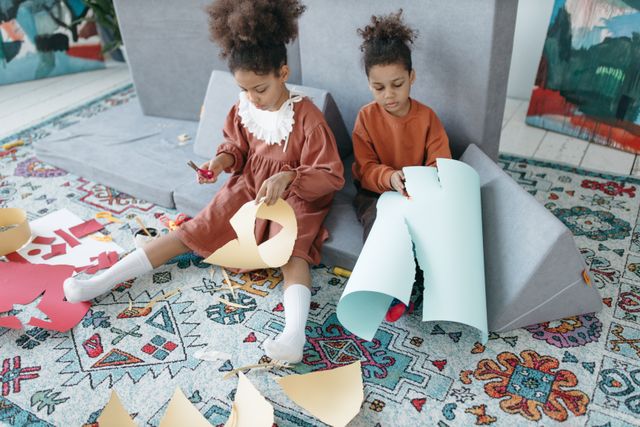
Creativity is more than artistic ability. It includes imagination, curiosity, flexible thinking, and the ability to approach problems in different ways.
When children have opportunities to create, they can develop several important skills.
- Problem-solving: Children learn to test ideas, find alternatives, and adjust their approach when something does not work.
- Communication: Drawing, storytelling, music, and pretend play help children express thoughts and feelings.
- Confidence: Completing a project or sharing an idea can help children trust their abilities.
- Emotional expression: Creative activities offer different ways to explore emotions that may be difficult to describe in words.
- Independent thinking: Children learn that there can be several possible answers to a question.
- Curiosity: Exploring materials and experimenting with ideas encourages children to ask questions and discover new things.
Creative activities can also support cooperation when children work together on a shared project. They learn to listen to others, exchange ideas, and find solutions as a team.
Provide Opportunities for Open-Ended Play
Open-ended play allows children to decide what to create and how to use materials. Instead of following a fixed set of instructions, they can experiment and change their ideas as they go.
For example, a collection of building blocks might become a castle, a spaceship, a zoo, or something entirely unexpected. There is no single correct outcome.
Useful materials for open-ended play include:
- Building blocks, magnetic tiles, and construction sets
- Cardboard boxes, paper rolls, and reusable packaging
- Modeling clay, play dough, and child-safe craft materials
- Toy animals, figures, and miniature objects
- Fabric pieces, ribbons, and dress-up clothes
- Natural materials such as leaves, stones, and pinecones, collected and used safely
Adults can encourage exploration by asking questions such as, "What else could you make with these?" or "What might happen if you try a different way?"
The aim is to support children's ideas without taking control of the activity.
Encourage Artistic Expression Without Pressure
Drawing, painting, crafting, music, and movement give children opportunities to experiment with colors, shapes, sounds, and textures.
Let Children Choose Their Materials
Offer a variety of age-appropriate supplies and allow children to decide what interests them. One child may enjoy painting, while another prefers cutting paper, making collages, or creating sculptures.
Children do not need expensive materials to be creative. Paper, crayons, recycled cardboard, and homemade play dough can provide hours of exploration.
Focus on the Process, Not the Result
When children create something, adults may be tempted to correct their work or show them how to make it look more realistic. However, too much direction can limit experimentation.
Instead of focusing only on the finished product, notice the choices children make and the effort they put into their work.
For example, rather than saying, "That house should have a red roof," try asking, "What made you choose those colors?"
Avoid Comparing Children
Every child develops different interests and skills at a different pace. Comparing drawings, crafts, or performances can make creative activities feel like competitions.
Encourage children to explore their own ideas and recognize that there are many ways to express themselves.
Use Storytelling to Develop Imagination
Stories allow children to invent characters, explore possibilities, and create imaginary worlds. Storytelling can also support language development and help children organize their thoughts.
There are many simple ways to introduce creative storytelling at home or in the classroom.
- Create a story together: One person starts with a sentence, and each participant adds a new idea.
- Change a familiar story: Ask children what might happen if a character made a different choice.
- Use picture prompts: Show a picture and invite children to imagine what happened before or after the scene.
- Invent unusual characters: Encourage children to imagine a talking tree, a friendly monster, or an animal with a surprising talent.
- Act out stories: Use toys, puppets, costumes, or simple household objects to bring characters to life.
For younger children, stories can be short and spontaneous. Older children may enjoy writing their own endings, illustrating a book, or creating a series of connected adventures.
The important thing is to give children room to develop their ideas without correcting every detail.
Make Creativity Part of Everyday Life
Creative development does not need to happen during a dedicated lesson. Everyday routines offer plenty of opportunities for children to explore, ask questions, and make decisions.
Here are a few examples:
- Cooking: Let children help choose ingredients, decorate food, or suggest a new combination of flavors.
- Gardening: Invite them to arrange plants, observe insects, or imagine ways to create a small garden.
- Outdoor exploration: Collect leaves, look for patterns in nature, or invent games using objects found outdoors.
- Music and movement: Make rhythms with household objects, invent dance moves, or create songs together.
- Everyday problem-solving: Ask children to think of different ways to organize toys, build a simple structure, or prepare for an outing.
These activities teach children that creativity is not limited to art supplies. It can be part of how they approach ordinary tasks and challenges.
Create an Environment That Supports Creativity
Children are more likely to experiment when they feel safe sharing ideas and making mistakes. A supportive environment does not need to be large or expensive. It simply needs to provide opportunities for exploration.
|
What Children Need |
How Adults Can Help |
|
Time to explore |
Leave room in the schedule for unstructured play |
|
Accessible materials |
Keep basic art and building supplies within safe reach |
|
Freedom to experiment |
Allow children to try different approaches |
|
Emotional support |
Respond calmly when an idea does not work |
|
Inspiration |
Provide books, music, nature experiences, and interesting objects |
|
Recognition |
Show interest in children's ideas without judging every result |
It is also helpful to allow children to experience occasional boredom. When every moment is filled with planned entertainment, they may have fewer opportunities to invent their own activities.
Adults can offer a few materials or suggestions, then give children time to decide what to do.
Help Children Learn From Mistakes
Creative work rarely follows a perfectly predictable path. A tower may fall, a drawing may look different from what a child imagined, or a science experiment may produce an unexpected result.
These moments can become valuable learning opportunities.
Instead of immediately fixing the problem, encourage children to think about what happened. You might ask:
- "What do you think went wrong?"
- "What could you try differently?"
- "Is there another way to solve this?"
- "What did you discover while trying?"
This approach helps children understand that mistakes are a normal part of learning rather than a sign of failure.
It is important to keep expectations appropriate for the child's age and abilities. Younger children may need more hands-on support, while older children may be ready to plan, test, and revise their own ideas.
Balance Technology With Hands-On Activities
Digital tools can provide additional ways for children to create. Drawing applications, music programs, animation tools, and age-appropriate coding activities can introduce new creative possibilities.
For example, children might design a digital character, record a short story, make a simple animation, or build a basic interactive project.
However, technology should complement other experiences rather than replace all physical play, movement, outdoor exploration, and face-to-face interaction.
When choosing digital activities, consider the child's age, privacy, accessibility, and the quality of the content. Whenever possible, encourage children to make something rather than simply watch or consume content.
Conclusion
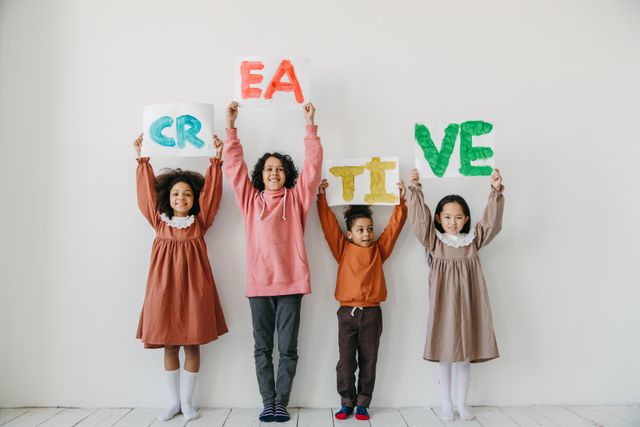
Encouraging creativity in children begins with curiosity, freedom, and support. Open-ended play, artistic activities, storytelling, everyday experiments, and hands-on projects can help children develop imagination, confidence, and problem-solving skills.
Adults do not need to provide perfect materials or organize elaborate activities. Often, the most valuable thing they can do is offer a few simple resources, ask thoughtful questions, and allow children to explore their own ideas.
By creating an environment where experimentation is welcomed and mistakes are treated as part of learning, parents and educators can help children build creative habits that support them throughout life.
Frequently Asked Questions
It can do either, depending on the activity. Digital drawing, music creation, animation, and coding can support creativity, while passive viewing offers fewer opportunities for active experimentation. A balanced mix of digital and hands-on experiences is useful.


Was This Article Helpful?
Click on a star to rate it!
Thank you for your vote!
Average Rating: 0/5 Votes: 0
Be the first to rate this post!

Proficient background in project planning, execution, and continuous improvement. Experienced in analyzing ideas and forecasting project success, defining requirements and timelines, and managing communication across cross-functional teams. Skilled in creating and maintaining project documentation, automating processes, and making data-driven decisions in critical situations.
View LinkedIn ProfileLatest Posts

Lifestyle Design for Personal Freedom

Outdoor DIY Projects for Your Backyard

Fashion Weeks and Their Cultural Impact