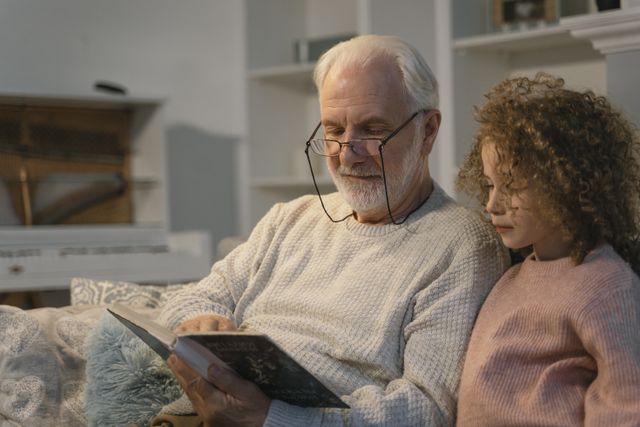
The Rise of Slow Living
Modern life often feels like a race. Work, notifications, social media, errands, and endless to-do lists can make even a normal day feel packed.
Slow living offers a different approach. Rather than trying to do everything faster, it encourages people to become more intentional about how they spend their time, what they consume, and what they give their attention to.
It doesn't mean abandoning modern life or moving to the countryside. In many cases, slow living is simply about creating more space for things that matter.

What Is Slow Living?
Slow living is a lifestyle approach centered around intentionality, mindfulness, and a more deliberate pace.
The idea is not necessarily to do less of everything. Instead, it's about avoiding the feeling that every moment needs to be optimized.
For one person, that might mean cooking dinner instead of ordering food. For another, it could mean taking a walk without checking their phone or setting aside an evening without work notifications.
The details are different, but the underlying idea is similar: pay more attention to how you spend your time.
Why Are People Interested in Slow Living?
Constant connectivity has made it possible to work, communicate, shop, and consume entertainment almost anywhere.
That convenience can be useful, but it can also make it difficult to switch off.
Slow living appeals to people who want to create clearer boundaries and spend more time on activities that feel meaningful rather than simply filling every available minute.
Quality Over Quantity
Slow living often changes the way people think about consumption.
Instead of constantly buying new things, someone might choose fewer products that are durable, useful, or personally meaningful.
This can apply to clothing, furniture, food, technology, and everyday household items.
|
Fast-Paced Habit |
Slow Living Alternative |
Possible Benefit |
|
Eating while working |
Taking time for a meal |
More intentional breaks |
|
Constant notifications |
Scheduled screen-free periods |
Fewer interruptions |
|
Frequent impulse purchases |
Buying more deliberately |
Less unnecessary consumption |
|
Overfilled schedules |
Leaving some free time |
More flexibility |
|
Rushing through hobbies |
Focusing on the process |
Greater enjoyment |
Creating Slower Daily Routines
You don't need to redesign your entire lifestyle to experiment with slow living.
Start with one routine.
Instead of immediately checking your phone after waking up, spend the first few minutes stretching, making breakfast, or simply sitting quietly.
You could also create a slower evening routine by reducing screen time, preparing food at home, reading, or taking a short walk.
Small changes are often easier to maintain than dramatic lifestyle transformations.
Slow Food and Mindful Eating
Food is one of the easiest areas where slow living can become practical.
Cooking at home, choosing seasonal ingredients, preparing a meal from scratch, or simply eating without a screen can make meals feel less like another task.
This doesn't mean every meal needs to become a complicated cooking project. Even making a simple breakfast and eating it without distractions can create a more deliberate moment in the day.
Spending Less Time Online
Technology isn't the enemy of slow living. The goal is to use it intentionally.
Try turning off non-essential notifications, creating phone-free periods, or keeping your phone away during meals.
You might also decide which social platforms actually add value to your day and which ones simply encourage endless scrolling.
The point isn't to disconnect completely. It's to regain some control over your attention.
Making Space for Hobbies
Hobbies often get pushed aside when life becomes busy.
Slow living encourages making room for activities simply because you enjoy them.
Reading, gardening, painting, crafting, photography, cooking, walking, playing an instrument, or spending time outdoors can all become part of a slower routine.
A hobby doesn't have to be productive to be worthwhile.
Connecting With People
Slower living can also involve spending more intentional time with other people.
Instead of communicating only through short messages, make time for a longer conversation, shared meal, walk, or visit.
Meaningful connection often requires attention, and attention is difficult to give when you're constantly checking another screen.
Slow Living Doesn't Mean Doing Nothing
One common misunderstanding is that slow living means being unproductive.
That's not necessarily the case.
You can have ambitious goals, work hard, travel, build a business, or pursue a demanding career while still choosing when to slow down.
The difference is that slower living asks you to consider whether your pace actually supports the life you want.
The Benefits of a More Intentional Pace
The effects of slow living can vary from person to person.
Some people may find that slowing down helps them enjoy everyday activities more. Others may appreciate having clearer boundaries between work and personal time.
It can also encourage more thoughtful consumption and make room for activities that are easy to overlook when every day is packed.
Finding Your Own Version of Slow Living
There is no universal slow-living routine.
For someone with a busy family schedule, slow living might mean having one screen-free dinner together. For someone working remotely, it might mean taking a proper lunch break.
The goal isn't to copy someone else's lifestyle from social media. It's to identify where your own life feels unnecessarily rushed and make small adjustments.

Conclusion
The rise of slow living reflects a growing interest in intentionality rather than constant speed.
You don't need to abandon technology, work, or modern conveniences. Instead, you can become more selective about where your attention goes and create more space for meaningful experiences.
Start small. Put your phone away during one meal, take a slower walk, cook something from scratch, or protect an hour for a hobby. Sometimes slowing down doesn't require changing your whole life. It simply requires noticing how you're spending it.
Frequently Asked Questions
Not necessarily. Someone can remain ambitious while choosing a pace and routine that leave room for rest, relationships, hobbies, and other priorities.


Was This Article Helpful?
Click on a star to rate it!
Thank you for your vote!

Average Rating: 0/5 Votes: 0
Be the first to rate this post!

Tech entrepreneur & digital strategist with over 9 years of experience in backend development and more than 5 years in executive leadership. Education Software and Web developer. More than 20 years of experience in software and web development.
View LinkedIn ProfileLatest Posts

Conflict Resolution in Relationships
How to Develop a Growth Mindset

How Diet Affects Energy Levels