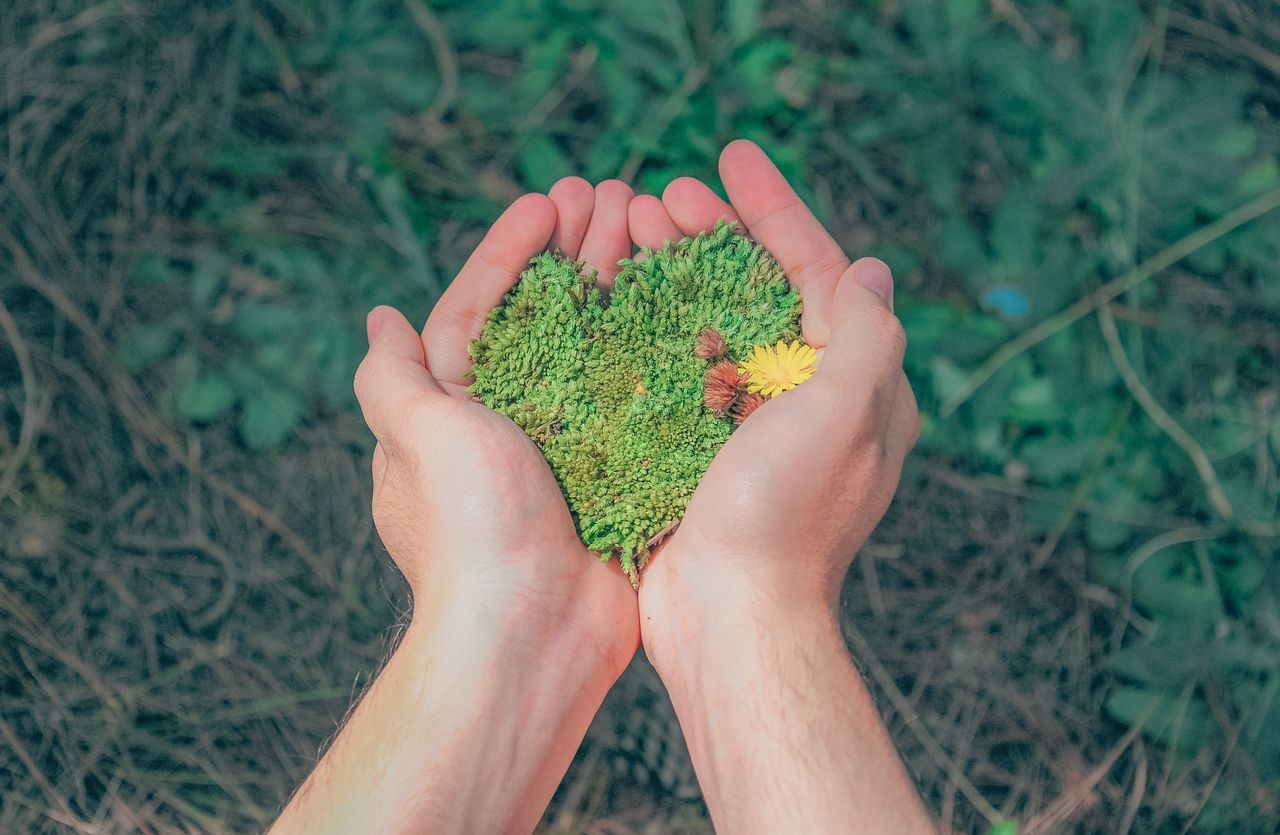
Building a Lifestyle That Supports Happiness: Creating Habits for a More Fulfilling Life
Happiness is not only the result of major achievements or special moments—it is often shaped by everyday choices, habits, relationships, and the way people approach life. Building a lifestyle that supports happiness involves creating routines and environments that encourage emotional balance, meaningful connections, personal growth, and overall well-being.
A happier lifestyle does not require perfection. It develops through consistent actions that align with personal values and priorities.

Understanding What Creates Lasting Happiness
Happiness is influenced by many factors, including:
- Physical health
- Emotional well-being
- Relationships
- Sense of purpose
- Personal growth
- Gratitude and positive thinking
While circumstances can affect happiness, daily habits often play a significant role in how people experience their lives.
Creating Healthy Daily Routines
Daily routines provide structure and stability.
Helpful habits include:
- Maintaining regular sleep schedules
- Planning important tasks
- Making time for relaxation
- Practicing healthy eating habits
- Creating moments for reflection
Small consistent actions can create a strong foundation for a balanced lifestyle.
Prioritizing Physical Health
The body and mind are closely connected. Taking care of physical health can support energy levels and emotional resilience.
Important areas include:
- Regular movement and exercise
- Nutritious meals
- Quality sleep
- Time outdoors
- Proper hydration
Physical wellness does not require extreme changes—small improvements can make a meaningful difference.
Building Strong Relationships
Positive relationships are one of the most important parts of a fulfilling life.
Healthy connections provide:
- Support during difficult times
- Shared experiences
- Emotional encouragement
- A sense of belonging
Building relationships requires effort through communication, kindness, and genuine attention.
|
Lifestyle Area |
Helpful Practices |
Positive Impact |
|
Physical health |
Exercise, nutrition, rest |
More energy and resilience |
|
Relationships |
Communication and quality time |
Stronger emotional support |
|
Personal growth |
Learning and new experiences |
Increased confidence |
|
Mindfulness |
Reflection and awareness |
Better emotional balance |
|
Environment |
Organized and positive spaces |
Greater comfort and focus |
Practicing Gratitude
Gratitude helps people focus on positive aspects of life.
Simple practices include:
- Writing down things to appreciate
- Thanking others
- Noticing small enjoyable moments
- Reflecting on personal progress
Gratitude does not ignore challenges but can help create a more balanced perspective.
Developing a Growth Mindset
A growth mindset focuses on learning and improvement rather than perfection.
It involves:
- Seeing challenges as opportunities
- Learning from mistakes
- Trying new skills
- Celebrating progress
Personal growth creates a sense of purpose and achievement.
Managing Stress Effectively
Stress is a normal part of life, but managing it well supports happiness.
Helpful strategies include:
- Taking breaks
- Practicing relaxation techniques
- Spending time on enjoyable activities
- Setting realistic goals
- Maintaining healthy boundaries
Learning how to recover from stress is an important life skill.
Creating a Positive Living Environment
The spaces people spend time in can influence mood and productivity.
A supportive environment may include:
- Organized areas
- Natural light
- Personal items with meaning
- Comfortable spaces for rest
- Reduced unnecessary clutter
A peaceful environment can encourage relaxation and creativity.
Finding Purpose and Meaning
A sense of purpose gives direction to everyday life.
Purpose can come from:
- Helping others
- Career goals
- Creative activities
- Personal values
- Community involvement
Meaningful activities often create deeper satisfaction than temporary pleasures.
Limiting Negative Influences
A happier lifestyle often involves being intentional about what receives attention.
This may include:
- Reducing excessive screen time
- Avoiding constant comparison
- Choosing supportive relationships
- Being mindful of media consumption
Protecting mental space allows more room for positive experiences.
Making Time for Joy
Happiness grows when people make space for enjoyable activities.
Examples include:
- Hobbies
- Music
- Travel
- Reading
- Creative projects
- Time with loved ones
Joy does not need to be expensive or complicated—it often comes from simple meaningful moments.
The Importance of Balance
A happy lifestyle is not about being positive all the time. Real happiness includes accepting different emotions and handling challenges with flexibility.
Balance means:
- Working toward goals while resting
- Caring for others while caring for yourself
- Seeking improvement while accepting imperfections
- Enjoying the present while planning for the future
Common Barriers to Happiness
People may struggle with happiness because of:
- Unrealistic expectations
- Constant comparison
- Lack of rest
- Ignoring personal needs
- Focusing only on achievements
Recognizing these patterns can help create healthier habits.
How Technology Can Support Happiness
Technology can be helpful when used intentionally.
Positive uses include:
- Fitness tracking
- Learning platforms
- Staying connected with loved ones
- Meditation and wellness tools
- Organizing personal goals
However, maintaining balance is important to prevent technology from becoming a source of stress.
Building Happiness Through Small Changes
Long-lasting lifestyle improvements often come from small steps.
Examples include:
- Taking a daily walk
- Calling a friend regularly
- Learning something new
- Creating a calming morning routine
- Spending more time outdoors
Small habits become powerful when practiced consistently.

Conclusion
Building a lifestyle that supports happiness is a continuous process of making choices that improve well-being, relationships, and personal fulfillment. Healthy routines, meaningful connections, gratitude, personal growth, and intentional living all contribute to a more satisfying life.
Happiness is not a destination reached once—it is something built through everyday actions, perspectives, and experiences.
Frequently Asked Questions
Yes. Happiness can be supported through intentional habits, mindset changes, and healthier lifestyle choices.


Was This Article Helpful?
Click on a star to rate it!
Thank you for your vote!

Average Rating: 5/5 Votes: 1
Be the first to rate this post!

Expert in backend development and database architecture. Specializes in building, optimizing, and maintaining scalable PHP applications, designing efficient database structures, and ensuring data integrity and performance. Experienced in working with relational databases, writing optimized queries, and integrating backend systems with APIs and business logic to support reliable, high-performance web solutions.
View LinkedIn ProfileLatest Posts

How Individuals Can Support Animal Protection: Simple Actions That Create Change

The Role of Consumers in Sustainability: How Everyday Choices Can Create Change

Human Rights Challenges in Conflict Zones: Protecting People During Crisis