Eco-Friendly Home Decor Solutions: Creating Sustainable and Stylish Living Spaces
Eco-friendly home decor is becoming increasingly popular as more people look for ways to create beautiful homes while reducing their environmental impact. Sustainable decorating focuses on using responsible materials, minimizing waste, and choosing designs that support healthier living environments.
A sustainable home does not have to sacrifice style. With thoughtful choices, homeowners can create spaces that are comfortable, attractive, and environmentally conscious.
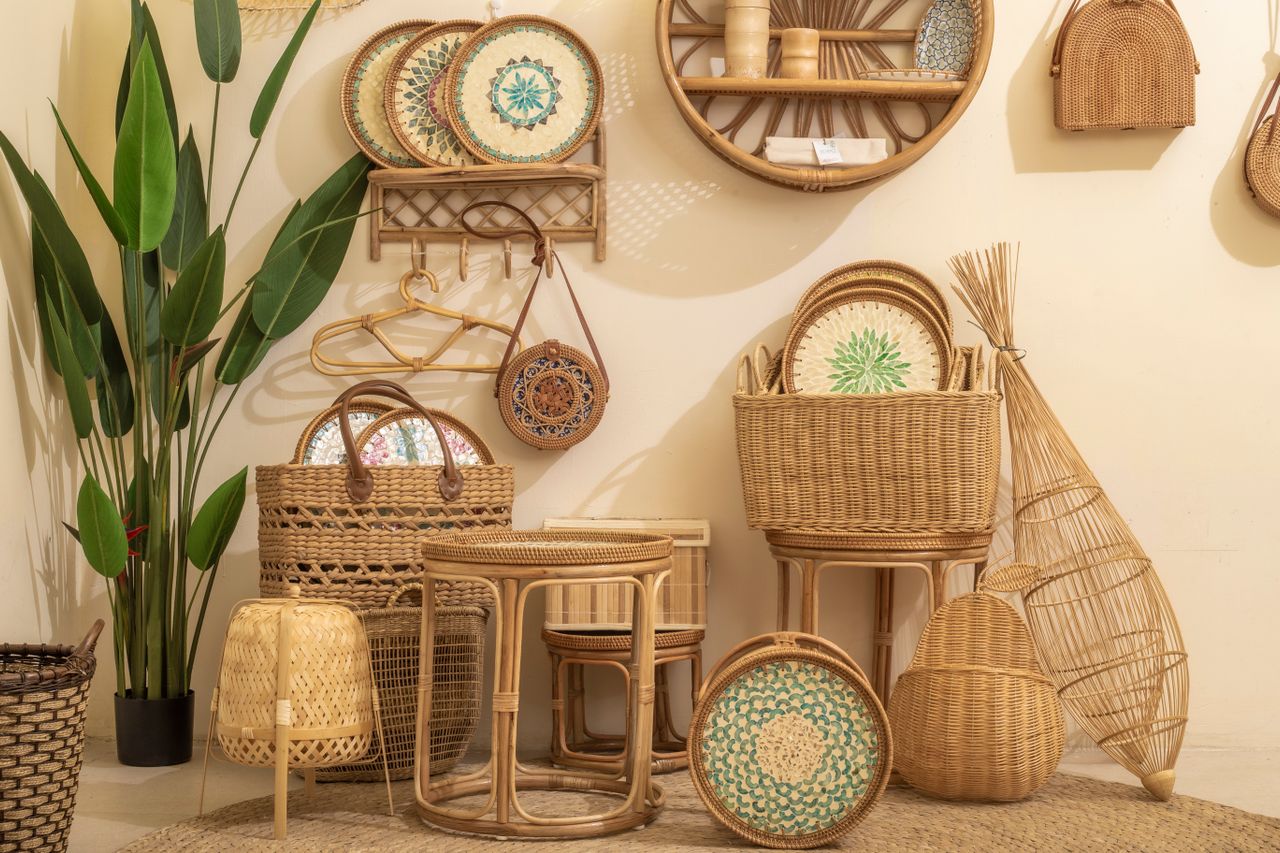
What Is Eco-Friendly Home Decor?
Eco-friendly home decor refers to decorating approaches that reduce harm to the environment while creating functional and attractive interiors.
It often involves:
- Using sustainable materials
- Choosing durable products
- Reducing waste
- Repurposing existing items
- Supporting ethical production
- Improving energy efficiency
The goal is to design spaces that are both visually appealing and environmentally responsible.
Choosing Sustainable Materials
The materials used in furniture and decorations have a major environmental impact.
Eco-friendly options include:
- Reclaimed wood
- Bamboo
- Organic fabrics
- Recycled glass
- Natural stone
- Cork
These materials often require fewer resources and can add unique textures and character to a home.
Buying Quality Over Quantity
Fast-changing decor trends can encourage unnecessary consumption. A more sustainable approach is choosing fewer, higher-quality pieces that last longer.
Benefits include:
- Less waste
- Lower long-term costs
- More timeless interiors
- Reduced demand for disposable products
Investing in durable furniture can make a home more sustainable over time.
Upcycling and Repurposing Furniture
Upcycling gives old items a new purpose instead of sending them to landfills.
Creative ideas include:
- Refinishing old wooden furniture
- Turning vintage items into decorations
- Repainting cabinets
- Transforming unused materials into storage solutions
|
Eco-Friendly Solution |
Example |
Environmental Benefit |
|
Reclaimed materials |
Reused wood furniture |
Reduces resource consumption |
|
Upcycling |
Restoring old pieces |
Minimizes waste |
|
Natural textiles |
Organic cotton curtains |
Reduces chemical use |
|
Indoor plants |
Green home decoration |
Improves indoor environment |
|
Energy-efficient lighting |
LED fixtures |
Lowers energy consumption |
Using Natural Textiles
Fabrics influence both sustainability and indoor comfort.
Eco-friendly textile choices include:
- Organic cotton
- Linen
- Hemp
- Wool
- Recycled fabrics
Natural materials can create a warm, comfortable atmosphere while reducing reliance on synthetic alternatives.
Adding Indoor Plants
Plants are one of the simplest ways to bring nature into interior design.
Indoor plants can:
- Add visual appeal
- Create a calming atmosphere
- Improve connection with nature
- Support healthier indoor spaces
Choosing locally grown plants can further reduce environmental impact.
Supporting Local and Ethical Makers
Buying from local artisans and responsible businesses can make home decorating more sustainable.
Advantages include:
- Supporting local economies
- Reducing transportation emissions
- Encouraging traditional craftsmanship
- Finding unique handmade pieces
Locally made decor often has a story and personal connection that mass-produced items may lack.
Choosing Sustainable Paints
Paint can affect indoor air quality through chemical emissions.
Eco-friendly paint options often include:
- Low-VOC paints
- Natural pigments
- Water-based finishes
These choices can help create healthier living environments.
Improving Energy Efficiency Through Design
Home decor can also contribute to energy savings.
Sustainable design ideas include:
- Using natural lighting
- Choosing energy-efficient lamps
- Installing reflective window treatments
- Arranging furniture to maximize daylight
Small changes can reduce energy use while improving comfort.
Creating Minimalist and Functional Spaces
Minimalist design supports sustainability by focusing on purpose and simplicity.
A sustainable minimalist approach involves:
- Avoiding unnecessary purchases
- Choosing versatile furniture
- Keeping spaces organized
- Appreciating existing items
This creates cleaner spaces while reducing consumption.
Decorating With Recycled and Vintage Items
Vintage and recycled decor can add personality while reducing environmental impact.
Examples include:
- Antique furniture
- Secondhand artwork
- Restored lighting fixtures
- Recycled decorative objects
These pieces often create unique interiors that cannot be easily replicated.
Benefits of Eco-Friendly Home Decor
Sustainable decorating offers several advantages.
Environmental Benefits
- Less waste
- Lower resource consumption
- Reduced pollution
Health Benefits
- Better indoor air quality
- Fewer harmful chemicals
- More natural surroundings
Financial Benefits
- Longer-lasting products
- Lower energy costs
- Reduced need for frequent replacements
Challenges of Sustainable Decorating
Eco-friendly home design can involve challenges such as:
- Higher upfront costs
- Limited availability of certain materials
- Need for more research
- Balancing sustainability with personal style
However, gradual changes can make a meaningful difference without requiring a complete home redesign.
The Future of Sustainable Interior Design
Future eco-friendly home trends may include:
- Smart energy-saving systems
- Circular furniture design
- More recycled materials
- Sustainable manufacturing
- Biophilic design focused on nature
As awareness grows, sustainable choices will continue becoming more accessible.
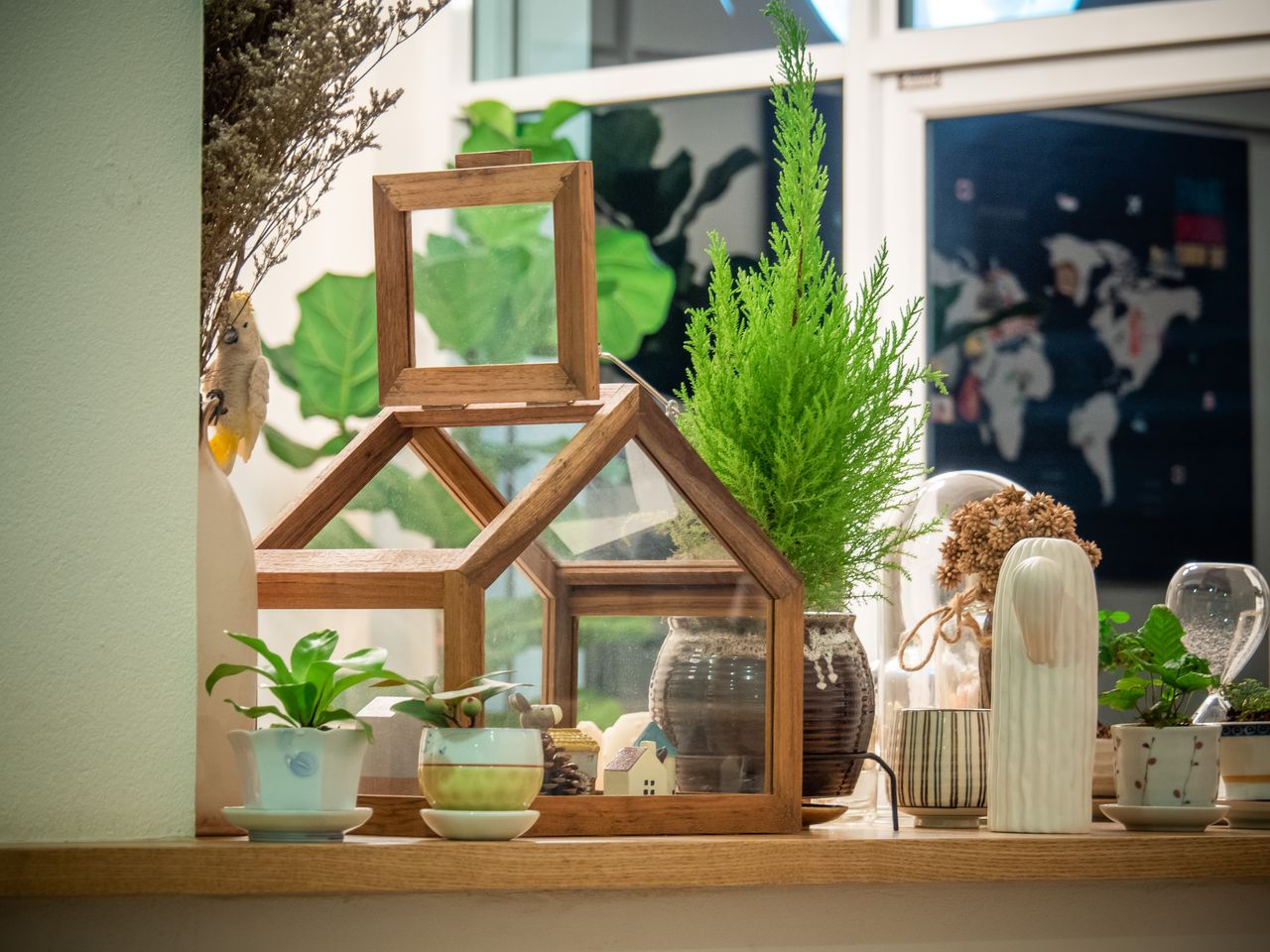
Conclusion
Eco-friendly home decor solutions allow people to create stylish living spaces while making responsible environmental choices. By selecting sustainable materials, reusing furniture, reducing waste, and designing with purpose, homeowners can build spaces that are healthier and more sustainable.
A greener home does not require perfection—it begins with thoughtful decisions that combine comfort, creativity, and care for the planet.
Frequently Asked Questions
Yes. Repairing, restoring, and repurposing old furniture are effective ways to reduce waste.


Was This Article Helpful?
Click on a star to rate it!
Thank you for your vote!

Average Rating: 0/5 Votes: 0
Be the first to rate this post!

Strong engineering background in mobile and backend development. Focusing on building scalable products, improving development processes — from architecture and APIs to UX redesigns, monetization, and analytics. Responsible for applications with 1M+ downloads and multi-project ecosystems.
View LinkedIn ProfileLatest Posts

How Individuals Can Support Animal Protection: Simple Actions That Create Change

The Role of Consumers in Sustainability: How Everyday Choices Can Create Change

Human Rights Challenges in Conflict Zones: Protecting People During Crisis