Budget-Friendly Interior Design Ideas
Redesigning your home doesn't have to mean spending a fortune. A few thoughtful changes can make a room feel fresher, more comfortable, and more personal without requiring a complete renovation.
The key is to focus on changes that have a visible impact while making the most of what you already own. Sometimes, moving furniture, improving lighting, or adding a few carefully chosen accessories can transform a space more than an expensive makeover.
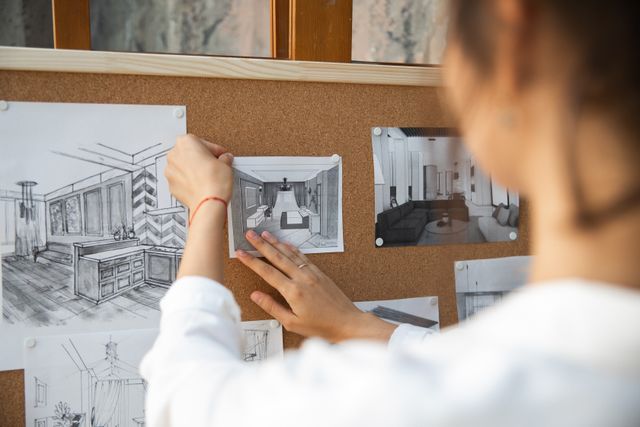
Start With a Plan
Before buying anything, take a look at the room you already have.
What feels outdated? What isn't working? Is the space too dark, cluttered, empty, or visually disconnected?
Make a short list of priorities and decide how much you're comfortable spending. Having a budget makes it easier to distinguish between things you actually need and purchases that simply look tempting.
Rearrange Your Furniture
One of the easiest ways to change a room costs nothing at all.
Try moving your sofa, bed, dining table, or chairs into a different arrangement. Create clearer walking paths and experiment with how furniture interacts with windows, doors, and focal points.
You may discover that your existing furniture works much better in a different configuration.
Refresh the Walls
Paint can have a major visual impact without requiring a huge investment.
You don't necessarily need to repaint every wall. Painting one accent wall, refreshing a tired surface, or using a different shade in a small room can create a noticeable change.
If painting isn't an option, consider affordable artwork, posters, removable wallpaper, or a gallery wall.
Improve Your Lighting
Lighting can completely change the atmosphere of a room.
Instead of relying on a single ceiling fixture, combine different sources of light. A floor lamp, table lamp, wall light, or string of warm lights can create a more layered environment.
|
Budget-Friendly Update |
Approximate Effort |
Potential Impact |
|
Rearrange furniture |
Low |
Changes the room layout |
|
Add lamps |
Low |
Improves atmosphere |
|
Paint an accent wall |
Medium |
Creates a visual focal point |
|
Add textiles |
Low |
Makes the room feel warmer |
|
Rearrange accessories |
Low |
Refreshes the overall look |
|
Add plants |
Low to medium |
Brings natural elements indoors |
Use Textiles to Add Personality
Cushions, blankets, curtains, and rugs can change the character of a room without replacing major furniture.
Try combining different textures while keeping the overall color palette consistent.
Even replacing old cushion covers or adding a new throw can make a familiar sofa feel different.
Decorate With Plants
Plants can add color, texture, and life to an interior.
You don't need a collection of expensive decorative plants. Start with a few options that suit the amount of natural light available in your home.
If maintaining live plants isn't practical, high-quality artificial plants can also provide a similar visual effect.
Give Old Furniture a Second Life
Before replacing furniture, ask whether it can be updated.
A wooden table might look completely different after sanding and refinishing. A cabinet could benefit from new handles or a fresh coat of paint.
Even small changes can make older pieces feel intentional rather than outdated.
This approach can also help you avoid unnecessary waste.
Shop Secondhand
Secondhand furniture and decor can be excellent options for a limited budget.
Look at local thrift stores, flea markets, online marketplaces, and community groups. Older pieces can sometimes have more character than mass-produced alternatives.
The trick is to focus on condition, dimensions, and whether the item actually fits your space.
Create a Focal Point
A room doesn't need dozens of decorations to feel interesting.
Choose one main focal point, such as artwork, a colorful chair, a fireplace, a statement wall, or a large mirror.
Then arrange the rest of the room so that the focal point feels intentional rather than competing with everything else.
Use Mirrors Strategically
Mirrors can make a room feel brighter and more spacious by reflecting light and surrounding surfaces.
Place a mirror opposite or near a window when possible to maximize natural light. You can also use smaller mirrors as decorative elements.
The frame matters too, so look for a style that works with the rest of the room.
Declutter Before You Decorate
Sometimes the best interior design improvement is simply removing things.
Too many objects can make even a well-designed room feel crowded.
Sort through decorations, clothing, books, and furniture that you no longer use. Keep the items that are functional, meaningful, or genuinely contribute to the room.
A cleaner space can make your existing furniture and decorations stand out more.
Focus on Small Details
You don't have to change everything at once.
New cabinet handles, picture frames, storage baskets, candles, artwork, or decorative trays can provide small updates without a major expense.
Think of these details as finishing touches rather than the foundation of the room.
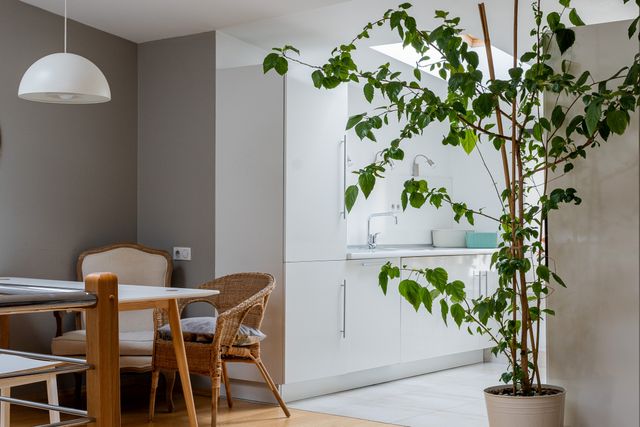
Conclusion
Budget-friendly interior design is less about buying cheap products and more about making thoughtful choices.
Start with what you already have. Rearrange furniture, improve lighting, refresh walls, reuse older pieces, and introduce a few carefully selected accessories.
A stylish home doesn't require unlimited spending. It requires creativity, planning, and an understanding of what makes your space feel comfortable and functional.
Frequently Asked Questions
No. Empty space can help a room feel balanced and less cluttered. Focus on creating a purposeful arrangement rather than filling every available surface.


Was This Article Helpful?
Click on a star to rate it!
Thank you for your vote!

Average Rating: 0/5 Votes: 0
Be the first to rate this post!

Expert in backend development and database architecture. Specializes in building, optimizing, and maintaining scalable PHP applications, designing efficient database structures, and ensuring data integrity and performance. Experienced in working with relational databases, writing optimized queries, and integrating backend systems with APIs and business logic to support reliable, high-performance web solutions.
View LinkedIn ProfileLatest Posts

Conflict Resolution in Relationships

How to Develop a Growth Mindset
How Diet Affects Energy Levels