Article Plan
- The Rise of Fashion Influencers
- How Influencers Shape Fashion Trends
- The Power of Personal Style
- Social Media as a Digital Runway
- Influencers and Fashion Brands
- The Growth of Street Style Culture
- Promoting Diversity in Fashion
- The Impact of Short-Form Fashion Content
- Influencers and Sustainable Fashion
- The Role of Authenticity
- Challenges Facing Fashion Influencers
- The Business Side of Fashion Influence
- The Future of Fashion Influencers
- Conclusion
- Frequently Asked Questions
Fashion Influencers Shaping Global Style: How Digital Creators Are Transforming Fashion
Fashion influencers have become powerful forces in the global fashion industry. Through social media platforms, they influence trends, introduce new brands, and change how people discover and purchase clothing. What once required magazine features, runway appearances, or celebrity endorsements can now happen through a single viral post.
Today’s fashion influencers are not just trend followers—they are often trend creators who shape conversations about style, beauty, and personal expression.
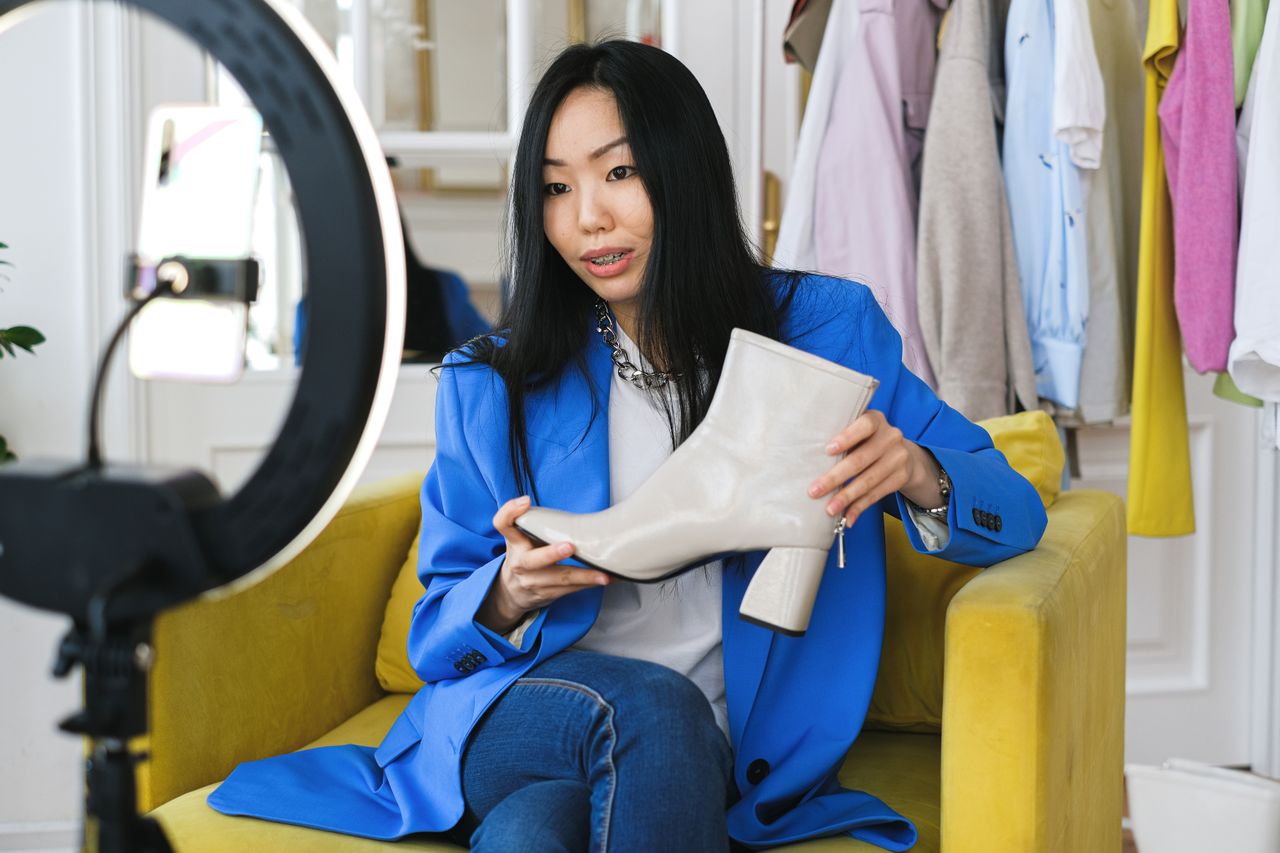
The Rise of Fashion Influencers
The growth of social media has transformed the fashion landscape.
Platforms such as Instagram, TikTok, and YouTube allow creators to:
- Share daily outfits
- Review fashion products
- Collaborate with designers
- Showcase personal styles
- Build global communities
This direct connection between creators and audiences has changed how fashion trends spread.
How Influencers Shape Fashion Trends
Fashion influencers affect style in several ways:
- Introducing emerging brands
- Reviving older fashion trends
- Creating viral aesthetics
- Demonstrating styling ideas
- Encouraging personal expression
A trend can now move from a small online community to a global audience within days.
The Power of Personal Style
One of the biggest influences of fashion creators is their ability to make style feel personal.
Unlike traditional advertising, influencers often share:
- Real-life outfits
- Styling tips
- Fashion challenges
- Behind-the-scenes content
Audiences connect with personalities and lifestyles, not just products.
Social Media as a Digital Runway
Social media has become a new kind of fashion runway.
Influencers showcase:
- Streetwear looks
- Luxury fashion
- Affordable styling
- Sustainable clothing
- Cultural fashion trends
These platforms allow fashion inspiration to reach people anywhere in the world.
|
Influence Area |
How Fashion Influencers Impact It |
Result |
|
Trend creation |
Introduce new styles and aesthetics |
Faster global trend adoption |
|
Brand promotion |
Showcase products to followers |
Increased brand visibility |
|
Consumer choices |
Provide recommendations and reviews |
More informed purchases |
|
Cultural exchange |
Share styles from different regions |
Greater fashion diversity |
|
Sustainability |
Promote ethical fashion choices |
Increased awareness |
Influencers and Fashion Brands
Brands increasingly collaborate with influencers because they provide direct access to targeted audiences.
Partnerships may include:
- Product launches
- Sponsored campaigns
- Limited-edition collections
- Brand ambassador roles
Influencer marketing allows companies to create more personal connections with consumers.
The Growth of Street Style Culture
Fashion influencers have helped street style become a major global movement.
Street style focuses on:
- Individual creativity
- Everyday fashion
- Mixing high-end and affordable pieces
- Personal identity
Many modern trends begin outside traditional fashion institutions and spread through online communities.
Promoting Diversity in Fashion
Digital creators have expanded representation in the fashion world.
Influencers from different backgrounds showcase:
- Various body types
- Cultural clothing traditions
- Different beauty standards
- Unique personal styles
This has encouraged the industry to become more inclusive and reflect a wider range of consumers.
The Impact of Short-Form Fashion Content
Short-form videos have accelerated fashion discovery.
Creators use short videos to share:
- Outfit transformations
- Styling tutorials
- Shopping recommendations
- Fashion challenges
- Trend explanations
Quick, visual content makes fashion more accessible and engaging.
Influencers and Sustainable Fashion
Many fashion influencers are helping raise awareness about sustainability.
They promote:
- Secondhand shopping
- Clothing recycling
- Capsule wardrobes
- Ethical brands
- Slow fashion
Their influence can encourage consumers to make more thoughtful purchasing decisions.
The Role of Authenticity
Authenticity is one of the biggest reasons audiences trust influencers.
Successful creators often focus on:
- Honest reviews
- Personal experiences
- Consistent style identity
- Genuine engagement
Followers are more likely to respond to creators who appear relatable rather than purely promotional.
Challenges Facing Fashion Influencers
Despite their influence, creators face several challenges.
These include:
- Maintaining audience trust
- Pressure to constantly create content
- Changing platform algorithms
- Balancing sponsorships and authenticity
- Increased competition
The most successful influencers adapt while maintaining a clear personal identity.
The Business Side of Fashion Influence
Fashion influencers have created new career opportunities.
Many creators now work as:
- Brand consultants
- Designers
- Entrepreneurs
- Content producers
- Fashion collaborators
Some have built entire businesses around their personal brands.
The Future of Fashion Influencers
The influence of digital creators is expected to continue growing.
Future trends may include:
- Virtual fashion influencers
- AI-assisted styling recommendations
- More personalized shopping experiences
- Increased focus on sustainability
- Stronger creator-brand partnerships
Technology will continue changing how people discover and experience fashion.
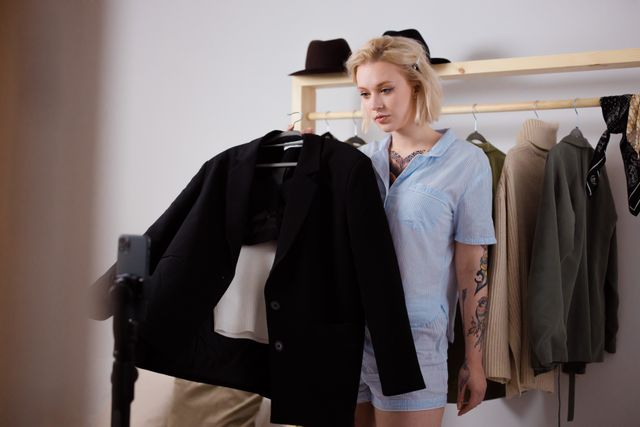
Conclusion
Fashion influencers have transformed global style by making fashion more accessible, interactive, and community-driven. Through social media, they shape trends, support emerging designers, promote diversity, and influence consumer decisions.
The future of fashion will likely continue to be shaped by a combination of designers, brands, and digital creators who inspire people to express themselves through personal style.
Frequently Asked Questions
A strong personal style, authenticity, creativity, and meaningful audience engagement are key factors.


Was This Article Helpful?
Click on a star to rate it!
Thank you for your vote!

Average Rating: 5/5 Votes: 1
Be the first to rate this post!

Expert in backend development and database architecture. Specializes in building, optimizing, and maintaining scalable PHP applications, designing efficient database structures, and ensuring data integrity and performance. Experienced in working with relational databases, writing optimized queries, and integrating backend systems with APIs and business logic to support reliable, high-performance web solutions.
View LinkedIn ProfileLatest Posts

How Individuals Can Support Animal Protection: Simple Actions That Create Change
The Role of Consumers in Sustainability: How Everyday Choices Can Create Change

Human Rights Challenges in Conflict Zones: Protecting People During Crisis