Fashion Design Innovations
Fashion has always changed with culture, technology, and consumer habits. But today's fashion designers have more tools and materials than ever before, allowing them to rethink how clothing is designed, produced, and experienced.
From digital design software to smart textiles and 3D printing, innovation is changing both the creative process and the final products. At the same time, designers are exploring ways to reduce waste, extend the life of garments, and respond to changing consumer expectations.
Digital Tools Are Changing Fashion Design
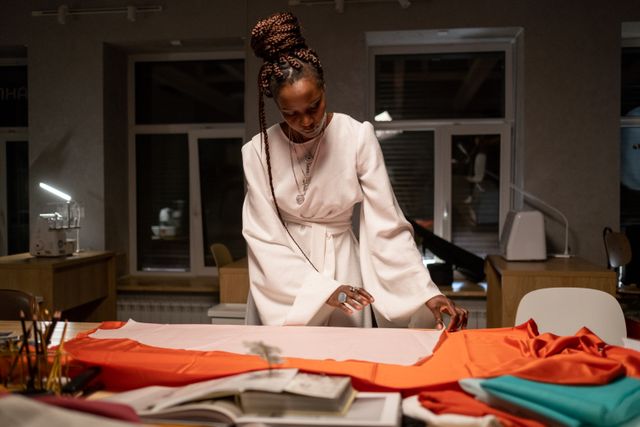
Modern designers can create detailed clothing concepts without starting with physical fabric.
Digital design software allows them to experiment with colors, silhouettes, patterns, and materials on a computer. Changes that once required hours of sketching or creating samples can now be made much faster.
Digital prototypes can also help designers visualize how a garment might look before producing a physical version.
3D Design and Virtual Prototyping
Three-dimensional design tools take digital fashion development even further.
Designers can create virtual garments, adjust measurements, and test different shapes before making physical samples. This can reduce the number of prototypes needed during development.
Virtual clothing is also becoming relevant beyond traditional fashion production. Digital garments can be used for online avatars, virtual environments, gaming, social media, and other digital experiences.
|
Innovation |
How It Works |
Potential Impact |
|
3D fashion design |
Creates virtual garments and prototypes |
Faster experimentation |
|
Smart textiles |
Integrate technology into fabrics |
New garment functions |
|
3D printing |
Produces objects layer by layer |
Alternative production methods |
|
AI-assisted design |
Helps analyze or generate design concepts |
Supports creative exploration |
|
Digital fashion |
Creates garments for virtual environments |
Expands fashion into digital spaces |
|
Recycled materials |
Reuses existing resources |
Can reduce material waste |
Smart Textiles Add New Functions
Clothing doesn't always have to be purely decorative or protective.
Smart textiles can incorporate technologies that respond to temperature, movement, light, or other environmental conditions. Some experimental garments can also include sensors or electronic components.
These developments could create clothing designed for specific activities, from sports and healthcare to entertainment and professional use.
The challenge is making technology practical while keeping garments comfortable, durable, and visually appealing.
3D Printing Opens New Possibilities
3D printing allows designers to create objects by building them layer by layer from a digital model.
In fashion, this technology can be used for accessories, footwear components, experimental garments, and other design elements.
One advantage is the ability to create unusual shapes that may be difficult to produce using traditional manufacturing techniques.
However, materials, production speed, comfort, and scalability remain important considerations.
Artificial Intelligence in Fashion
Artificial intelligence is becoming another tool in the fashion design process.
AI systems can help analyze trends, generate visual concepts, explore color combinations, and process large amounts of information.
For designers, the technology can function as a source of ideas or an additional tool for experimentation.
Human creativity remains important, however. A generated concept still needs design judgment, practical evaluation, and a clear understanding of the intended audience.
Sustainable Design Innovations
Innovation in fashion isn't limited to technology.
Designers are also exploring new approaches to materials and production. Recycled fibers, alternative materials, repairable garments, modular designs, and more efficient production methods can help address environmental concerns.
Designing clothes for longer use can also be an important form of innovation.
Instead of creating garments that quickly become disposable, designers can consider durability, repair, adaptability, and timeless construction.
Customization and On-Demand Production
Consumers increasingly expect products that reflect their individual preferences.
Digital manufacturing can make certain forms of customization easier. Customers may be able to select colors, patterns, measurements, or design details before an item is produced.
On-demand production can also reduce the need to manufacture large quantities before demand is known.
This approach doesn't eliminate production challenges, but it can provide more flexibility than traditional mass manufacturing.
Digital Fashion and Virtual Experiences
Fashion is increasingly appearing in digital spaces.
Virtual clothing can be designed specifically for avatars, games, social platforms, and virtual environments. Unlike physical garments, digital fashion isn't restricted by gravity, fabric behavior, or manufacturing costs in the same way.
Designers can therefore experiment with shapes and visual effects that would be difficult or impossible to create physically.
The Role of the Consumer Is Changing
Technology is also changing how people interact with fashion.
Online customization, virtual try-on tools, digital wardrobes, and personalized recommendations can make consumers more involved in the selection process.
The relationship between designer and customer may become more interactive as digital tools make customization and feedback easier.
The Future of Fashion Innovation
Future fashion design will likely combine traditional craftsmanship with increasingly sophisticated technology.
Designers may work simultaneously with physical and digital materials, use AI as part of their creative workflow, experiment with new textiles, and produce more customized products.
The most interesting innovations may not simply make fashion more futuristic. They may make clothing more functional, adaptable, durable, and responsive to the people who wear it.
Conclusion
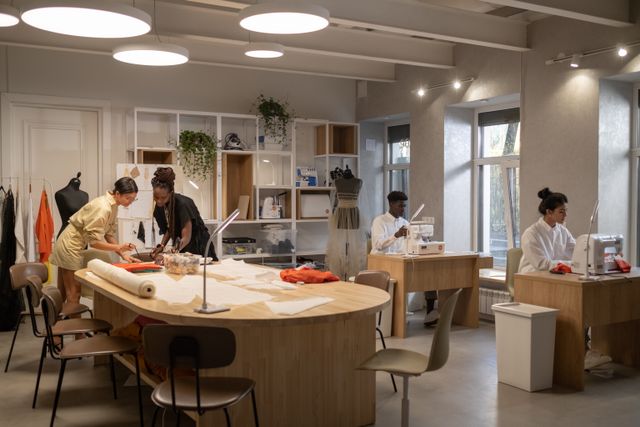
Fashion design innovation is expanding the possibilities of both creativity and production.
Digital tools, smart textiles, 3D printing, artificial intelligence, sustainable materials, and digital fashion are giving designers new ways to experiment. At the same time, practical concerns such as comfort, durability, cost, and responsible production remain essential.
The future of fashion may not be defined by one breakthrough. Instead, it could emerge from the combination of many technologies and ideas that gradually change how clothing is imagined, made, and experienced.
Frequently Asked Questions
Sustainability can influence material selection, product durability, manufacturing, repairability, recycling, and approaches such as on-demand production.


Was This Article Helpful?
Click on a star to rate it!
Thank you for your vote!

Average Rating: 5/5 Votes: 1
Be the first to rate this post!

Proficient background in project planning, execution, and continuous improvement. Experienced in analyzing ideas and forecasting project success, defining requirements and timelines, and managing communication across cross-functional teams. Skilled in creating and maintaining project documentation, automating processes, and making data-driven decisions in critical situations.
View LinkedIn ProfileLatest Posts

Conflict Resolution in Relationships

How to Develop a Growth Mindset

How Diet Affects Energy Levels