Building Your Own Smart Home Gadgets: Simple Tech DIYs
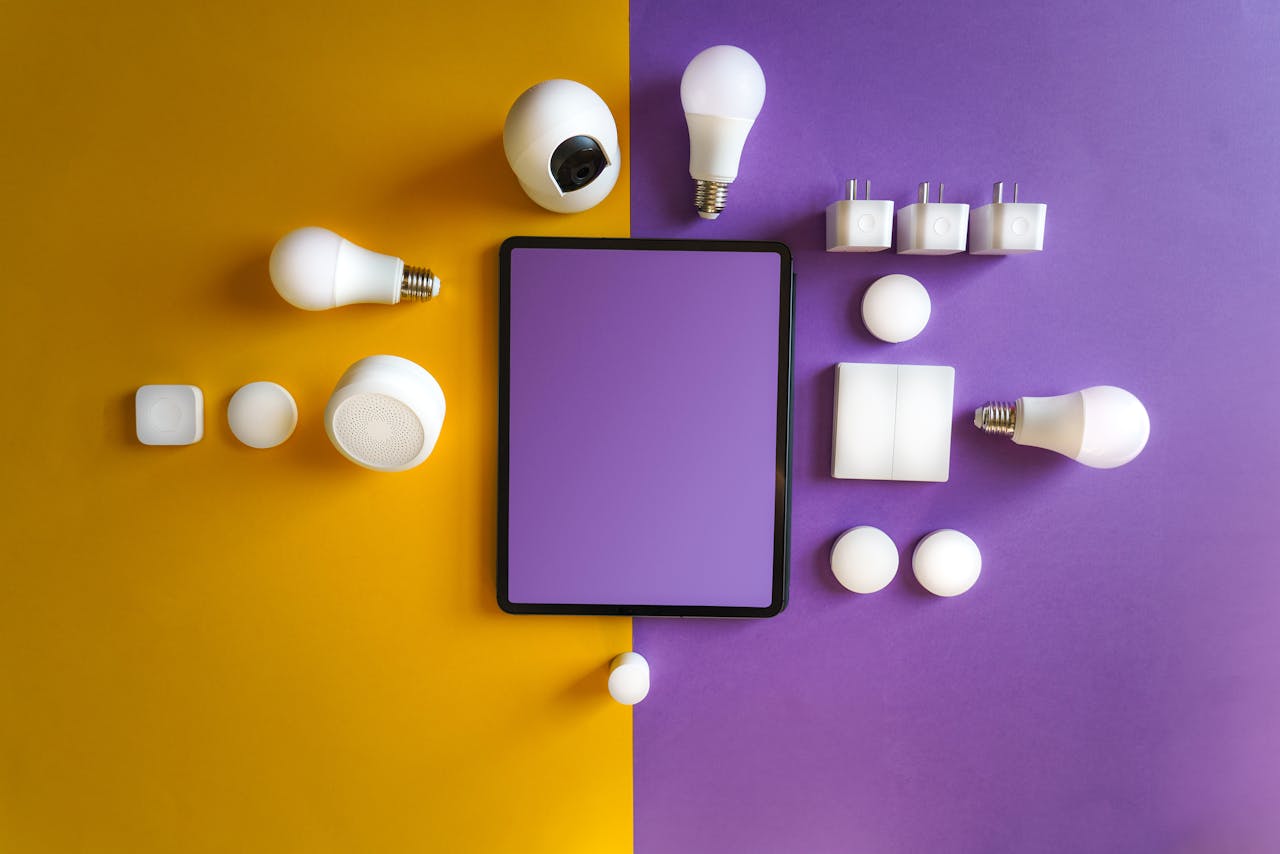
Smart homes are no longer a futuristic dream, they’re right at your fingertips. From controlling lights with your voice to automating everyday tasks, smart devices make life easier. But did you know you can build your own smart home gadgets with simple DIY projects? You don’t need to be a tech expert; with basic electronics, a few sensors, and a little creativity, you can start automating your home today.
Why DIY Smart Gadgets?
Building your own smart devices has several advantages:
- Customization: Tailor gadgets to your exact needs rather than buying off-the-shelf products.
- Cost savings: DIY projects can be cheaper than commercial smart devices.
- Learning opportunity: Great for beginners interested in electronics, coding, and IoT.
- Fun and rewarding: Completing a project gives a sense of achievement.
DIY smart gadgets can range from simple light timers to automated plant watering systems or smart door sensors.
Starter Projects for Beginners
1. Smart Lighting with Wi-Fi Bulbs
- Replace regular bulbs with Wi-Fi-enabled ones.
- Control lights through a smartphone app or voice assistant.
- Automate schedules for energy efficiency.
2. DIY Motion-Activated Night Light
- Use a motion sensor, LED light, and microcontroller like Arduino or Raspberry Pi.
- Great for hallways or kids’ rooms.
- Provides hands-free illumination when movement is detected.
3. Automated Plant Watering System
- Sensors detect soil moisture and trigger a small water pump.
- Ensures plants stay hydrated, especially during vacations.
- Fun way to combine gardening and technology.
4. Smart Door/Window Alerts
- Magnetic sensors detect opening/closing.
- Microcontroller sends notifications to your phone.
- Adds a layer of security without expensive monitoring systems.
Essential Tools and Components
|
Component
|
Purpose
|
Notes
|
| Arduino/Raspberry Pi | Microcontroller for controlling devices | Beginner-friendly options available |
|
Sensors
|
Detect motion, light, or moisture | Choose according to project needs |
|
Relays
|
Control high-voltage devices safely
|
Needed for lights or pumps
|
| LEDs & Displays | Visual feedback for status | Optional but adds flair |
| Wi-Fi Module | Connects devices to your network | Enables remote control via smartphone |
| Power Supply | Keeps your gadget running | Ensure correct voltage and current ratings |
Having the right tools simplifies the process and reduces frustration.
Tips for Successful DIY Smart Gadgets
- Start small: Begin with simple projects and gradually move to more complex setups.
- Use online tutorials: Communities like Instructables and YouTube offer step-by-step guides.
- Focus on safety: When dealing with electricity, follow guidelines and avoid overloading circuits.
- Experiment and iterate: Don’t be afraid to tweak code or components to improve performance.
- Integrate with existing devices: Combine DIY gadgets with Alexa, Google Home, or smart hubs for seamless automation.
DIY smart home projects are about learning, experimenting, and making your life more convenient
Conclusion
Building your own smart home gadgets is not only cost-effective and educational, but it also lets you customize your home exactly how you want it. From automated lighting to plant watering systems, even beginners can start small and expand as confidence grows. With a little creativity and basic tech know-how, your home can become smarter, safer, and more connected, all built by you.Frequently Asked Questions about Building Your Own Smart Home Gadgets
Not necessarily. Many beginner-friendly kits and tutorials provide step-by-step instructions.
Yes, many microcontrollers and Wi-Fi modules support integration with voice assistants.
Starter projects can cost between $20-$50, depending on components and complexity.
Yes, using breadboards and pre-assembled modules allows solder-free experimentation.
When following safety guidelines and proper wiring, DIY gadgets are generally safe for low-voltage devices like LEDs and sensors.


Was This Article Helpful?
Click on a star to rate it!
Thank you for your vote!

Average Rating: 4/5 Votes: 50
Be the first to rate this post!

Tech entrepreneur & digital strategist with over 9 years of experience in backend development and more than 5 years in executive leadership. Education Software and Web developer. More than 20 years of experience in software and web development.
View LinkedIn ProfileLatest Posts

Travel Photography Tips for Stunning Memories

The Rise of Cross-Platform Gaming

Esports Arenas and the Future of Competitive Gaming