Budget-Friendly DIY Interior Improvements: Transform Your Home Without Spending a Fortune
Refreshing your home does not always require expensive renovations or professional help. Budget-friendly DIY interior improvements can dramatically change the look and feel of a space using creativity, simple tools, and affordable materials.
From updating walls and furniture to improving organization and lighting, small changes can make a home feel more comfortable, stylish, and personalized.
Why Choose DIY Interior Improvements?
DIY projects offer several advantages:
- Lower costs compared with professional renovations
- Greater creative freedom
- Opportunity to reuse existing items
- Personal satisfaction from creating your own space
- Ability to complete projects gradually
With careful planning, even small improvements can create a noticeable impact.
Refresh Walls With Paint
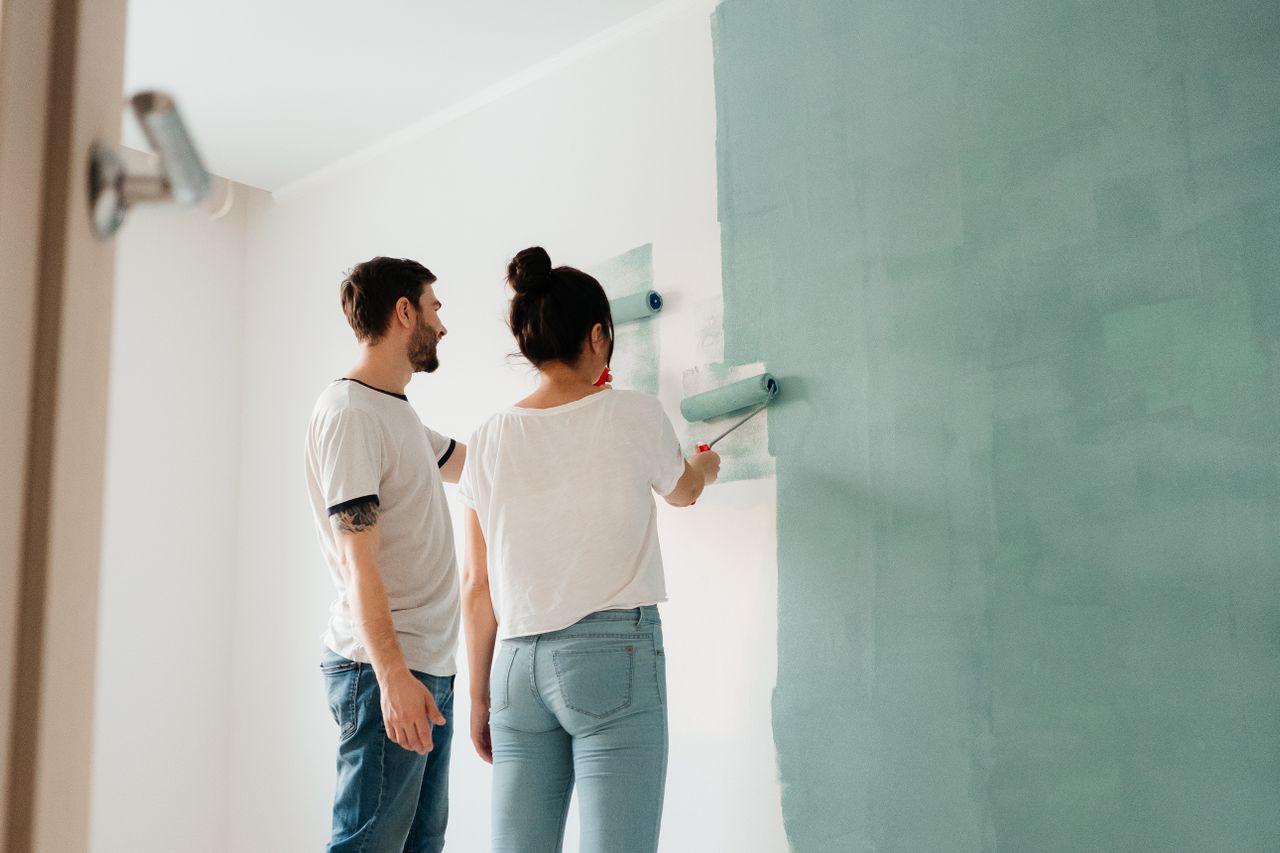
Painting is one of the most effective ways to transform an interior.
A fresh coat of paint can:
- Brighten dark rooms
- Create a new atmosphere
- Highlight architectural features
- Make spaces appear larger
Budget-friendly ideas include:
- Painting one accent wall
- Updating old trim
- Creating simple patterns
- Using leftover paint creatively
Rearrange Furniture for a New Look
Sometimes the best improvement costs nothing.
Changing furniture placement can:
- Improve room flow
- Create better use of space
- Make rooms feel larger
- Highlight favorite pieces
Before buying new furniture, experiment with different layouts.
Upgrade Lighting
Lighting strongly affects how a room feels.
Affordable lighting improvements include:
- Replacing old lampshades
- Adding floor or table lamps
- Using warm LED bulbs
- Installing decorative fixtures
Better lighting can make interiors feel more inviting without major changes.
Give Old Furniture a Makeover
Instead of replacing furniture, consider updating what you already own.
DIY furniture improvements may include:
- Repainting cabinets
- Replacing handles and knobs
- Adding new fabric covers
- Refinishing wooden surfaces
|
DIY Improvement |
Estimated Effort |
Visual Impact |
|
Painting walls |
Low to medium |
High |
|
Updating hardware |
Low |
Medium to high |
|
Rearranging furniture |
Low |
Medium |
|
Adding plants and decor |
Low |
High |
|
Creating storage solutions |
Medium |
High |
Create Affordable Wall Decor
Empty walls can make a home feel unfinished.
Low-cost decorating ideas include:
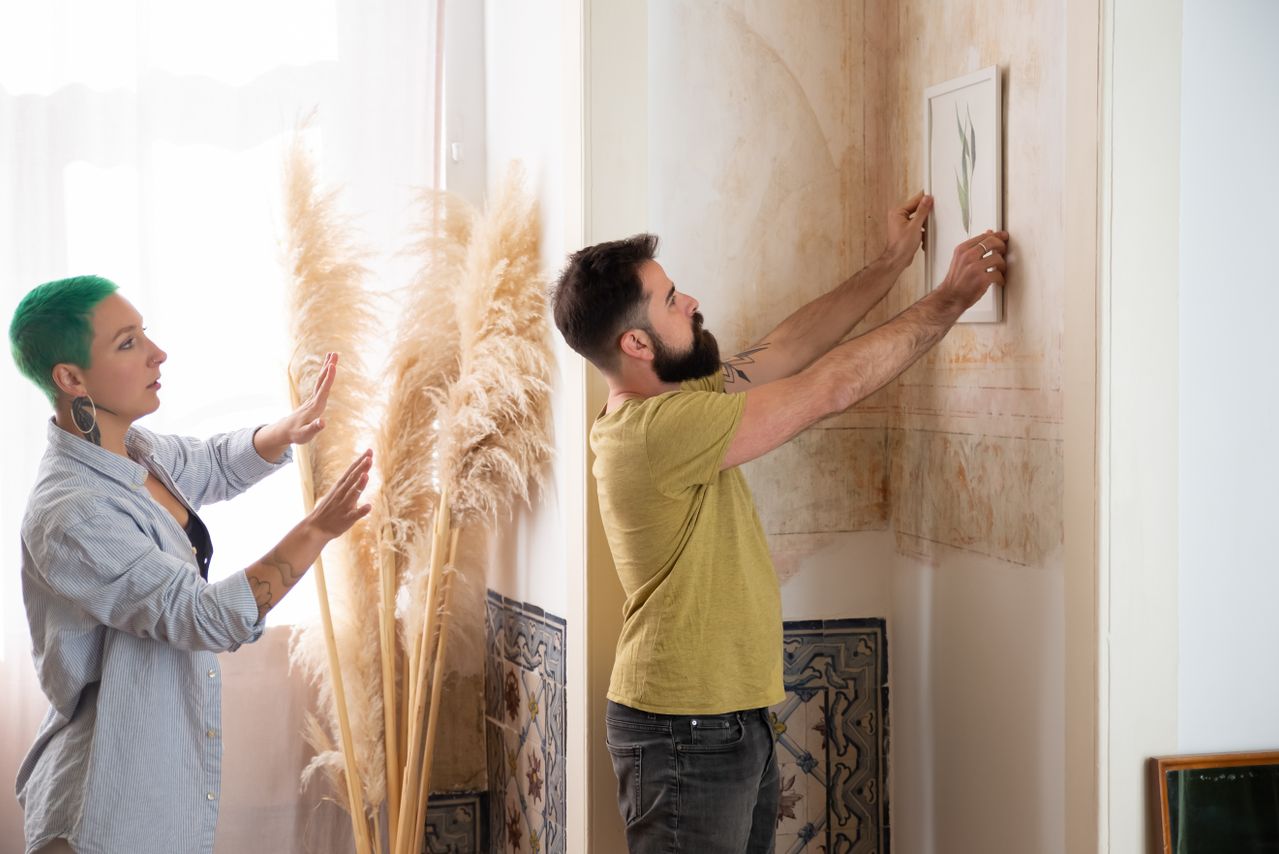
- Creating your own artwork
- Framing personal photos
- Making gallery walls
- Hanging handmade decorations
- Displaying collections
Personal touches often make a space feel more unique than expensive store-bought items.
Add Indoor Plants and Natural Elements
Plants are an affordable way to improve interior spaces.
They can add:
- Color
- Texture
- Freshness
- A connection to nature
Budget options include growing plants from cuttings or choosing low-maintenance varieties.
Improve Storage and Organization
A well-organized home often feels more spacious and comfortable.
DIY storage ideas include:
- Floating shelves
- Decorative baskets
- Hidden storage boxes
- Closet organizers
- Multi-purpose furniture solutions
Good organization improves both appearance and functionality.
Update Soft Furnishings
Small textile changes can create a major visual difference.
Affordable updates include:
- New cushion covers
- Curtains
- Rugs
- Blankets
- Table linens
Changing textures and colors can refresh a room without replacing large furniture.
Use Peel-and-Stick Design Solutions
Temporary design products offer easy upgrades.
Examples include:
- Removable wallpaper
- Decorative tiles
- Cabinet wraps
- Window films
These options are useful for renters or people who want flexible design changes.
Repurpose Items Creatively
Creative reuse can save money and reduce waste.
Ideas include:
- Turning wooden crates into shelves
- Using old frames as decor
- Converting jars into storage containers
- Restoring secondhand furniture
Repurposing adds character while keeping costs low.
Budget Planning for DIY Projects
Before starting a project:
- Set a realistic budget
- Prioritize high-impact improvements
- Measure spaces carefully
- Research materials
- Avoid unnecessary purchases
Planning prevents overspending and helps achieve better results.
Common DIY Mistakes to Avoid
Some common problems include:
- Choosing projects beyond your skill level
- Buying materials before planning
- Ignoring measurements
- Rushing preparation work
- Following trends without considering personal style
Taking time to prepare usually leads to better outcomes.
Making Small Spaces Feel Bigger
For smaller homes or apartments, simple improvements can create a sense of openness.
Helpful ideas include:
- Using mirrors
- Choosing lighter colors
- Reducing clutter
- Using vertical storage
- Selecting furniture with multiple purposes
Smart design choices can maximize limited space.
The Role of Creativity in Home Improvement
The best DIY projects often come from personal creativity rather than expensive materials.
A successful home improvement project reflects:
- Personal taste
- Practical needs
- Existing resources
- Individual lifestyle
A home becomes more meaningful when it includes elements created or customized by the people who live there.
Conclusion
Budget-friendly DIY interior improvements prove that creating a beautiful home does not require a large investment. Through painting, rearranging furniture, updating decor, improving lighting, and repurposing existing items, homeowners can achieve impressive transformations at an affordable cost.
The most successful improvements combine practicality, creativity, and personal style. Small changes made thoughtfully can turn any space into a more comfortable and inspiring place to live.
Frequently Asked Questions
Yes. Temporary solutions like removable wallpaper, portable lighting, and flexible storage options work well for rental homes.


Was This Article Helpful?
Click on a star to rate it!
Thank you for your vote!

Average Rating: 0/5 Votes: 0
Be the first to rate this post!

Proficient background in project planning, execution, and continuous improvement. Experienced in analyzing ideas and forecasting project success, defining requirements and timelines, and managing communication across cross-functional teams. Skilled in creating and maintaining project documentation, automating processes, and making data-driven decisions in critical situations.
View LinkedIn ProfileLatest Posts

How Individuals Can Support Animal Protection: Simple Actions That Create Change

The Role of Consumers in Sustainability: How Everyday Choices Can Create Change

Human Rights Challenges in Conflict Zones: Protecting People During Crisis