Healthy Meal Planning Strategies: How to Eat Well Every Day
Healthy eating does not have to involve complicated recipes, expensive ingredients, or hours in the kitchen. With a little planning, you can prepare balanced meals, save time, reduce food waste, and make everyday food choices easier.
Meal planning is the process of deciding what to eat over a set period, preparing a shopping list, and organizing ingredients and meals in advance. It can help you build consistent eating habits without needing to decide what to cook at the last minute.
The best approach is one that fits your schedule, budget, food preferences, and nutritional needs. Whether you cook for yourself, share meals with family, or have a busy workweek, a few simple strategies can make healthy eating more manageable.
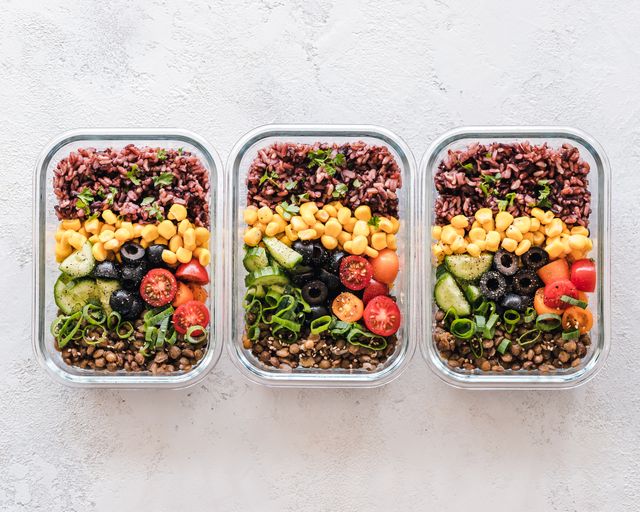
Start With Your Nutritional Needs
Before planning your meals, think about what your body needs and what kind of eating routine works for your lifestyle. A balanced diet provides energy and essential nutrients while leaving room for different foods and personal preferences.
A practical starting point is to include a variety of food groups throughout the day:
- Vegetables and fruits: Provide vitamins, minerals, fiber, and other beneficial nutrients.
- Whole grains: Foods such as oats, brown rice, and whole-wheat bread provide carbohydrates and fiber.
- Protein sources: Beans, lentils, eggs, fish, poultry, tofu, and other protein-rich foods support muscle maintenance and other body functions.
- Healthy fats: Nuts, seeds, olive oil, and avocados provide unsaturated fats.
- Dairy products or fortified alternatives: Milk, yogurt, and suitable alternatives can provide nutrients such as calcium and protein.
One simple guide is to fill approximately half your plate with vegetables and fruits, one quarter with protein-rich foods, and one quarter with whole grains or other starchy foods. Adjust portions and ingredients to suit your appetite, activity level, cultural preferences, and individual needs.
Healthy eating is not about making every meal perfect. Variety and consistency matter more than following rigid rules.
Plan Your Meals for the Week
Planning a few days ahead can make grocery shopping and cooking easier. You do not need to schedule every meal in detail; even a basic plan for lunches and dinners can reduce daily decision-making.
Start by checking your calendar. Consider work commitments, family activities, social events, and days when you will have less time to cook.
Then choose meals that fit your schedule. Save more involved recipes for days when you have time, and keep quick options available for busy evenings.
For example, your weekly plan might look like this:
|
Day |
Lunch |
Dinner |
|
Monday |
Chicken and vegetable wrap |
Baked fish, potatoes, and broccoli |
|
Tuesday |
Lentil soup with whole-grain bread |
Chicken and vegetable stir-fry with rice |
|
Wednesday |
Leftover lentil soup |
Bean and vegetable chili |
|
Thursday |
Tuna and white bean salad |
Whole-wheat pasta with tomato sauce and vegetables |
|
Friday |
Egg and avocado sandwich |
Homemade vegetable and chicken pizza |
|
Saturday |
Chickpea salad bowl |
Roasted vegetables with tofu or chicken |
|
Sunday |
Vegetable omelet with whole-grain toast |
Vegetable soup and a cheese sandwich |
This is an example rather than a strict diet plan. You can swap meals, use leftovers, and adjust ingredients according to what you enjoy and have available.
Create a Grocery List Before Shopping
A shopping list helps you focus on the ingredients you need instead of buying food without a plan. It can also make it easier to stay within your budget and reduce the chance of forgetting important items.
Organize your list by category to make shopping more efficient.
Vegetables and Fruits
- Leafy greens
- Carrots and bell peppers
- Broccoli or cauliflower
- Apples, bananas, or seasonal fruit
- Frozen vegetables and berries
Protein Sources
- Eggs
- Chicken or fish
- Beans, chickpeas, or lentils
- Tofu
- Plain yogurt
Grains and Starchy Foods
- Oats
- Brown rice or other preferred grains
- Whole-grain bread
- Whole-wheat pasta
- Potatoes
Pantry Essentials
- Olive or other cooking oil
- Canned tomatoes
- Herbs and spices
- Nuts and seeds
- Low-sodium canned beans
Choose ingredients that can be used in several meals. For example, carrots can go into soups, salads, and stir-fries, while cooked rice can serve as a side dish or the base of a lunch bowl.
Check your refrigerator, freezer, and cupboards before shopping. You may already have many of the ingredients you need.
Prepare Ingredients in Advance
Meal preparation, often called meal prep, involves preparing some or all of your food before you need it. This can save time during the week and make it easier to choose balanced meals when you are tired or busy.
You do not have to cook every meal in advance. Preparing a few basic ingredients can be enough.
Useful meal-prep tasks include:
- Washing and chopping vegetables.
- Cooking a batch of rice, quinoa, or another grain.
- Preparing beans or lentils.
- Boiling eggs for quick meals.
- Cooking chicken, tofu, or another protein source.
- Making a simple dressing or sauce.
- Portioning snacks such as fruit, nuts, or yogurt.
Follow Basic Food Safety Practices
Prepared meals need to be stored properly. Refrigerate perishable food promptly, ideally within two hours of cooking, and use shallow containers to help it cool quickly.
As a general guideline, cooked leftovers can usually be kept in the refrigerator for three to four days at 40°F (4°C) or below. Freeze portions you will not eat within that period. Reheat leftovers to an internal temperature of 165°F (74°C).
Use clean containers, keep raw meat separate from ready-to-eat foods, and follow food-safety guidance for specific ingredients.
Preparing food in advance should make your routine easier without compromising safety.
Choose Flexible Recipes With Shared Ingredients
One of the simplest ways to make meal planning sustainable is to use the same ingredients in different dishes.
Buying ingredients for a single recipe can lead to waste when you do not use the leftovers. Instead, plan meals that share a few core ingredients but offer different flavors and textures.
For example, a batch of roasted vegetables could be used in:
- A grain bowl with chickpeas.
- A whole-wheat wrap with hummus.
- A side dish with baked fish.
- An omelet with vegetables.
- A warm salad with beans and leafy greens.
Chicken can be served with rice one day, added to a wrap the next, and used in a soup later in the week.
This approach saves preparation time while keeping meals varied. Herbs, spices, sauces, and different cooking methods can also make familiar ingredients feel new.
Make Healthy Eating Affordable
Healthy meal planning can work on a limited budget. Fresh specialty ingredients and expensive health products are not necessary to prepare nutritious meals.
The key is to choose affordable staples, buy strategically, and use what you purchase.
Choose Seasonal Produce
Seasonal fruits and vegetables are often more affordable and may offer better flavor. Frozen produce is another useful option because it can be stored for longer and is often frozen soon after harvesting.
Use Beans and Lentils
Beans, chickpeas, and lentils are versatile sources of protein and fiber. They can be used in soups, stews, salads, curries, and other filling meals.
Compare Unit Prices
Compare the price per kilogram, liter, or serving rather than looking only at the package price. Larger packages may offer better value when you can use the contents before they spoil.
Cook Larger Batches
Preparing a larger pot of soup, chili, or stew can provide several meals. Refrigerate portions for the next few days and freeze the rest when appropriate.
Reduce Food Waste
Plan meals around ingredients that need to be used soon. Freeze suitable leftovers, store produce correctly, and keep track of what is already in your kitchen.
These habits can reduce unnecessary spending while helping you maintain a varied diet.
Build a Routine That Fits Your Lifestyle
A meal plan should make life easier, not create another source of pressure. If your schedule changes frequently, a rigid seven-day menu may not be practical.
Instead, create a flexible system.
Keep a few quick meals available, such as scrambled eggs with toast, canned bean salad, vegetable omelets, or frozen vegetables served with rice and a protein source.
You can also prepare a short list of favorite meals that require minimal effort. When you are busy, choose from that list rather than starting from scratch.
If you cook for a family, involve other household members in choosing meals and preparing ingredients. This can make planning easier and help everyone feel included.
It is also fine to use convenient foods. Frozen vegetables, canned beans, prewashed salad, and ready-to-eat ingredients can all be part of a balanced eating routine. Look at labels when relevant, but do not let the search for a perfect product make everyday meals unnecessarily complicated.
Avoid Common Meal Planning Mistakes
Even a well-intentioned plan can become difficult to maintain if it is too restrictive or time-consuming.
Planning Too Many New Recipes
Trying several unfamiliar recipes in one week can increase shopping costs and preparation time. Start with meals you already know and introduce one or two new ideas at a time.
Ignoring Your Actual Schedule
A complicated dinner may not be realistic after a long workday. Match your meals to your available time and keep quick alternatives ready.
Making the Plan Too Restrictive
Healthy eating does not require eliminating all favorite foods. Include foods you enjoy and allow flexibility for celebrations, restaurant meals, and changing preferences.
Forgetting Snacks and Breakfast
If you regularly eat breakfast or snacks, include them in your planning. Fruit, yogurt, nuts, eggs, and whole-grain options can be convenient choices, depending on your needs.
Preparing More Food Than You Can Use
Large batches can save time, but only if the food is eaten or frozen safely. Start with a manageable amount and adjust based on what your household actually consumes.
The most effective meal plan is one you can follow comfortably over time.
Conclusion
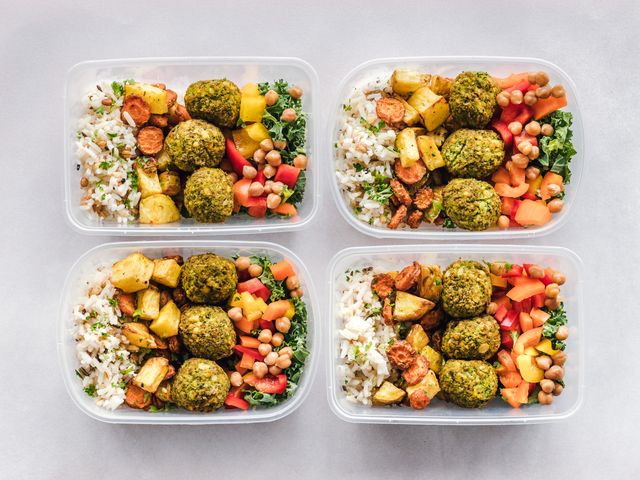
Healthy meal planning can help you eat a wider variety of foods, save time, manage grocery costs, and reduce the stress of deciding what to cook every day.
Start with a few balanced meals, build a practical shopping list, prepare basic ingredients in advance, and reuse ingredients across different recipes. Keep your plan flexible enough to accommodate changing schedules and personal preferences.
You do not need to overhaul your eating habits overnight. Small, consistent steps can make healthy meals easier to prepare and help you build a routine that works for your everyday life.
Frequently Asked Questions
Focus on simple meals with minimal preparation. Combine ready-to-eat ingredients, canned beans, frozen vegetables, whole-grain bread, eggs, or other convenient staples. You can also prepare a few basic ingredients once and assemble meals as needed.


Was This Article Helpful?
Click on a star to rate it!
Thank you for your vote!
Average Rating: 0/5 Votes: 0
Be the first to rate this post!

Strong engineering background in mobile and backend development. Focusing on building scalable products, improving development processes — from architecture and APIs to UX redesigns, monetization, and analytics. Responsible for applications with 1M+ downloads and multi-project ecosystems.
View LinkedIn ProfileLatest Posts
Healthy Meal Planning Strategies

The Connection Between Mental and Physical Health

Parenting and Family Dynamics