How Social Media Affects Mental Health: Understanding the Positive and Negative Impacts
Social media has become a major part of modern life, changing how people communicate, share information, and build relationships. Platforms that connect billions of people worldwide offer many benefits, but they can also influence mental health in complex ways.
The impact of social media depends on how it is used, the type of content people consume, and the balance between online and offline experiences.
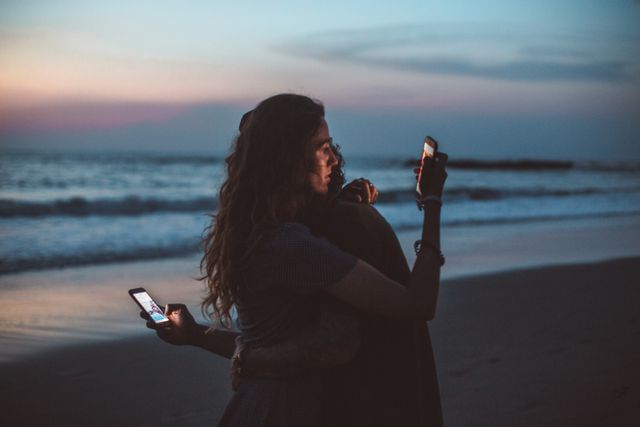
The Connection Between Social Media and Mental Health
Social media can affect emotions, thoughts, behaviors, and social interactions. For some people, it provides connection and support. For others, excessive or unhealthy use may contribute to stress, anxiety, loneliness, or reduced self-esteem.
Factors that influence the impact include:
- Time spent online
- Types of interactions
- Content consumed
- Personal circumstances
- Ability to manage digital habits
Positive Effects of Social Media on Mental Health
When used intentionally, social media can provide several emotional and social benefits.
Building Social Connections
Social platforms help people stay connected with:
- Friends and family
- Support communities
- Shared-interest groups
- Professional networks
For people who feel isolated, online communities can provide a sense of belonging.
Access to Support and Information
Social media allows people to find:
- Mental health resources
- Educational content
- Peer support groups
- Encouraging communities
Many individuals use online spaces to share experiences and find others facing similar challenges.
Creative Expression
Social media gives people opportunities to:
- Share artwork
- Create videos
- Write content
- Explore hobbies
- Build communities around interests
Creative activities can support confidence and personal expression.
Negative Effects of Social Media on Mental Health
While social media offers benefits, certain patterns of use may create challenges.
Comparison and Self-Esteem Issues
People often share carefully selected highlights of their lives online. Constant exposure to idealized images and lifestyles may lead some users to compare themselves negatively with others.
This can affect:
- Self-confidence
- Body image
- Personal satisfaction
- Feelings of achievement
Stress and Information Overload
Continuous exposure to updates, opinions, and news can become overwhelming.
Potential effects include:
- Difficulty relaxing
- Increased worry
- Reduced attention span
- Feeling mentally exhausted
Sleep Disruption
Using social media late at night may interfere with healthy sleep habits.
Possible causes include:
- Screen exposure before bedtime
- Emotional reactions to content
- Notifications and interruptions
- Spending more time online than planned
|
Social Media Impact |
Possible Effect |
Healthier Approach |
|
Online connections |
Increased social support |
Maintain meaningful interactions |
|
Comparison culture |
Lower self-esteem |
Focus on personal progress |
|
Excessive scrolling |
Reduced productivity |
Set usage boundaries |
|
Negative content |
Increased stress |
Curate online environments |
|
Creative sharing |
Greater expression |
Use platforms intentionally |
Cyberbullying and Online Harassment
Negative online interactions can have serious emotional effects.
Cyberbullying may involve:
- Hurtful comments
- Public embarrassment
- Harassment
- Social exclusion
Creating safer online environments requires awareness, reporting tools, and respectful digital behavior.
The Role of Algorithms
Social media platforms often use algorithms to recommend content based on user behavior.
These systems can:
- Help users discover interesting topics
- Increase engagement
- Create personalized experiences
However, they may also repeatedly show emotionally intense content, which can influence mood and stress levels.
How to Build a Healthier Relationship With Social Media
Balanced social media use involves making intentional choices.
Helpful strategies include:
Set Time Boundaries
Consider:
- Limiting unnecessary scrolling
- Taking regular breaks
- Creating device-free periods
Curate Your Feed
Follow accounts that:
- Inspire you
- Educate you
- Encourage positive thinking
Unfollow or mute content that consistently creates stress or negativity.
Practice Mindful Usage
Before opening an app, ask:
- Why am I using this right now?
- Does this activity improve my mood?
- Am I connecting or simply passing time?
Prioritize Offline Connections
Online interactions are valuable, but in-person relationships remain important for emotional well-being.
Make time for:
- Family activities
- Friendships
- Hobbies
- Outdoor experiences
Social Media and Different Age Groups
The effects of social media can vary depending on age and life stage.
Children and Teenagers
Young users may be more affected by:
- Peer pressure
- Online comparison
- Cyberbullying
- Social approval concerns
Guidance and healthy digital habits can help younger users develop balanced relationships with technology.
Adults
Adults may experience challenges related to:
- Work-related online pressure
- Information overload
- Difficulty disconnecting
Setting boundaries can support healthier technology use.
The Future of Social Media and Mental Health
As social media continues to evolve, future developments may focus on:
- Better safety features
- Healthier recommendation systems
- Digital wellness tools
- More control over online experiences
Technology companies, educators, and users all have roles in creating healthier digital environments.
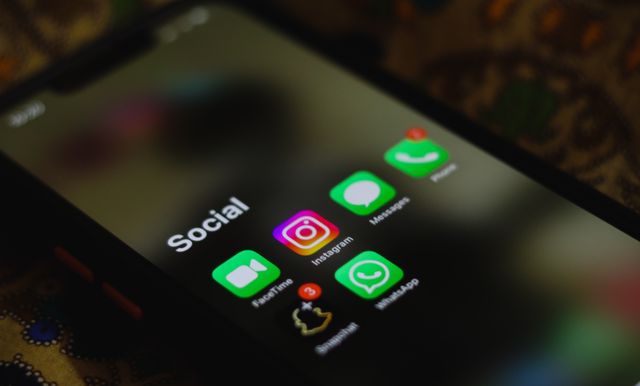
Conclusion
Social media has both positive and negative effects on mental health. It can provide connection, creativity, and support, but excessive use, comparison, and negative interactions may create emotional challenges.
The key is not avoiding social media completely, but developing healthy habits that encourage balance, awareness, and meaningful engagement.
By using social platforms intentionally, people can enjoy their benefits while protecting their mental well-being.
Frequently Asked Questions
Not necessarily. Balanced and intentional use can allow people to enjoy social media benefits while reducing potential harms.


Was This Article Helpful?
Click on a star to rate it!
Thank you for your vote!

Average Rating: 0/5 Votes: 0
Be the first to rate this post!

Tech entrepreneur & digital strategist with over 9 years of experience in backend development and more than 5 years in executive leadership. Education Software and Web developer. More than 20 years of experience in software and web development.
View LinkedIn ProfileLatest Posts

How Individuals Can Support Animal Protection: Simple Actions That Create Change

The Role of Consumers in Sustainability: How Everyday Choices Can Create Change

Human Rights Challenges in Conflict Zones: Protecting People During Crisis