Intergenerational Relationships in Modern Families
Modern families can bring together people with very different experiences. Grandparents may have grown up without smartphones or social media, while younger family members have never known life without the internet.
These differences can sometimes create misunderstandings, but they can also make family relationships richer. When generations spend time together, they can exchange knowledge, traditions, perspectives, and practical skills.
Building strong intergenerational relationships isn't about making everyone think alike. It's about finding ways to understand and appreciate differences while creating meaningful connections.
What Are Intergenerational Relationships?
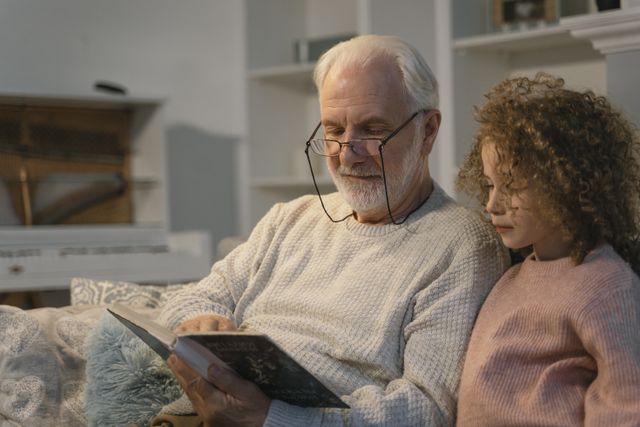
Intergenerational relationships are connections between people from different age groups within a family or community.
In families, this might include relationships between grandparents and grandchildren, parents and adult children, or siblings and relatives from different generations.
Each generation brings its own experiences, expectations, and cultural influences. Those differences can shape everything from communication styles to attitudes toward work, technology, parenting, and relationships.
Why These Relationships Matter
Spending time across generations can benefit everyone involved.
Older family members may share family history, traditions, practical knowledge, and stories about the past. Younger relatives can introduce new technologies, cultural trends, and different ways of looking at everyday life.
The exchange doesn't have to be formal. A conversation over dinner or working on a family project together can create opportunities for connection.
|
Generation |
What They May Share |
What They May Learn |
|
Grandparents |
Family stories, traditions, life experience |
New technology and modern trends |
|
Parents |
Practical knowledge and guidance |
Different perspectives from younger relatives |
|
Teenagers |
Digital skills, current culture |
Family history and older traditions |
|
Young children |
Curiosity and new perspectives |
Stories, skills, and family customs |
Sharing Family Stories
Stories are one of the simplest ways to connect generations.
Grandparents and older relatives may remember events that younger family members have only heard about indirectly. Sharing these experiences can help younger people understand where their family came from.
Consider recording important stories with permission. Photos, recipes, letters, and family documents can also become conversation starters.
These small records can help preserve family history for future generations.
Learning From Different Perspectives
Generational differences can sometimes lead to disagreements.
One person may see a particular behavior as normal, while another considers it unusual. Technology, career choices, relationships, or parenting styles can all become sources of tension.
Instead of immediately trying to prove that one perspective is correct, ask questions.
Why does the other person see it that way? What experiences influenced their opinion?
Understanding the reason behind a viewpoint doesn't require agreeing with it.
Technology Can Connect Generations
Technology is sometimes described as a source of generational division, but it can also bring families closer.
Video calls allow relatives who live far apart to stay connected. Shared photo albums can help family members follow everyday events. Messaging apps make quick communication easier.
Younger relatives can help older family members learn new tools, while older relatives may share their own skills and knowledge in return.
The process itself can become a bonding experience.
Create Shared Activities
Conversation isn't the only way to strengthen intergenerational relationships.
Shared activities can make interaction feel natural. Families might cook together, play board games, garden, travel, work on home projects, look through old photographs, or participate in community events.
The best activity is often one that gives everyone a role.
For example, a grandparent might teach a traditional recipe while a younger family member documents it or helps adapt it to a modern kitchen.
Respect Different Boundaries
Close family relationships still need boundaries.
Different generations may have different expectations about privacy, communication, personal space, and involvement in family decisions.
Respecting these boundaries can prevent unnecessary conflict.
Being related doesn't mean everyone has to share the same level of access to each other's lives.
Keep Traditions Flexible
Family traditions can provide a strong sense of identity, but they don't have to remain unchanged forever.
Younger generations may want to adapt traditional celebrations, recipes, or routines.
Instead of treating change as a rejection of the past, families can look for ways to combine old traditions with new ideas.
This allows customs to remain meaningful while reflecting the people who practice them.
Learn From Each Other
Intergenerational relationships work best when knowledge moves in both directions.
An older relative might teach someone how to repair clothing, cook a family recipe, grow vegetables, or manage a practical task.
A younger person might help with a smartphone, introduce a new hobby, or explain how a modern service works.
Everyone has something they can contribute.
Handle Generational Conflicts With Patience
Disagreements are normal in families.
When conflict occurs, focus on the specific issue rather than making broad statements about an entire generation.
Instead of saying, "People your age don't understand," explain what behavior or situation is causing the problem.
Listening carefully and taking a pause when emotions become intense can also make difficult conversations more productive.
Make Time for Regular Connection
Relationships become stronger through repeated interaction.
You don't need elaborate family gatherings every week. A regular phone call, shared meal, weekend visit, or short message can help maintain a sense of connection.
Consistency often matters more than the size of the activity.
Conclusion
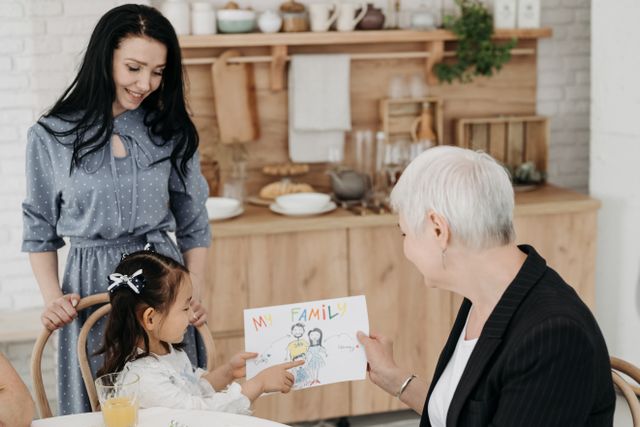
Intergenerational relationships give families an opportunity to connect different experiences, traditions, and perspectives.
Generational differences can create challenges, but they can also become opportunities for learning. By sharing stories, creating activities together, respecting boundaries, using technology thoughtfully, and staying open to different viewpoints, families can build stronger connections across age groups.
The goal isn't to erase differences between generations. It's to create relationships where those differences can be understood and appreciated.
Frequently Asked Questions
Traditions can preserve family history and create shared experiences. They can also evolve over time so that younger generations can participate in ways that feel meaningful to them.


Was This Article Helpful?
Click on a star to rate it!
Thank you for your vote!

Average Rating: 0/5 Votes: 0
Be the first to rate this post!

Expert in backend development and database architecture. Specializes in building, optimizing, and maintaining scalable PHP applications, designing efficient database structures, and ensuring data integrity and performance. Experienced in working with relational databases, writing optimized queries, and integrating backend systems with APIs and business logic to support reliable, high-performance web solutions.
View LinkedIn ProfileLatest Posts
Conflict Resolution in Relationships

How to Develop a Growth Mindset

How Diet Affects Energy Levels