Building Trust Within Families: Creating Stronger and Healthier Relationships
Trust is one of the most important foundations of a strong family relationship. It helps family members feel safe, respected, and valued. When trust exists, people are more comfortable sharing their thoughts, asking for support, and working through challenges together.
Building trust within a family does not happen instantly. It develops through consistent actions, honest communication, understanding, and mutual respect.
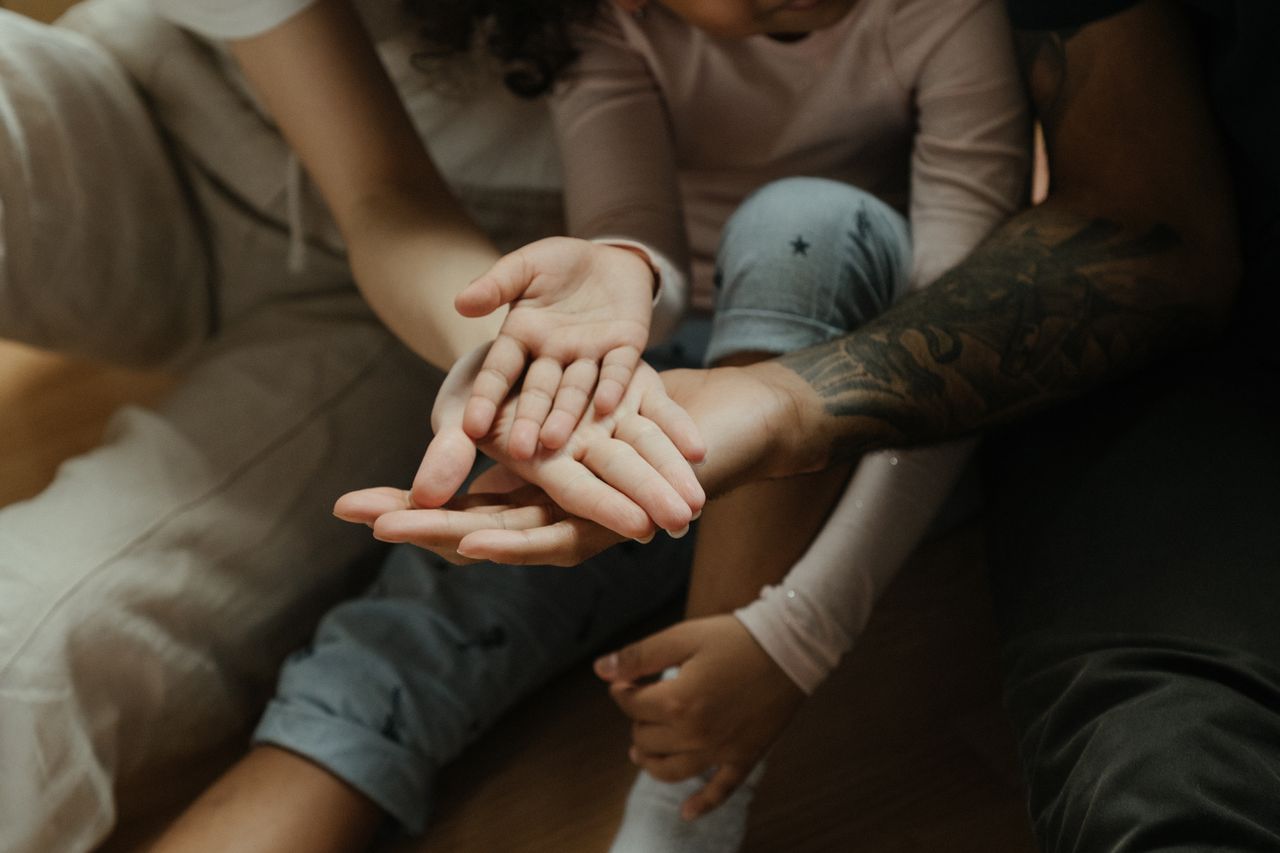
What Is Trust in a Family?
Family trust is the belief that relatives will:
- Support each other
- Communicate honestly
- Respect boundaries
- Keep commitments
- Provide emotional safety
Trust allows family members to feel connected even when disagreements or difficulties occur.
Why Trust Matters in Families
A trusting family environment can help create:
- Stronger emotional bonds
- Better communication
- Greater confidence
- More effective conflict resolution
- A sense of belonging
When family members trust one another, they are more likely to cooperate and support each other through life changes.
Practicing Honest Communication
Open and honest communication is one of the strongest ways to build trust.
Families can encourage trust by:
- Listening carefully
- Sharing feelings respectfully
- Being truthful
- Avoiding unnecessary criticism
- Making time for conversations
Good communication helps prevent misunderstandings and strengthens emotional connections.
Keeping Promises and Commitments
Trust grows when people know they can depend on one another.
Family members can build reliability by:
- Following through on agreements
- Being consistent
- Admitting when they cannot meet expectations
- Taking responsibility for mistakes
Small acts of dependability create long-term trust.
|
Trust-Building Practice |
Example |
Positive Result |
|
Honest communication |
Sharing thoughts openly |
Greater understanding |
|
Respecting boundaries |
Valuing personal space |
Increased comfort |
|
Keeping commitments |
Following through on promises |
Stronger reliability |
|
Showing appreciation |
Expressing gratitude |
Deeper connection |
|
Resolving conflicts calmly |
Discussing problems respectfully |
Healthier relationships |
Showing Respect for Individual Differences
Every family member has unique:
- Opinions
- Interests
- Personal goals
- Communication styles
Trust grows when people feel accepted rather than judged.
Respect can be shown by:
- Listening to different viewpoints
- Allowing independence
- Avoiding unfair comparisons
- Supporting personal choices
Spending Quality Time Together
Shared experiences help families strengthen relationships.
Quality time may include:
- Eating meals together
- Celebrating traditions
- Taking trips
- Playing games
- Having regular family activities
The focus is not only on the activity but also on creating meaningful connections.
Creating Emotional Safety
A trusting family environment allows people to express emotions without fear of rejection.
Emotional safety involves:
- Taking feelings seriously
- Offering encouragement
- Responding with patience
- Showing empathy
When family members feel emotionally safe, they are more likely to communicate openly.
Handling Conflicts in a Healthy Way
Disagreements are normal in every family. The way conflicts are managed affects trust.
Healthy conflict resolution includes:
- Staying calm
- Listening to each perspective
- Avoiding personal attacks
- Finding solutions together
- Apologizing when necessary
Resolving problems respectfully can actually strengthen relationships.
Showing Appreciation and Affection
Small expressions of appreciation can have a powerful effect.
Examples include:
- Saying thank you
- Recognizing efforts
- Offering encouragement
- Showing kindness
Regular appreciation helps family members feel valued.
Building Trust Between Parents and Children
Trust between parents and children develops through consistent support and understanding.
Parents can encourage trust by:
- Listening without immediate judgment
- Setting fair expectations
- Explaining decisions
- Allowing age-appropriate independence
Children who feel respected are more likely to communicate honestly.
Supporting Each Other During Difficult Times
Challenges often reveal the strength of family relationships.
Trust grows when families:
- Offer emotional support
- Work together during problems
- Show patience
- Provide encouragement
Knowing that family members will be present during difficult moments creates security.
Being a Positive Role Model
Family members influence each other through their actions.
Trustworthy behavior includes:
- Honesty
- Respect
- Responsibility
- Kindness
- Patience
Children especially learn about relationships by observing how adults interact.
Common Barriers to Family Trust
Several factors can weaken trust, including:
- Poor communication
- Broken promises
- Lack of emotional support
- Frequent criticism
- Unresolved conflicts
Recognizing these challenges is the first step toward improving relationships.
Rebuilding Trust After It Is Broken
Trust can sometimes be damaged, but it can also be repaired.
Steps include:
- Acknowledge what happened
- Take responsibility
- Apologize sincerely
- Show consistent positive actions
- Give the relationship time to heal
Rebuilding trust requires patience and commitment from everyone involved.
The Role of Modern Life in Family Trust
Busy schedules, technology use, and changing lifestyles can affect family connections.
Families can protect relationships by:
- Creating device-free moments
- Prioritizing conversations
- Maintaining traditions
- Making time for each other
Intentional effort helps families stay connected.

Conclusion
Building trust within families requires honesty, respect, reliability, and emotional support. Strong family relationships develop through everyday actions—listening, keeping promises, showing appreciation, and handling challenges with care.
Trust creates a foundation where family members feel secure, understood, and valued. By investing in trust, families can build deeper connections that last through different stages of life.
Frequently Asked Questions
Yes. Shared experiences and meaningful conversations help strengthen emotional connections.


Was This Article Helpful?
Click on a star to rate it!
Thank you for your vote!

Average Rating: 5/5 Votes: 1
Be the first to rate this post!

Proficient background in project planning, execution, and continuous improvement. Experienced in analyzing ideas and forecasting project success, defining requirements and timelines, and managing communication across cross-functional teams. Skilled in creating and maintaining project documentation, automating processes, and making data-driven decisions in critical situations.
View LinkedIn ProfileLatest Posts

How Individuals Can Support Animal Protection: Simple Actions That Create Change

The Role of Consumers in Sustainability: How Everyday Choices Can Create Change

Human Rights Challenges in Conflict Zones: Protecting People During Crisis