How to Cook Healthy Meals Without Complicated Recipes: Simple Strategies for Everyday Cooking
Healthy cooking does not need to involve complicated techniques, expensive ingredients, or long preparation times. With a few basic principles, anyone can create nutritious and satisfying meals using simple ingredients and easy methods.
The key to healthy cooking is focusing on balance, consistency, and smart choices rather than perfection.

Why Simple Healthy Cooking Matters
Many people avoid cooking healthy meals because they believe it requires:
- Advanced cooking skills
- Many ingredients
- Long preparation times
- Strict meal plans
In reality, simple meals can provide excellent nutrition while saving time and reducing stress.
Benefits of simple healthy cooking include:
- Better control over ingredients
- Reduced reliance on processed foods
- Lower food costs
- More enjoyable eating habits
- Easier long-term consistency
Build Meals Around Basic Food Groups
A balanced meal does not need a complicated recipe. A simple formula is to combine:
- A source of protein
- Vegetables or fruits
- Whole grains or other carbohydrates
- Healthy fats
Examples:
- Grilled chicken with vegetables and brown rice
- Beans with whole-grain toast and salad
- Fish with roasted vegetables and potatoes
|
Meal Component |
Simple Options |
Purpose |
|
Protein |
Eggs, beans, fish, chicken, tofu |
Supports muscles and keeps meals filling |
|
Vegetables |
Leafy greens, carrots, broccoli, peppers |
Provides vitamins and fiber |
|
Whole grains |
Oats, rice, quinoa, whole-grain bread |
Provides energy and nutrients |
|
Healthy fats |
Nuts, seeds, olive oil, avocado |
Supports balanced nutrition |
Keep a Simple Ingredient List
Healthy meals often start with everyday ingredients.
Useful kitchen basics include:
Proteins
- Eggs
- Lentils
- Beans
- Chicken
- Fish
- Tofu
Vegetables
- Fresh seasonal produce
- Frozen vegetables
- Salad greens
Pantry Staples
- Whole grains
- Herbs and spices
- Canned beans
- Olive oil
Having reliable ingredients available makes healthy cooking easier.
Use Simple Cooking Methods
Healthy cooking does not require complex techniques.
Easy methods include:
Roasting
Roasting vegetables or proteins with herbs creates flavorful meals with little effort.
Steaming
Steaming helps preserve the natural qualities of vegetables.
Stir-Frying
Quickly cooking ingredients together creates fast and flexible meals.
Grilling
Grilling adds flavor while requiring minimal preparation.
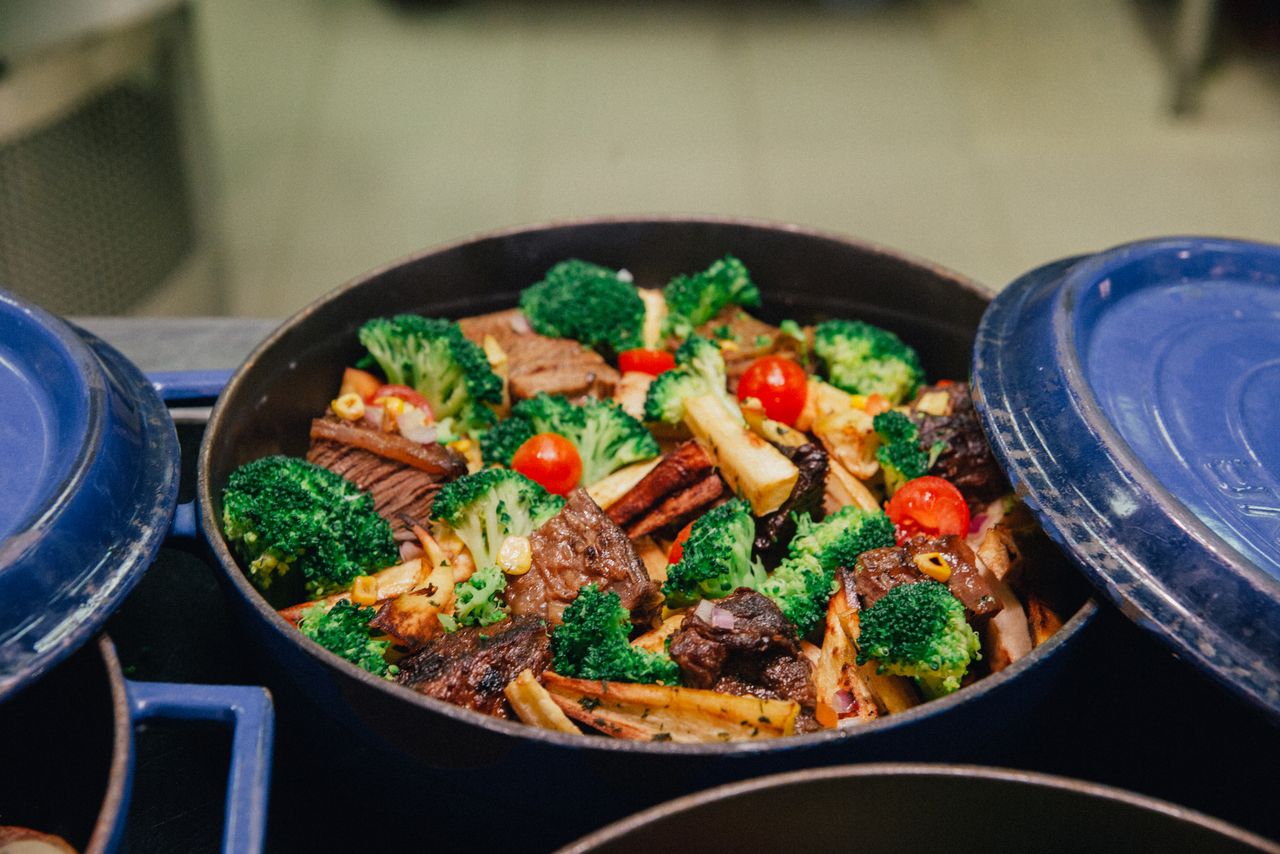
One-Pot Cooking
Combining ingredients in one pot saves time and reduces cleanup.
Prepare Ingredients in Advance
Small preparation steps can make healthy cooking much easier.
Helpful habits include:
- Washing vegetables ahead of time
- Cooking grains in batches
- Preparing protein portions
- Making simple sauces
- Organizing pantry items
Preparation reduces the temptation to choose less nutritious options when busy.
Focus on Flavor Without Heavy Ingredients
Healthy meals can still be enjoyable.
Instead of relying on excess salt, sugar, or heavy sauces, use:
- Fresh herbs
- Spices
- Garlic
- Lemon juice
- Vinegar
- Natural seasonings
Flavorful ingredients can make simple meals more satisfying.
Make Smart Food Swaps
Small substitutions can improve nutrition without changing meals completely.
Examples:
- Replace refined grains with whole grains
- Choose baked foods instead of heavily fried options
- Add extra vegetables to familiar dishes
- Use yogurt-based sauces instead of heavier alternatives
- Choose water or unsweetened drinks more often
Simple swaps can create healthier everyday habits.
Cook Flexible Meals
Flexible meals make healthy eating easier because they can adapt to available ingredients.
Examples include:
- Grain bowls
- Salads
- Wraps
- Soups
- Stir-fries
A basic meal structure can be changed with different vegetables, proteins, and seasonings.
Control Portions Without Strict Rules
Healthy eating is not only about what people eat but also how much.
Helpful approaches include:
- Eating slowly
- Paying attention to hunger signals
- Using balanced portions
- Avoiding unnecessary distractions while eating
A mindful approach can support better eating habits.
Make Healthy Breakfasts Simple
Breakfast can be nutritious without requiring complicated recipes.
Easy ideas include:
- Oatmeal with fruit and nuts
- Eggs with vegetables
- Yogurt with seeds and berries
- Whole-grain toast with healthy toppings
Simple breakfasts can provide energy for the day.
Create a Sustainable Cooking Routine
The best healthy cooking approach is one that fits daily life.
A realistic routine may include:
- Planning a few meals each week
- Keeping easy ingredients available
- Cooking extra portions
- Trying new foods gradually
- Allowing flexibility
Consistency is more important than creating perfect meals every day.
Common Healthy Cooking Mistakes to Avoid
Some common challenges include:
- Making recipes too complicated
- Buying ingredients that are rarely used
- Trying to change eating habits too quickly
- Focusing only on restrictions
- Ignoring personal preferences
Healthy cooking should be practical and enjoyable.
Cooking Healthy Meals on a Budget
Nutritious meals can be affordable.
Budget-friendly choices include:
- Beans and lentils
- Seasonal vegetables
- Frozen produce
- Whole grains
- Homemade meals
Planning ahead and reducing food waste can also lower costs.
The Role of Technology in Simple Cooking
Technology can make healthy cooking easier through:
- Meal planning apps
- Digital recipe collections
- Grocery organization tools
- Cooking tutorials
These resources can help people discover simple ideas and improve confidence in the kitchen.
Conclusion
Cooking healthy meals does not require complicated recipes or professional skills. By focusing on balanced ingredients, simple cooking methods, smart food choices, and practical routines, anyone can prepare nutritious meals at home.
The most effective approach is creating habits that are realistic, enjoyable, and easy to maintain over time.
Frequently Asked Questions
No. Basic cooking methods and simple meal combinations are enough to create nutritious food.


Was This Article Helpful?
Click on a star to rate it!
Thank you for your vote!

Average Rating: 0/5 Votes: 0
Be the first to rate this post!

Expert in backend development and database architecture. Specializes in building, optimizing, and maintaining scalable PHP applications, designing efficient database structures, and ensuring data integrity and performance. Experienced in working with relational databases, writing optimized queries, and integrating backend systems with APIs and business logic to support reliable, high-performance web solutions.
View LinkedIn ProfileLatest Posts

How Individuals Can Support Animal Protection: Simple Actions That Create Change

The Role of Consumers in Sustainability: How Everyday Choices Can Create Change

Human Rights Challenges in Conflict Zones: Protecting People During Crisis