Article Plan
Essential Cooking Skills Every Home Cook Should Learn
Cooking at home can be fun, rewarding, and healthier, but it helps to master a few essential skills first. Whether you’re a beginner or someone looking to level up, learning the basics can boost confidence, save time, and improve flavor in every meal.
Here’s a guide to key cooking skills every home cook should know.
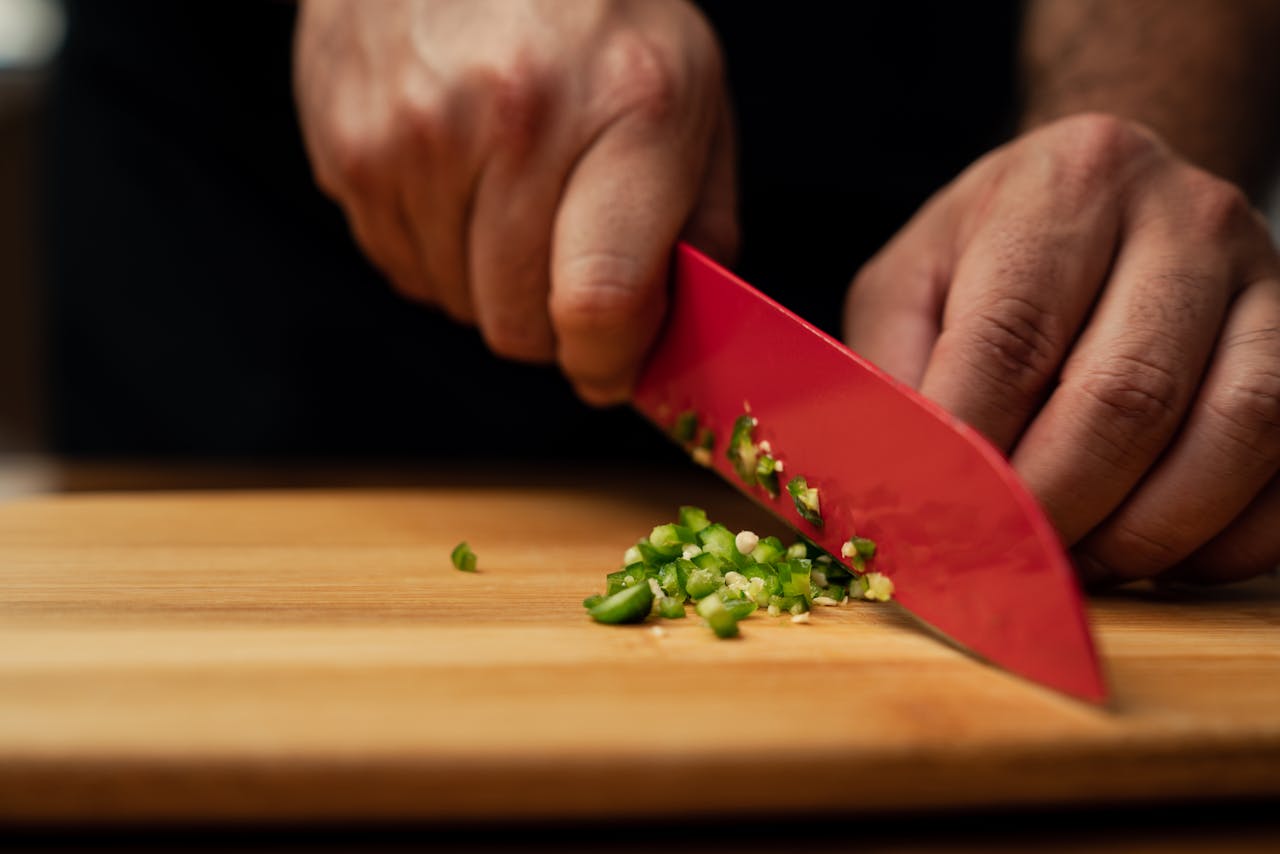
Knife Skills and Food Prep
Good knife skills are the foundation of efficient cooking:
- Chopping, dicing, and mincing: Practice uniform cuts for even cooking.
- Peeling and trimming: Save prep time and improve presentation.
- Knife safety: Keep knives sharp, use proper techniques, and focus on control.
Pro tip: A sharp knife is safer than a dull one, and consistent chopping ensures your food cooks evenly.
Mastering Basic Cooking Techniques
Learning core techniques lets you tackle almost any recipe:
- Sautéing: Quick cooking in a small amount of oil, perfect for vegetables, chicken, or shrimp.
- Boiling and simmering: Essential for pasta, grains, and soups.
- Roasting and baking: Ideal for meats, vegetables, and desserts.
- Grilling or pan-searing: Adds flavor and texture with minimal effort.
Mastering these methods gives you flexibility in the kitchen.
Table: Essential Cooking Skills
| Skill |
|
How to Practice
|
|
Knife Skills |
Efficiency, safety, even cooking |
Practice chopping vegetables and herbs daily |
|
Sautéing |
Quick, flavorful meals |
Cook vegetables or protein in a hot pan with oil |
|
Boiling & Simmering |
Prepare staples like pasta, grains, soups |
Learn to control water temperature and timing |
|
Roasting |
Enhance natural flavors |
Roast meats or vegetables with seasoning |
|
Seasoning |
Flavor enhancement |
Taste as you cook; balance salt, acid, and spices |
|
Food Storage |
Reduce waste, maintain freshness |
Learn proper refrigeration and freezing methods |
Understanding Seasoning and Flavor
Seasoning transforms ordinary dishes into delicious meals:
- Salt and acid: Balances flavors and enhances natural tastes.
- Herbs and spices: Introduce aroma, depth, and complexity.
- Tasting as you cook: Adjust seasoning gradually instead of waiting until the end.
Pro tip: Layer flavors gradually, it makes a big difference in the final dish.
Cooking Grains and Pasta Properly
Staples like rice, quinoa, and pasta are easy to overcook:
- Measure water and cooking time carefully.
- Use salt in the water to enhance flavor.
- Drain and rinse when necessary to prevent stickiness.
Perfect grains and pasta serve as the base for countless meals.
Protein Preparation and Cooking
Protein is central to many meals, and knowing how to cook it properly prevents dry or undercooked dishes:
- Learn proper cooking temperatures for meats, poultry, and seafood.
- Marinate or season before cooking for flavor and tenderness.
- Practice flipping, searing, and resting techniques for even results.
Pro tip: Rest meat after cooking, it keeps it juicy and flavorful.
Meal Planning and Ingredient Prep
Cooking efficiently starts before you step into the kitchen:
- Plan meals for the week and make a shopping list.
- Wash, chop, or marinate ingredients ahead of time.
- Store prepped ingredients in airtight containers to save time.
Meal prep ensures you cook faster and reduce stress during busy days.
Food Safety and Storage
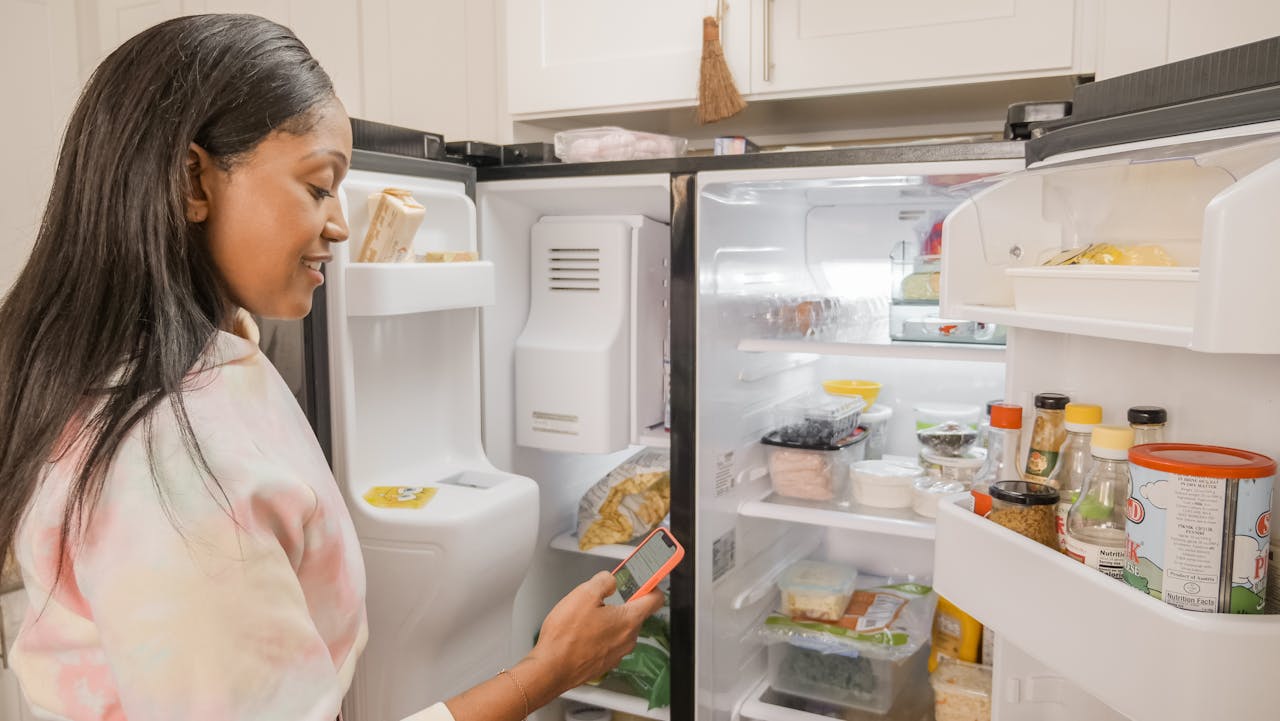
Proper food handling protects health:
- Wash hands and surfaces before cooking.
- Store perishable foods at the correct temperature.
- Avoid cross-contamination between raw and cooked foods.
- Learn proper freezing and thawing techniques.
Food safety prevents illness and keeps meals fresh longer.
Conclusion
Busy weeknights don’t have to mean takeout or unhealthy meals. With a few simple recipes and time-saving techniques, you can enjoy quick, delicious, and balanced dinners. The key is to plan, prep ingredients in advance, and embrace versatile dishes that cook fast.
The takeaway: simple ingredients, smart cooking techniques, and a little planning can make weeknight dinners both effortless and enjoyable.
FAQ: Essential Cooking Skills
Planning reduces stress, saves time, prevents food waste, and ensures balanced meals throughout the week.


Was This Article Helpful?
Click on a star to rate it!
Thank you for your vote!

Average Rating: 4.9/5 Votes: 46
Be the first to rate this post!

Proficient background in project planning, execution, and continuous improvement. Experienced in analyzing ideas and forecasting project success, defining requirements and timelines, and managing communication across cross-functional teams. Skilled in creating and maintaining project documentation, automating processes, and making data-driven decisions in critical situations.
View LinkedIn ProfileLatest Posts

How Individuals Can Support Animal Protection: Simple Actions That Create Change

The Role of Consumers in Sustainability: How Everyday Choices Can Create Change

Human Rights Challenges in Conflict Zones: Protecting People During Crisis