Career Mistakes to Avoid Early On
Starting a career can feel like stepping onto a moving train. There is a lot to learn, expectations are not always obvious, and mistakes are almost inevitable.
The goal isn't to avoid every mistake. It's to recognize common problems early and turn them into useful lessons.
Here are several career mistakes worth watching out for when you're just getting started.

Staying Too Comfortable
Your first job can feel like a safe place to settle. Once you've learned the routine, it may be tempting to stop challenging yourself.
But early career years can be a valuable time to experiment and build skills.
Volunteer for unfamiliar tasks, learn how other teams work, and look for opportunities to expand your responsibilities. You don't have to change jobs constantly, but you should keep learning.
Focusing Only on Your Job Title
A job title can look impressive on a resume, but titles vary widely between companies.
What you actually learn and accomplish can be much more valuable.
Pay attention to:
- Skills you develop
- Projects you complete
- Problems you solve
- Responsibilities you take on
- Results you achieve
These experiences can give you stronger evidence of your capabilities when you move forward.
Neglecting Professional Relationships
You don't need to become friends with everyone at work. But building respectful professional relationships can make your career easier to navigate.
Get to know colleagues, ask questions, offer help, and stay connected with people who have helped you learn.
Networking is not only something you do when you need a new job.
Being Afraid to Ask Questions
New employees sometimes avoid questions because they worry about looking inexperienced.
But pretending to understand something you don't understand can create bigger problems later.
Before asking, try to investigate the issue yourself. Then explain what you've already checked and ask a specific question.
This shows initiative while helping you learn faster.
Ignoring Feedback
Feedback can be uncomfortable, especially early in your career. However, useful feedback can reveal habits and weaknesses you may not notice yourself.
Instead of immediately defending your work, listen carefully and ask for examples when something is unclear.
|
Career Mistake |
Possible Consequence |
Better Approach |
|
Avoiding questions |
Repeated mistakes |
Ask clear, specific questions |
|
Ignoring feedback |
Slower development |
Turn feedback into action |
|
Staying too comfortable |
Limited skill growth |
Take on new challenges |
|
Poor time management |
Missed deadlines |
Prioritize and plan |
|
Burning professional bridges |
Fewer future opportunities |
Communicate respectfully |
Poor Time Management
Early-career professionals often say yes to everything because they want to prove themselves.
Being helpful is valuable, but taking on too much can lead to missed deadlines and lower-quality work.
Learn to prioritize. When several tasks compete for your attention, clarify deadlines and importance instead of assuming everything is urgent.
Treating Your Resume as an Afterthought
Your resume shouldn't be something you create from scratch every time you apply for a job.
Keep a record of important projects, achievements, new skills, certifications, and responsibilities as you gain them.
This makes future applications much easier and helps you recognize how much you've actually developed.
Avoiding Difficult Conversations
Professional communication isn't always comfortable.
You may need to discuss an unrealistic deadline, clarify unclear responsibilities, address a disagreement, or tell someone that you made a mistake.
Avoiding the conversation rarely makes the underlying issue disappear.
Be direct, respectful, and focused on the problem rather than the person.
Chasing Money Without Considering Growth
Salary is an important part of any job decision, but it isn't the only factor.
Early in your career, consider what a role can teach you, what responsibilities it offers, who you will work with, and whether the experience supports your longer-term goals.
That doesn't mean accepting poor conditions for the sake of "experience." It means considering the full picture.
Failing to Build a Financial Buffer
Career changes don't always happen according to plan. You may want to switch jobs, relocate, study, or deal with an unexpected period without work.
Developing basic financial habits early—such as tracking expenses and building savings—can give you more flexibility when professional circumstances change.
Comparing Your Career to Everyone Else's
One person gets promoted at 24. Another changes careers at 30. Someone else starts a business at 40.
Career paths rarely follow a single timeline.
Comparing your progress constantly can distract you from your own development. Focus on the skills, experience, and opportunities that make sense for your situation.
Conclusion
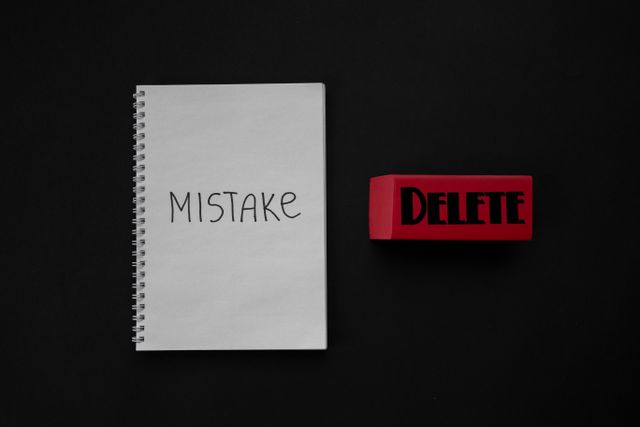
Early career mistakes are part of professional growth. You will make some decisions that don't work out, misunderstand expectations, and occasionally get things wrong.
What matters is what you do next.
Ask questions, accept useful feedback, build professional relationships, manage your time, document your achievements, and keep developing your skills. A career is built over many decisions—not one perfect first job.
Frequently Asked Questions
Salary is an important consideration, but factors such as learning opportunities, responsibilities, working conditions, professional development, and long-term goals can also matter.


Was This Article Helpful?
Click on a star to rate it!
Thank you for your vote!

Average Rating: 0/5 Votes: 0
Be the first to rate this post!

Strong engineering background in mobile and backend development. Focusing on building scalable products, improving development processes — from architecture and APIs to UX redesigns, monetization, and analytics. Responsible for applications with 1M+ downloads and multi-project ecosystems.
View LinkedIn ProfileLatest Posts
Career Mistakes to Avoid Early On

How to Stay Competitive in the Job Market

Job Search Tools Every Candidate Should Know