Influencer Marketing: Leveraging Influencers to Amplify Your Content Reach
Influencer marketing has emerged as a powerful strategy for brands to connect with their target audiences through trusted voices and personalities on social media. This article delves into the dynamics of influencer marketing, exploring how businesses can leverage influencers to amplify their content reach, enhance brand visibility, and foster authentic engagement with consumers.
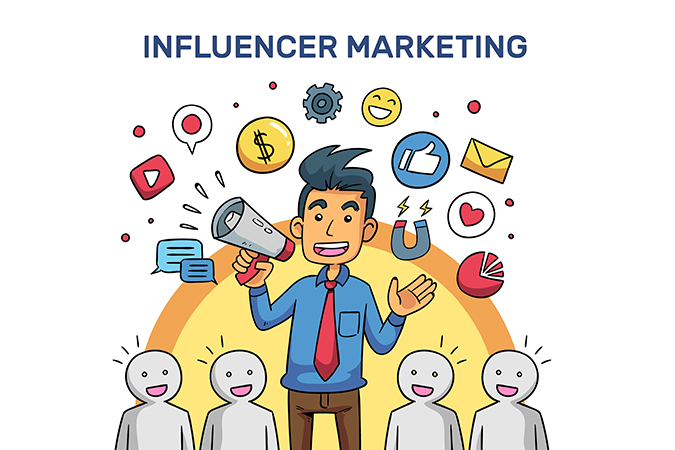

Understanding Influencer Marketing
1. Definition and Impact:
- Role of Influencers: Influencers are individuals who have built a loyal following on social media platforms, often based on their expertise, credibility, or charisma.
- Consumer Trust: Followers perceive influencers as authentic sources of recommendations, making influencer endorsements highly influential in purchasing decisions.
2. Types of Influencers:
- Micro-Influencers: Have smaller but highly engaged audiences within specific niches or local communities.
- Macro-Influencers: Have larger followings and broader reach, often spanning across multiple demographics and interests.
- Celebrities: Well-known figures with massive followings, offering extensive reach and brand association opportunities.
Benefits of Influencer Marketing
1. Expanded Reach and Engagement:
- Targeted Audiences: Influencers help brands reach specific demographics, interests, and geographic locations.
- Engagement Rates: Higher engagement due to the personal connection and trust influencers have with their followers.
2. Authenticity and Credibility:
- Native Content: Influencers integrate brand messages seamlessly into their content, maintaining authenticity and resonating with their audience.
- Peer Influence: Followers perceive recommendations from influencers as genuine, leading to increased brand trust and credibility.
Strategies for Leveraging Influencers
1. Identify Relevant Influencers:
- Audience Alignment: Choose influencers whose audience demographics and interests align with your brand's target market.
- Engagement Analysis: Assess influencers' engagement rates, content quality, and authenticity through metrics like likes, comments, and shares.
2. Collaborative Campaigns:
- Content Co-Creation: Work with influencers to develop engaging content that highlights your brand's value proposition or key messages.
- Giveaways and Contests: Host joint promotions, giveaways, or contests with influencers to boost engagement and attract new followers.
Execution and Measurement
1. Clear Objectives and KPIs:
- Goals: Define specific goals such as brand awareness, lead generation, or sales conversions.
- Key Performance Indicators (KPIs): Track metrics like reach, engagement, website traffic, and conversions to evaluate campaign success.
2. Relationship Building:
- Long-Term Partnerships: Nurture relationships with influencers for ongoing collaborations, ambassadorships, or loyalty programs.
- Feedback Loop: Seek feedback from influencers and monitor audience response to optimize future campaigns.
Compliance and Ethical Considerations
Disclosure and Transparency:
- FTC Guidelines: Ensure influencers disclose sponsored content or partnerships clearly to maintain transparency and comply with regulatory guidelines.
- Authenticity: Encourage genuine endorsements and avoid misleading or overly promotional content that could undermine trust.
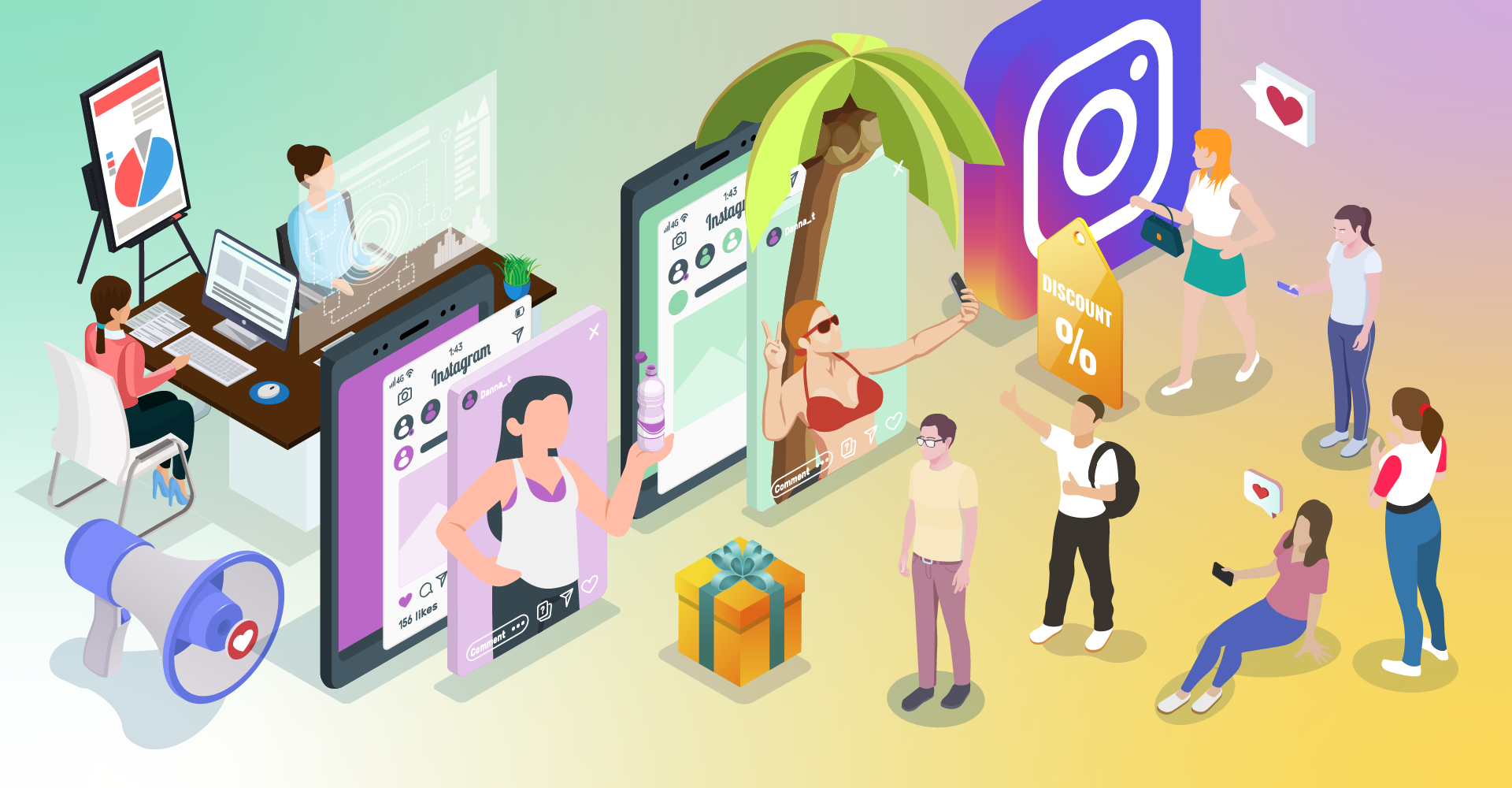
Influencer marketing presents a unique opportunity for brands to leverage the influence, credibility, and reach of social media personalities to enhance brand visibility and engage with target audiences authentically. By strategically identifying and collaborating with relevant influencers, businesses can amplify their content reach, drive engagement, and build lasting connections with consumers in today's digital landscape. Through thoughtful planning, genuine partnerships, and continuous evaluation of campaign performance, influencer marketing remains a potent tool for achieving marketing objectives and fostering meaningful brand-consumer relationships.


Was This Article Helpful?
Click on a star to rate it!
Thank you for your vote!

Average Rating: 4/5 Votes: 31
Be the first to rate this post!

Latest Posts

How Individuals Can Support Animal Protection: Simple Actions That Create Change

The Role of Consumers in Sustainability: How Everyday Choices Can Create Change

Human Rights Challenges in Conflict Zones: Protecting People During Crisis