Long-Term Investing vs Short-Term Trading
If you're looking to grow your wealth, you've probably come across two popular strategies: long-term investing and short-term trading. While both involve buying and selling financial assets, they differ significantly in terms of goals, risk, time commitment, and potential returns.
So, which approach is better? The answer depends on your financial goals, risk tolerance, and lifestyle. Let's compare both strategies to help you understand their strengths and challenges.
What Is Long-Term Investing?
Long-term investing involves buying assets such as stocks, exchange-traded funds (ETFs), mutual funds, or bonds and holding them for several years or even decades.
The idea is simple: invest in quality assets, allow them to grow over time, and benefit from long-term market appreciation and compound returns.
Long-term investors typically focus on:
- Company fundamentals
- Business growth
- Diversification
- Consistent contributions
- Long-term financial goals
Instead of reacting to daily market movements, they remain focused on the bigger picture.
What Is Short-Term Trading?
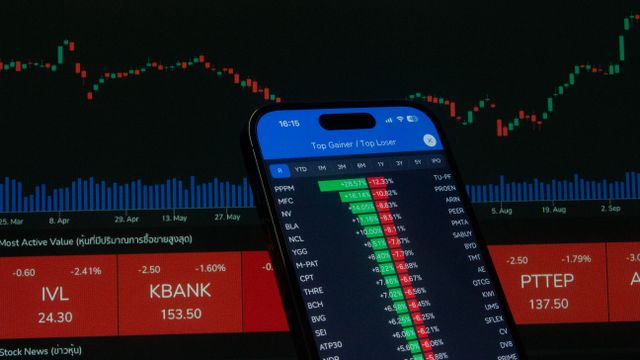
Short-term trading involves buying and selling financial assets over shorter periods, ranging from minutes and hours to days or weeks.
Traders aim to profit from short-term price movements rather than long-term business growth.
Common trading styles include:
- Day trading
- Swing trading
- Position trading
- Momentum trading
Successful traders often rely on technical analysis, market news, price charts, and trading indicators to make decisions.
Key Differences Between Investing and Trading
Although both strategies involve financial markets, they require different mindsets and skills.
|
Feature |
Long-Term Investing |
Short-Term Trading |
|
Holding Period |
Years or decades |
Minutes to weeks |
|
Primary Goal |
Long-term wealth growth |
Short-term profits |
|
Risk Level |
Generally moderate |
Often higher |
|
Time Commitment |
Low |
High |
|
Decision Basis |
Company fundamentals |
Price movements and market trends |
|
Transaction Frequency |
Infrequent |
Frequent |
Understanding these differences can help you choose the strategy that aligns with your financial objectives.
Advantages of Long-Term Investing
Long-term investing offers several benefits that make it appealing for many individuals.
Some of the biggest advantages include:
- Potential for compound growth over time
- Lower transaction costs due to fewer trades
- Less emotional decision-making
- Reduced need to monitor markets constantly
- Easier portfolio management
By staying invested through market ups and downs, investors often benefit from the overall growth of the economy over the long run.
Benefits of Short-Term Trading
Short-term trading can also be rewarding for those who have the knowledge, discipline, and time to actively manage their positions.
Potential advantages include:
- Opportunities to profit in rising and falling markets
- Faster realization of gains or losses
- Frequent trading opportunities
- Flexibility to respond to market events quickly
However, these benefits often come with greater risks and require continuous learning and market monitoring.
Risks to Consider
No investment strategy is risk-free.
Long-term investors may experience market downturns, economic recessions, or periods of slow growth. Patience is essential during these times.
Short-term traders face additional challenges, including:
- High market volatility
- Emotional decision-making
- Frequent transaction fees
- Greater exposure to sudden price swings
- The possibility of significant losses from poorly timed trades
Managing risk is critical regardless of the strategy you choose.
Which Strategy Is Right for You?
Choosing between investing and trading depends on several personal factors.
Long-term investing may be suitable if you:
- Have long-term financial goals
- Prefer a lower-maintenance approach
- Are comfortable waiting for returns
- Want to build wealth steadily
Short-term trading may be more appropriate if you:
- Enjoy analyzing financial markets
- Can dedicate time each day to monitoring trades
- Understand technical analysis
- Are comfortable with higher levels of risk
Some people even combine both strategies by maintaining a long-term investment portfolio while allocating a smaller portion of their capital to active trading.
Tips for Success
Regardless of your approach, consider these best practices:
- Set clear financial goals.
- Diversify your portfolio.
- Continue learning about financial markets.
- Avoid making emotional decisions.
- Review your strategy regularly.
- Never invest more than you can afford to lose.
A disciplined plan is often more valuable than trying to predict every market movement.

Conclusion
Long-term investing and short-term trading both offer opportunities to grow your money, but they serve different purposes. Long-term investing focuses on patience, steady growth, and building wealth over time, while short-term trading seeks to capitalize on market fluctuations through active buying and selling.
The right choice depends on your goals, experience, available time, and risk tolerance. By understanding the strengths and challenges of each strategy, you can make informed financial decisions that support your long-term success.
Frequently Asked Questions
Yes. Many people maintain a long-term investment portfolio while using a smaller portion of their capital for short-term trading opportunities.


Was This Article Helpful?
Click on a star to rate it!
Thank you for your vote!

Average Rating: 0/5 Votes: 0
Be the first to rate this post!

Strong engineering background in mobile and backend development. Focusing on building scalable products, improving development processes — from architecture and APIs to UX redesigns, monetization, and analytics. Responsible for applications with 1M+ downloads and multi-project ecosystems.
View LinkedIn ProfileLatest Posts

Gaming Gadgets for Enthusiasts

Disruptive Technologies Reshaping Markets

The Rise of Software-Defined Cars