How Economic Trends Influence Investment Markets
Investment markets can sometimes seem unpredictable. Prices rise, fall, and change direction based on everything from interest rates to employment data and consumer spending.
While no economic trend can perfectly predict what markets will do next, understanding the relationship between the economy and investments can help you make sense of market movements.
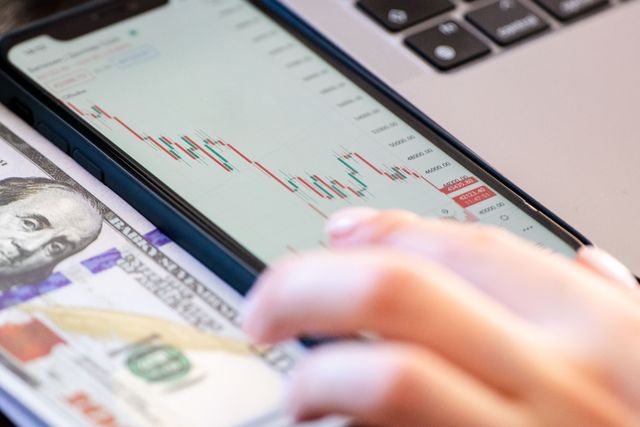
What Are Economic Trends?
Economic trends are broad changes in economic activity over time. They can affect businesses, consumers, governments, and financial markets.
Some of the most important indicators include:
- Inflation
- Interest rates
- Economic growth
- Employment
- Consumer spending
- Government policy
- Currency movements
These factors are connected. A change in one area can create effects elsewhere, much like pulling one thread in a tightly connected web.
Inflation Can Affect Investment Returns
Inflation means that prices for goods and services are generally increasing over time. When inflation rises, consumers may have less purchasing power, while businesses can face higher costs.
For investors, inflation can influence both asset prices and real returns.
For example, companies that cannot pass higher costs to customers may experience pressure on profit margins. Meanwhile, assets with returns that do not keep pace with inflation may become less attractive.
Interest Rates Influence Borrowing and Investing
Central banks use interest rates as one of their main tools for influencing economic activity.
When interest rates rise, borrowing generally becomes more expensive. Businesses may delay expansion, consumers may reduce borrowing, and investors may reassess the relative attractiveness of different assets.
When rates fall, borrowing can become cheaper, potentially supporting business investment and consumer spending.
|
Economic Trend |
Potential Market Effect |
What Investors Often Watch |
|
Rising inflation |
Higher costs and changing expectations |
Consumer prices, company margins |
|
Higher interest rates |
More expensive borrowing |
Central bank decisions, bond yields |
|
Economic growth |
Potentially stronger business activity |
GDP, earnings |
|
Rising unemployment |
Weaker consumer demand may occur |
Employment reports |
|
Currency changes |
Affects international revenues and costs |
Exchange rates |
|
Strong consumer spending |
May support company revenues |
Retail and consumption data |
Economic Growth Can Support Businesses
When an economy grows, companies may see stronger demand for their products and services. Higher revenues can potentially support business investment and earnings.
However, economic growth does not affect every industry equally.
For example, companies selling discretionary products may respond differently to changing consumer demand than businesses providing essential goods or services.
This is why investors often look beyond headline GDP figures and examine individual industries and companies.
Employment Affects Consumer Demand
Employment is another important economic signal. When more people have stable incomes, consumer spending can increase.
Higher spending can support businesses, particularly those that depend heavily on household consumption.
On the other hand, rising unemployment can put pressure on household budgets. Businesses may then experience weaker demand, which can affect their financial performance and potentially investor expectations.
Government and Central Bank Policies Matter
Economic policy can have significant effects on financial markets.
Central banks influence borrowing conditions through monetary policy, while governments can affect economic activity through taxation, spending, regulation, and other measures.
Markets can also react to expectations. Investors do not necessarily wait for a policy change to happen. If they believe a major change is coming, asset prices may respond beforehand.
Global Events Can Change Market Expectations
Modern economies are closely connected. A disruption in one major economy can affect companies and markets elsewhere.
Trade changes, geopolitical events, energy-price movements, supply-chain disruptions, and currency fluctuations can all influence investment markets.
For investors with international exposure, these developments can be particularly relevant.
Economic Trends Don't Tell the Whole Story
It is tempting to look at one economic indicator and assume it explains where markets are heading. In reality, investment markets respond to many factors at once.
Company earnings, investor expectations, valuations, market sentiment, technological developments, and unexpected events can all influence prices.
The same economic trend can even affect different assets in different ways.
Conclusion
Economic trends provide important context for understanding investment markets. Inflation, interest rates, economic growth, employment, government policy, and global developments can all influence how investors value assets and assess opportunities.
Still, economic indicators are not crystal balls. They are pieces of a much larger puzzle. Understanding how they interact can help investors interpret market movements without relying on a single headline or data point.
Frequently Asked Questions
Economic data can provide useful context, but it should be considered alongside investment objectives, risk tolerance, asset valuations, and other relevant information.


Was This Article Helpful?
Click on a star to rate it!
Thank you for your vote!

Average Rating: 0/5 Votes: 0
Be the first to rate this post!

Strong engineering background in mobile and backend development. Focusing on building scalable products, improving development processes — from architecture and APIs to UX redesigns, monetization, and analytics. Responsible for applications with 1M+ downloads and multi-project ecosystems.
View LinkedIn ProfileLatest Posts

Common Personal Finance Mistakes to Avoid

SEO Content Strategies That Rank Higher
How Economic Trends Influence Investment Markets