The Role of Technology in Visual Arts: Transforming Creativity and Expression
Technology has dramatically changed the world of visual arts by introducing new tools, techniques, and ways for artists to create and share their work. From digital painting and virtual reality experiences to artificial intelligence and online galleries, technology has expanded the possibilities of artistic expression.
Today, artists are not limited to traditional materials. Digital tools allow them to experiment with new forms, reach global audiences, and combine creativity with innovation.
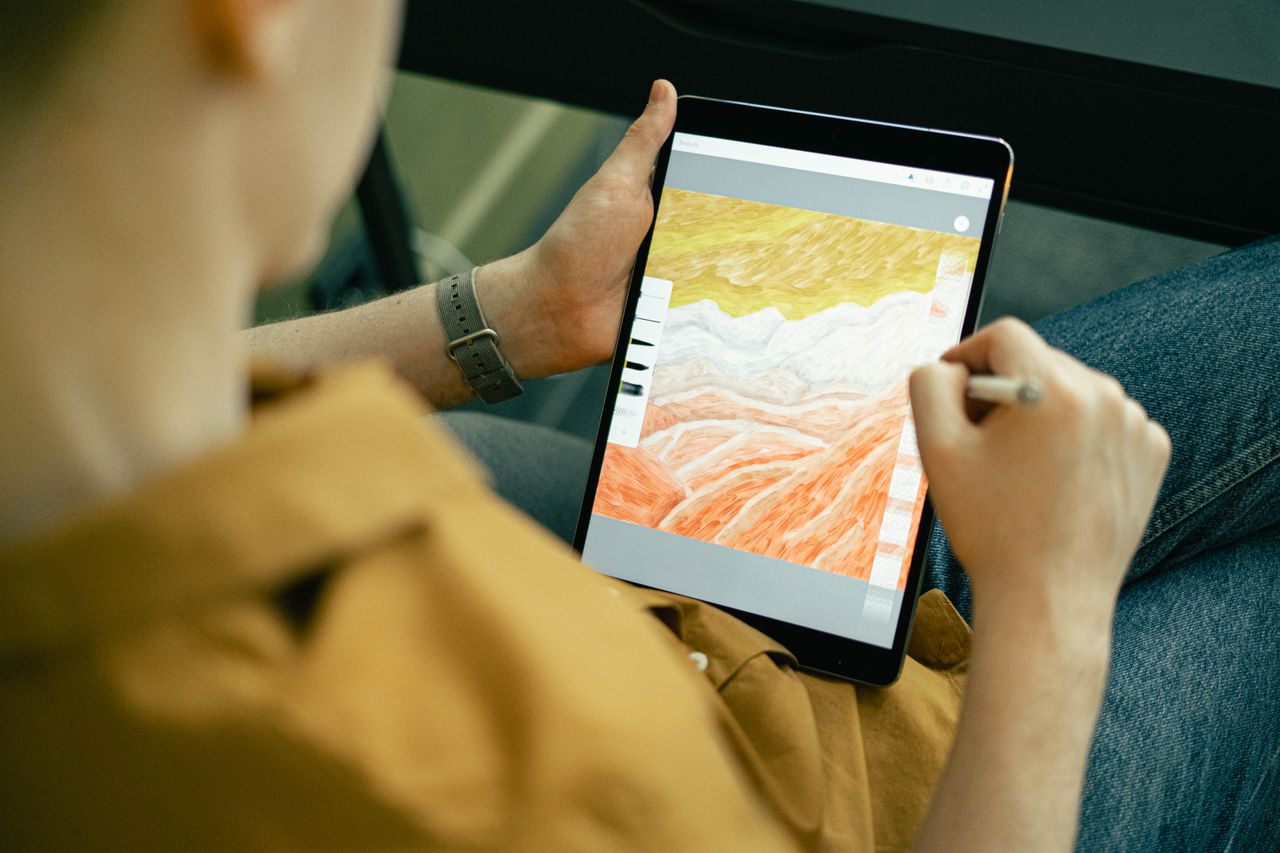
What Is Technology in Visual Arts?
Technology in visual arts refers to the use of digital tools and advanced technologies to create, display, and experience artwork.
Examples include:
- Digital illustration software
- 3D modeling tools
- Artificial intelligence art tools
- Virtual and augmented reality
- Digital photography
- Interactive installations
These technologies provide artists with new methods of storytelling and creative exploration.
Digital Art and Illustration
Digital art has become one of the most popular forms of technology-based creativity.
Artists use digital tools for:
- Painting
- Drawing
- Animation
- Graphic design
- Image editing
Digital platforms allow artists to experiment with colors, textures, and techniques without the limitations of traditional materials.
Artificial Intelligence and Creative Tools
Artificial intelligence is introducing new possibilities in the creative process.
AI tools can help artists with:
- Generating visual concepts
- Exploring design ideas
- Creating artistic variations
- Enhancing images
- Automating repetitive tasks
Many artists use AI as a creative assistant, combining human imagination with technological capabilities.
3D Modeling and Digital Sculpting
Technology has transformed sculpture and design through 3D tools.
Artists can now create:
- Digital sculptures
- Virtual environments
- Character designs
- Architectural visualizations
3D modeling allows creators to test ideas and build complex forms before producing physical versions.
|
Technology |
Application in Visual Arts |
Creative Impact |
|
Digital painting tools |
Illustration and design |
Expands artistic techniques |
|
AI systems |
Concept creation and experimentation |
Encourages new creative approaches |
|
Virtual reality |
Immersive artworks |
Creates interactive experiences |
|
3D modeling |
Digital sculpture and design |
Enables complex visual creations |
|
Digital platforms |
Artwork sharing and sales |
Connects artists with global audiences |
Virtual Reality and Immersive Art
Virtual reality (VR) is changing how people experience art.
VR allows viewers to:
- Enter digital environments
- Explore artworks from different perspectives
- Interact with virtual spaces
Instead of simply observing art, audiences can become part of the artistic experience.
Augmented Reality in Art
Augmented reality (AR) combines digital elements with the real world.
Artists use AR to create:
- Interactive exhibitions
- Digital artwork overlays
- Public art experiences
- Educational installations
AR allows traditional spaces to become dynamic creative environments.
Digital Photography and Image Creation
Technology has transformed photography by making advanced tools widely available.
Modern photography benefits from:
- High-resolution cameras
- Smartphone technology
- Digital editing software
- Computational photography
Photographers can now capture, modify, and share images faster than ever before.
Online Platforms and Global Exposure
The internet has changed how artists present their work.
Digital platforms allow artists to:
- Build online portfolios
- Sell artwork globally
- Connect with collectors
- Join creative communities
Artists no longer depend only on traditional galleries to reach audiences.
Interactive and Generative Art
Technology has enabled new forms of interactive artwork.
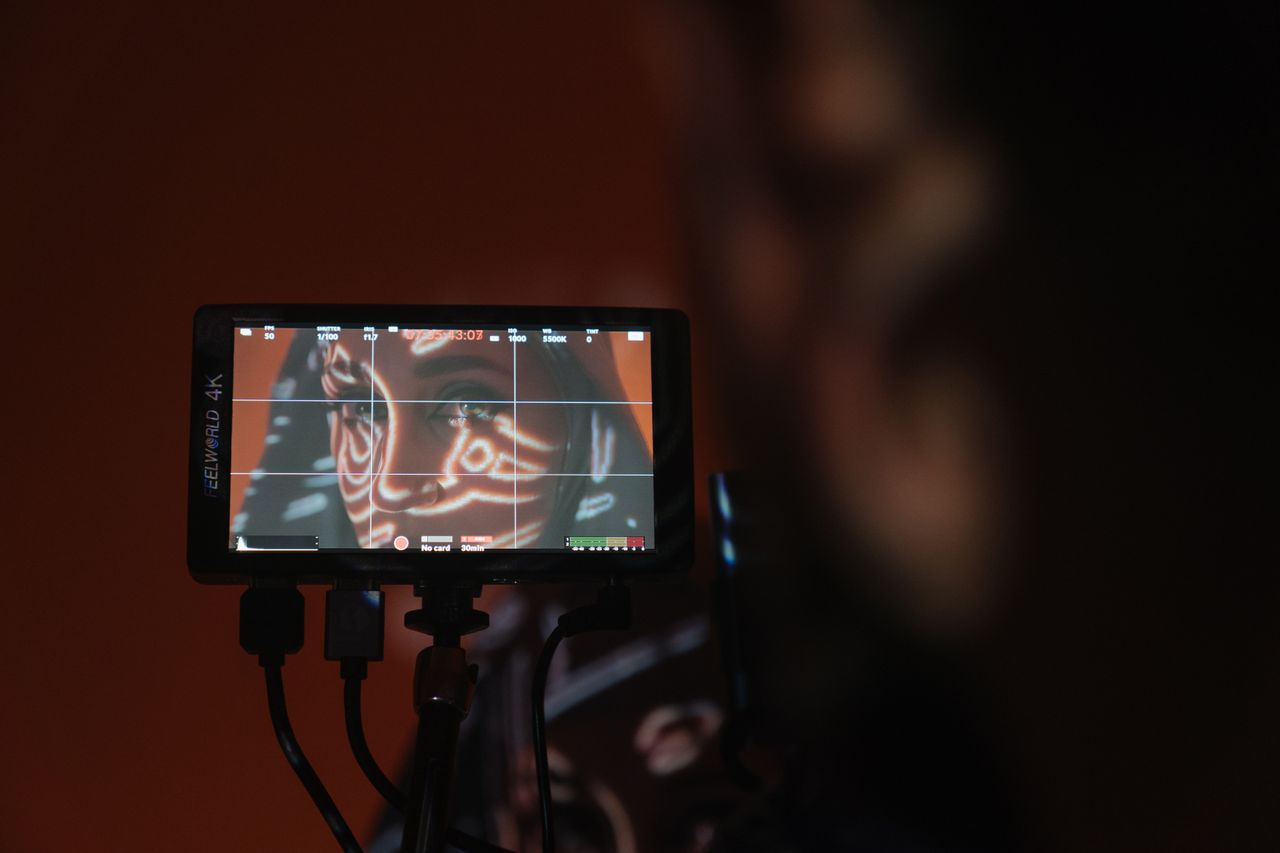
Generative art uses algorithms and data to create changing visual experiences.
Interactive art may respond to:
- Viewer movement
- Sound
- Touch
- Environmental changes
These works create a relationship between the artwork and the audience.
Benefits of Technology in Visual Arts
Technology provides many advantages for artists and audiences.
Greater Creative Freedom
Artists can explore techniques that were previously impossible.
Wider Accessibility
Digital tools allow more people to participate in artistic creation.
Global Reach
Online platforms help artists share work with international audiences.
New Forms of Expression
Technology creates entirely new categories of visual experiences.
Challenges of Technology in Visual Arts
While technology creates opportunities, it also presents challenges.
Important issues include:
- Copyright and ownership concerns
- Questions about AI-generated artwork
- Digital skill requirements
- Dependence on technology
- Preservation of digital artworks
Artists and institutions continue to explore ways to balance innovation with artistic authenticity.
The Relationship Between Traditional and Digital Art
Technology does not replace traditional art methods—it expands them.
Many artists combine:
- Painting with digital editing
- Sculpture with 3D printing
- Photography with computer-generated elements
- Traditional techniques with interactive technology
The future of visual arts will likely include both traditional craftsmanship and digital innovation.
The Future of Technology in Visual Arts
Future developments may include:
- More advanced AI creative tools
- Fully immersive virtual exhibitions
- Interactive public artworks
- Real-time digital collaboration
- New forms of digital ownership
As technology evolves, artists will continue finding new ways to express ideas and connect with audiences.
Conclusion
Technology has transformed visual arts by expanding creative possibilities and changing how artwork is created, experienced, and shared. Digital tools, artificial intelligence, virtual reality, and online platforms have opened new opportunities for artists around the world.
Rather than replacing human creativity, technology acts as a powerful extension of artistic expression. The future of visual arts will continue to be shaped by the collaboration between imagination, skill, and innovation.
Frequently Asked Questions
The future will likely include more AI-assisted creativity, immersive experiences, and combinations of traditional and digital techniques.


Was This Article Helpful?
Click on a star to rate it!
Thank you for your vote!

Average Rating: 0/5 Votes: 0
Be the first to rate this post!

Tech entrepreneur & digital strategist with over 9 years of experience in backend development and more than 5 years in executive leadership. Education Software and Web developer. More than 20 years of experience in software and web development.
View LinkedIn ProfileLatest Posts

How Individuals Can Support Animal Protection: Simple Actions That Create Change

The Role of Consumers in Sustainability: How Everyday Choices Can Create Change

Human Rights Challenges in Conflict Zones: Protecting People During Crisis