Salvador Dalí: Exploring the Surreal World of the Eccentric Spanish Artist
Salvador Dalí is a name that conjures images of melting clocks, dreamlike landscapes, and a uniquely eccentric personality. As one of the most significant figures in the Surrealist movement, Dalí’s work goes beyond mere art; it delves into the subconscious, challenging viewers to confront their dreams, fears, and desires. Let’s explore the life and legacy of this fascinating artist, uncovering the elements that define his surreal world.
The Early Years: A Whimsical Beginning
A Childhood Influenced by Art
Born on May 11, 1904, in Figueres, Spain, Dalí showed artistic talent from a young age. His mother encouraged his creativity, introducing him to the world of painting. By the time he was just 17, he had already enrolled at the Royal Academy of Fine Arts in Madrid, where he experimented with various styles, from Impressionism to Cubism.
The Formation of Surrealism
Dalí's early exposure to the works of Freudian theory and the burgeoning Surrealist movement shaped his artistic direction. In the 1920s, he became associated with Surrealism, collaborating with figures like André Breton and René Magritte. His iconic style emerged, characterized by dreamlike scenes and bizarre imagery, which he often claimed were inspired by his own dreams and subconscious thoughts.
Signature Works: A Journey into the Subconscious
The Persistence of Memory
Perhaps Dalí's most famous painting, The Persistence of Memory (1931), features melting clocks draped over a desolate landscape. This work challenges traditional perceptions of time and reality, suggesting that time is fluid and subjective. The painting's eerie quality invites viewers to contemplate the nature of existence and memory.
The Elephants and Other Iconic Imagery
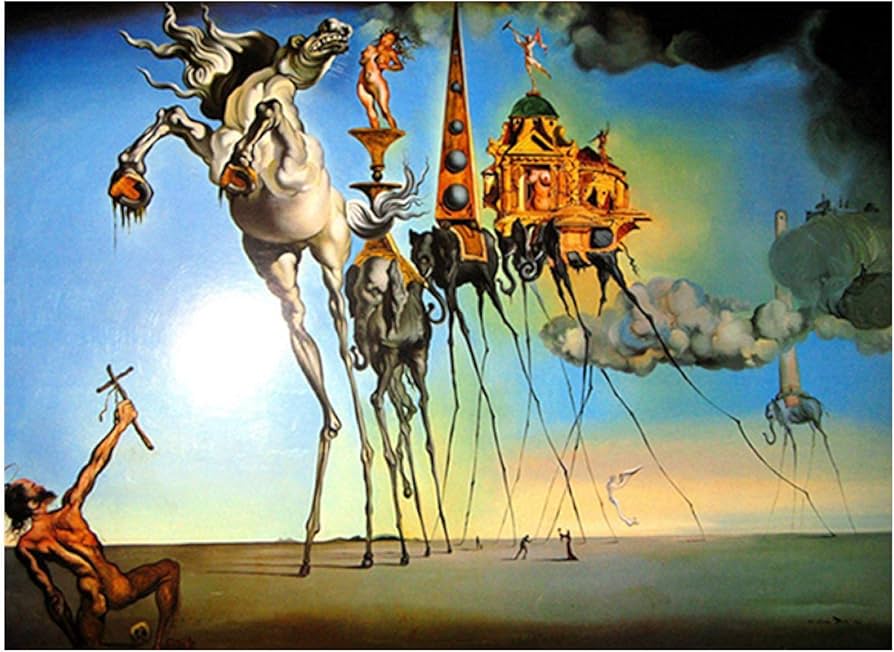
Dalí’s works often include recurring motifs, such as elephants with elongated legs, which symbolize strength and fragility. Other notable pieces like The Sacrament of the Last Supper and The Great Masturbator further exemplify his fascination with the human psyche, sexuality, and religious symbolism.
Film and Performance
Dalí didn’t confine his creativity to canvas. His collaboration with filmmaker Luis Buñuel on Un Chien Andalou (1929) exemplifies his avant-garde approach to film, blending shocking imagery with surreal narratives. His theatrical performances, complete with extravagant costumes and flamboyant behavior, further showcased his desire to challenge societal norms.
The Eccentric Persona: More than Just an Artist
Dalí’s Unique Style
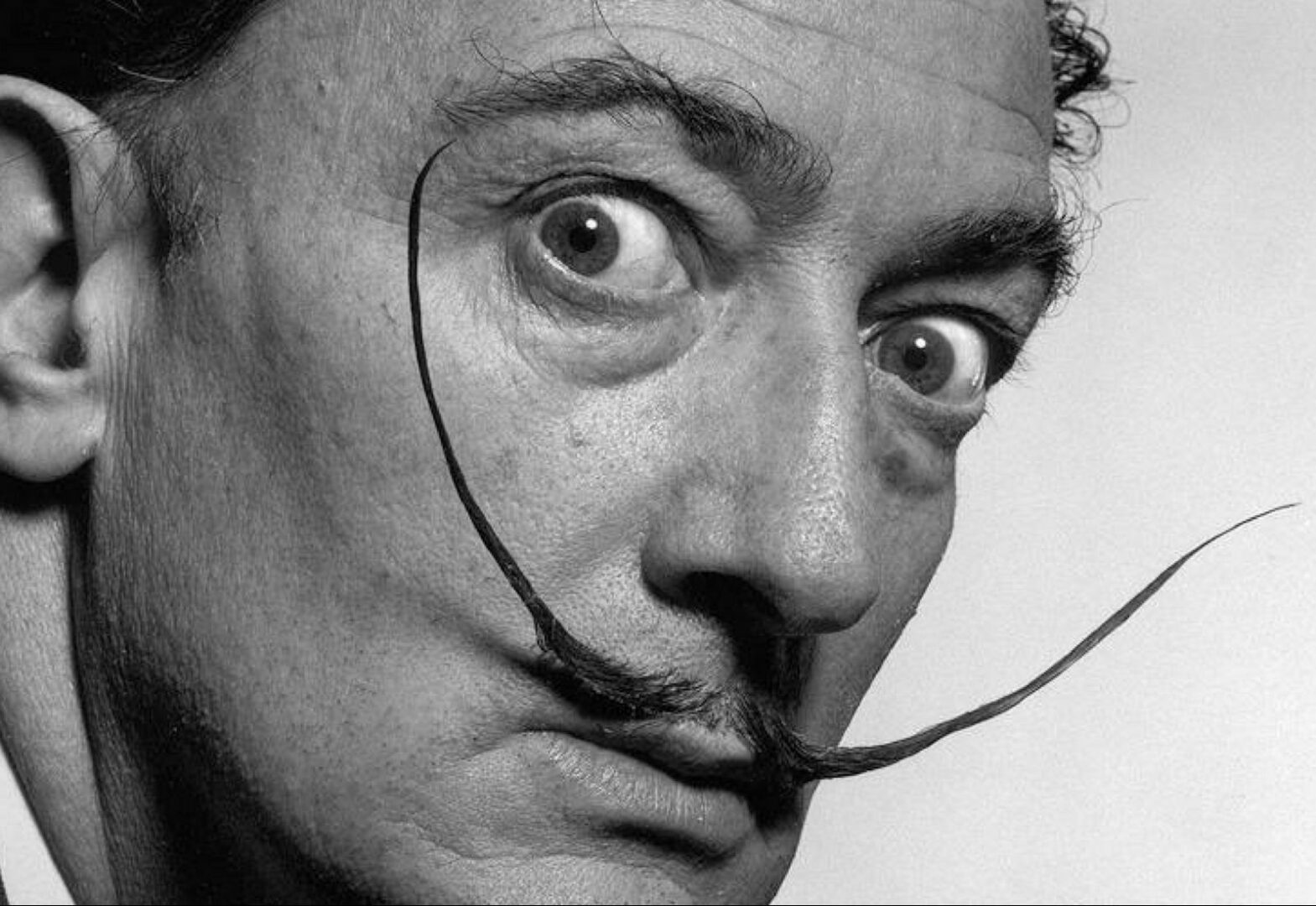
Dalí was not only an artist but a true showman. Known for his distinctive mustache and flamboyant attire, he cultivated an eccentric persona that became part of his brand. His outlandish behavior—such as making bizarre public appearances—ensured that he was as much a part of popular culture as his artwork.
The Power of Marketing
Dalí was a master of self-promotion. He understood the importance of media and public perception, often using sensationalism to generate interest in his work. His interviews and writings, filled with grandiose claims and whimsical anecdotes, contributed to the myth of the “mad genius” that surrounded him.
Legacy and Influence: The Enduring Impact of Dalí
Surrealism’s Continued Relevance
Dalí’s work continues to influence artists, filmmakers, and writers. His exploration of dreams and the unconscious paved the way for contemporary artists who seek to challenge reality through their own unique lenses. The Surrealist movement, though it has evolved, still resonates in modern art and popular culture.
Dalí in Popular Culture
Dalí’s imagery has permeated various aspects of popular culture, from fashion to music. His paintings have inspired countless adaptations, and his eccentric persona is often referenced in films, literature, and even advertising campaigns. The Dalí Museum in St. Petersburg, Florida, houses an extensive collection of his work, ensuring that new generations can experience his genius.
Conclusion: Embracing the Surreal
Salvador Dalí was not just an artist; he was a visionary who dared to explore the boundaries of reality and the depths of the human mind. His contributions to Surrealism, coupled with his flamboyant personality, have left an indelible mark on the art world. By embracing the bizarre and the dreamlike, Dalí invited us to question our perceptions and delve into our subconscious. As we continue to explore his surreal world, we discover that art is not merely about representation; it’s a journey into the depths of imagination and the intricacies of the human experience.


Was This Article Helpful?
Click on a star to rate it!
Thank you for your vote!

Average Rating: 4.5/5 Votes: 50
Be the first to rate this post!

Latest Posts

How Individuals Can Support Animal Protection: Simple Actions That Create Change

The Role of Consumers in Sustainability: How Everyday Choices Can Create Change

Human Rights Challenges in Conflict Zones: Protecting People During Crisis